Tackling plumbing problems in your home can seem daunting, but mastering the basics can empower you to handle minor repairs and installations with confidence. Whether fixing a leaky faucet or installing a new sink, understanding fundamental plumbing concepts is key to DIY success. This guide delves into essential plumbing skills and knowledge, offering you a solid foundation to manage residential plumbing tasks effectively.
Understanding Your Home’s Plumbing System
Before diving into repairs, it’s crucial to understand the layout of your home’s plumbing system. Typically, residential plumbing involves two main subsystems: the water supply system and the drainage system.
The Water Supply System
This system brings fresh water into your home and is pressurized to ensure water reaches all fixtures. Key components include:
– **Main Water Line**: The primary pipe that brings water from the municipal supply or a private well into your home.
– **Shut-Off Valves**: Found near fixtures and the main water line, these valves allow you to stop the water flow during repairs.
– **Pipes and Fittings**: Typically made of copper, PEX, or CPVC, these transport water throughout your home.
The Drain-Waste-Vent (DWV) System
This system removes wastewater from your home and vents sewer gases. Components include:
– **Drain Pipes**: Carry wastewater to the sewer or septic system.
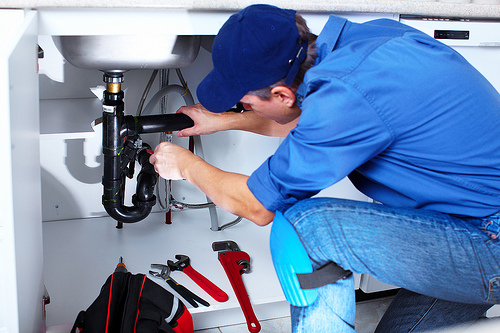
– **Traps**: U-shaped pipes under sinks that prevent sewer gases from entering your home while allowing wastewater to flow out.
– **Vent Pipes**: Extend through your roof to release sewer gases and maintain proper air pressure in the drainage system.
Essential Tools for DIY Plumbing
Having the right tools is half the battle in any DIY project. Here are some must-have plumbing tools for your toolkit:
– **Pipe Wrench**: Essential for gripping and turning pipes.
– **Adjustable Wrench**: Useful for various nuts and bolts.
– **Plunger**: Indispensable for unclogging toilets and drains.
– **Plumber’s Tape (Teflon Tape)**: Used to seal pipe threads and prevent leaks.
– **Pipe Cutter**: For cutting copper or plastic pipes.
– **Basin Wrench**: Designed for reaching nuts under sinks.
– **Plumber’s Snake**: A flexible auger for clearing clogs in pipes.
Basic Plumbing Skills
Once equipped with the right tools, mastering these basic skills will enhance your DIY plumbing capabilities:
1. Turning Off the Water Supply
Before starting any plumbing work, always shut off the water supply to the affected area. Locate the nearest shut-off valve or the main shut-off valve for your home.
2. Fixing Leaky Faucets
A leaky faucet not only wastes water but can also increase your utility bill. Most leaks are caused by worn-out washers or O-rings. Replacing these components is often a straightforward fix.
3. Unclogging Drains
Clogged drains are common and can usually be cleared with a plunger or plumber’s snake. For stubborn clogs, consider using a chemical drain cleaner or disassembling the trap to remove debris.
4. Replacing a Showerhead
Upgrading your showerhead is a simple project that can significantly enhance your shower experience. Unscrew the old showerhead, apply plumber’s tape to the threads, and screw on the new one.
5. Repairing Toilet Issues
Common toilet problems include running water, weak flushes, and clogs. Often, these issues can be resolved by replacing the flapper or adjusting the float level in the tank.
Safety Precautions
While DIY plumbing can be rewarding, safety should always be a priority:
– **Wear Protective Gear**: Use gloves and goggles to protect against chemicals and debris.
– **Follow Local Codes**: Ensure your work complies with local plumbing codes to avoid potential issues.
– **Know Your Limits**: Some tasks, such as gas line repairs, should be left to professionals.
Understanding Common Plumbing Materials
Choosing the right materials is crucial for successful plumbing repairs and installations. Here’s a look at some common materials:
Pipes
– **Copper**: Durable and resistant to corrosion, often used for water supply lines.
– **PEX**: Flexible and easy to install, increasingly popular for both hot and cold water lines.
– **PVC**: Common for drain lines due to its resistance to chemicals and affordability.
Fittings
– **Elbows**: Used to change the direction of pipes.
– **Couplings**: Connect pipes of the same diameter.
– **Adapters**: Transition between different pipe types or sizes.
Planning and Permits
For larger projects, such as installing a new bathroom or kitchen, proper planning is key:
– **Blueprints**: Create a detailed plan that includes the layout of pipes and fixtures.
– **Permits**: Check with local authorities to determine if a permit is required for your project.
When to Call a Professional
While many plumbing tasks are DIY-friendly, some situations warrant professional intervention:
– **Major Leaks or Flooding**: Immediate professional assistance is essential to prevent extensive damage.
– **Water Heater Issues**: Due to complexity and safety concerns, repairs are best handled by a licensed plumber.
– **Sewer Line Problems**: These require specialized equipment and expertise to resolve effectively.
Conclusion
Mastering the basics of residential plumbing can save you time, money, and frustration. By understanding your home’s plumbing system, acquiring the right tools, and developing essential skills, you can tackle a variety of DIY projects with confidence. Remember, while DIY plumbing can be empowering, it’s important to know your limits and seek professional help when necessary. With this foundational knowledge, you’re well on your way to becoming a capable DIY plumber, ready to handle the challenges of home maintenance and improvement.
