
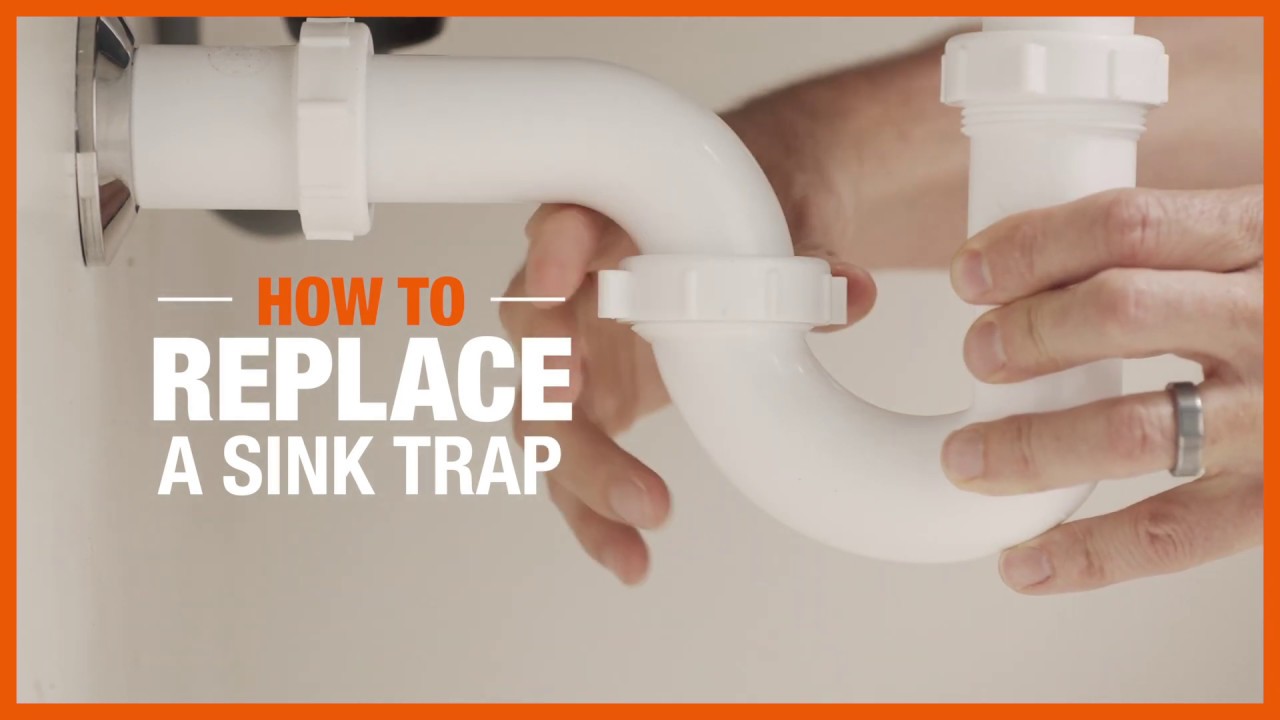
Installing a sink trap is a fundamental task in plumbing, yet it can pose challenges even for seasoned DIY enthusiasts. The sink trap serves a critical function by preventing sewer gases from entering the home while allowing wastewater to flow out. This article provides a comprehensive guide to mastering sink trap installation, with expert tips and tricks that ensure a successful and efficient setup.
Understanding the Components of a Sink Trap
Before diving into the installation process, it’s essential to understand the main components of a sink trap. The primary parts include:
– **P-trap**: The P-trap is the curved section of pipe located beneath the sink. It holds a small amount of water to block sewer gases.
– **Tailpiece**: This is the vertical pipe that connects to the sink drain.
– **Trap arm**: This horizontal pipe connects the P-trap to the waste outlet in the wall.
– **Slip nuts and washers**: These are used to connect the pipes securely and ensure a watertight seal.
Types of Sink Traps
Sink traps come in various types and materials, each with specific applications:
– **PVC traps**: Lightweight and easy to install, PVC is suitable for most residential applications.
– **Chrome traps**: Ideal for exposed plumbing in bathrooms where aesthetics are a concern.
– **Brass traps**: Durable and corrosion-resistant, often used in high-quality installations.
– **Flexible traps**: Useful in tight spaces where traditional traps may not fit.
Preparing for Installation
Proper preparation is key to a successful sink trap installation. Here’s what you need to do before starting:
Gather Necessary Tools and Materials
Ensure you have all the required tools and materials on hand:
– Pipe wrench or adjustable pliers
– Hacksaw (for cutting pipes)
– Measuring tape
– Plumber’s tape
– Bucket or container (to catch water when disconnecting old pipes)
– New sink trap kit
Turn Off the Water Supply
Before beginning any plumbing work, turn off the water supply to the sink. This prevents any accidental leaks or flooding during the installation process.
Remove the Old Sink Trap
If you’re replacing an old sink trap, place a bucket underneath to catch any residual water. Carefully unscrew the slip nuts using a pipe wrench or pliers, and remove the old trap.
Steps to Install a New Sink Trap
With your preparations complete, you’re ready to install the new sink trap. Follow these steps for a smooth installation:
Measure and Cut the Pipes
Measure the distance from the sink’s tailpiece to the waste outlet in the wall. Cut the tailpiece or trap arm to the correct length if necessary, using a hacksaw. Ensure the cuts are straight for a proper fit.
Assemble the P-trap
Start by assembling the P-trap. Attach the trap bend to the trap arm, ensuring the curved section faces downward. Secure the connection with a slip nut and washer, but don’t tighten it fully yet.
Connect the Tailpiece
Attach the tailpiece to the sink drain, using a slip nut and washer for a secure connection. The tailpiece should extend down to about one inch above the trap bend.
Install the Trap Arm
Insert the trap arm into the waste outlet in the wall. Make sure it’s aligned properly and secure it with a slip nut and washer. Adjust the length as necessary for a snug fit.
Make Final Adjustments and Tighten
With all components loosely connected, make final adjustments to ensure proper alignment. Once everything is in place, tighten all the slip nuts using a pipe wrench or pliers. Be careful not to overtighten, as this can damage the washers and cause leaks.
Testing the Installation
With the sink trap installed, it’s crucial to test it for leaks and ensure everything is functioning correctly.
Turn On the Water Supply
Slowly turn on the water supply to the sink. Check for any leaks at the slip nut connections. If you notice any drips, carefully tighten the connections until the leaks stop.
Check for Proper Drainage
Allow the water to run for a few minutes and observe the drainage. Ensure the water flows smoothly through the trap without any signs of blockage or slow draining.
Expert Tips & Tricks for a Perfect Installation
Even with a straightforward process, there are tips and tricks that can make sink trap installation even more successful:
Use Plumber’s Tape
Applying plumber’s tape to the threads of the slip nuts can enhance the seal and reduce the risk of leaks. Wrap the tape clockwise to ensure it stays in place during tightening.
Inspect for Corrosion or Damage
Before installing a new trap, inspect the existing pipes and connections for any signs of corrosion or damage. Address any issues to prevent future leaks or failures.
Consider Venting Requirements
Proper venting is crucial for effective drainage. Ensure the sink trap is adequately vented to prevent siphoning and ensure smooth water flow.
Use Flexible Traps for Tight Spaces
In situations with limited space, consider using flexible traps. They can be easily adjusted to fit awkward angles and tight spots without compromising function.
Conclusion
Mastering the installation of a sink trap is a valuable skill for any homeowner or DIY enthusiast. By understanding the components, preparing adequately, and following a structured installation process, you can ensure your sink trap functions efficiently and effectively. With the expert tips and tricks provided, your next sink trap installation will be a seamless and successful endeavor, keeping your plumbing system in top shape.
