
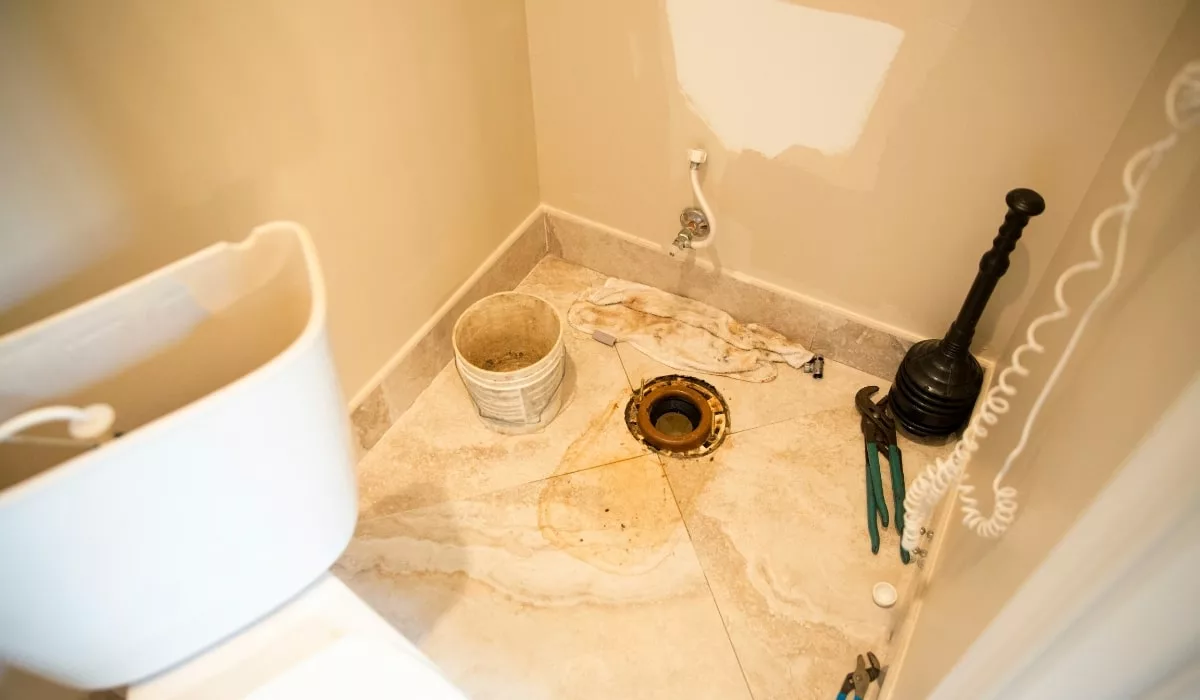
A leaking toilet can be both an annoyance and a source of significant water waste. Learning how to identify and repair toilet leaks not only saves you money on water bills but also helps preserve the environment. In this article, we will discuss expert tips and tricks for effectively diagnosing and repairing toilet leaks in your bathroom.
Understanding Toilet Leaks
Common Causes of Toilet Leaks
Toilet leaks can originate from various sources, each requiring a different approach to repair. Understanding the common causes is essential in effective troubleshooting. Some of the most frequent sources include:
- Faulty flapper
- Worn-out fill valve
- Cracks in the tank or bowl
- Loose or damaged gaskets and seals
- Improper installation
Signs of a Leaking Toilet
Detecting a leaking toilet early can prevent more extensive repairs. Look for these signs to identify a potential leak:
- Constantly running water sound
- Unexplained increase in water bills
- Water pooling around the base of the toilet
- Mold or mildew growth near the toilet
- Stains on the ceiling below the bathroom
Diagnosing the Leak
The Dye Test
One of the simplest ways to check for a toilet leak is the dye test. Here’s how you perform it:
- Remove the toilet tank lid.
- Add a few drops of food coloring or a dye tablet to the water in the tank.
- Wait for about 15-20 minutes without flushing.
- Check the toilet bowl for any colored water. If you see dye in the bowl, there’s a leak between the tank and bowl.
Inspecting the Flapper
A faulty flapper is a common cause of toilet leaks. To inspect it:
- Turn off the water supply to the toilet.
- Flush the toilet to drain most of the water from the tank.
- Remove the flapper from the bottom of the tank where it covers the flush valve.
- Check for any cracks, warping, or mineral deposits on the flapper.
Repairing Common Toilet Leaks
Replacing a Faulty Flapper
If the flapper is the issue, replacing it is a straightforward process:
- Purchase a replacement flapper that matches your toilet model.
- Turn off the water supply and flush the toilet to empty the tank.
- Remove the old flapper and install the new one, ensuring it seats properly over the flush valve.
- Reconnect the flapper chain to the flush handle lever, leaving a little slack.
- Turn the water back on and test the toilet by flushing it.
Adjusting or Replacing the Fill Valve
A fill valve that won’t shut off can cause the toilet to leak. Follow these steps to adjust or replace it:
- Turn off the water supply and flush the toilet.
- Locate the fill valve on the left side of the tank and inspect it for wear or damage.
- If adjustment is needed, follow the manufacturer’s instructions to raise or lower the float.
- If replacement is necessary, unscrew the old fill valve and install a new one, ensuring it’s properly sealed.
- Reconnect the water supply and test the system.
Fixing Leaks at the Base
Leaks at the base of the toilet are typically due to a worn-out wax ring. Here’s how to replace it:
- Turn off the water supply and flush the toilet to empty the tank and bowl.
- Disconnect the water supply line and remove the nuts securing the toilet to the floor.
- Carefully lift the toilet off the floor and set it aside.
- Remove the old wax ring and clean the flange area thoroughly.
- Place a new wax ring on the flange and reposition the toilet over the bolts.
- Press down firmly to compress the wax ring, then reattach the nuts and reconnect the water supply.
- Turn the water back on and check for leaks as you flush the toilet.
Repairing Cracks in the Tank or Bowl
Hairline cracks in the tank or bowl can cause leaks. Small cracks can often be repaired with a waterproof epoxy:
- Drain the tank and dry the cracked area thoroughly.
- Apply the epoxy over the crack, following the manufacturer’s instructions.
- Allow the epoxy to cure completely before refilling the tank with water.
- Test for leaks by observing the repaired area during several flush cycles.
Preventative Measures
Regular Maintenance
Regular maintenance can prevent many toilet leaks. Here’s what you can do:
- Inspect the flapper and fill valve every six months for signs of wear.
- Check for leaks around the base periodically.
- Keep the toilet tank clean to prevent mineral buildup.
Water Softener Installation
Installing a water softener can help prevent mineral deposits that lead to valve and seal wear. This is particularly useful in areas with hard water.
When to Call a Professional
While many toilet leaks can be repaired by a homeowner, some situations require professional intervention. Call a plumber if:
- You’re unable to identify the source of the leak.
- The toilet has multiple leaks or significant water damage is evident.
- You encounter persistent leaks after performing repairs.
Conclusion
Mastering the repair of toilet leaks can save you money and reduce water waste. By understanding the common causes and solutions, you can tackle most leaks with confidence. Regular maintenance and timely repairs will ensure your toilet remains in excellent working condition, but don’t hesitate to call a professional for complex issues. With these expert tips and tricks, you’re well-equipped to handle toilet leak repairs like a pro.
