Water leaks in the home can lead to significant damage and costly repairs if not addressed promptly. Detecting leaks efficiently not only helps in conserving water but also plays a vital role in maintaining the structural integrity of your home. This article aims to provide an in-depth understanding of water leak detection and offer practical solutions to enhance home efficiency.
Understanding the Importance of Water Leak Detection
Water is a precious resource, and its wastage due to leaks can have both environmental and economic impacts. Undetected leaks can lead to mold growth, structural damage, and increased utility bills. Moreover, water damage can decrease the value of your property and pose health risks due to mold and mildew. Therefore, mastering water leak detection is crucial for any homeowner.
The Environmental Impact
Water leaks contribute to unnecessary water wastage. According to the Environmental Protection Agency (EPA), household leaks can waste nearly 10,000 gallons of water annually. By detecting and fixing leaks, we can conserve water and ensure its availability for future generations.
The Financial Implications
Undetected leaks can significantly increase your water bills. Moreover, the cost of repairing water damage can be substantial, depending on the extent of the damage. Early detection can prevent these financial burdens.
Common Sources of Water Leaks
Identifying potential sources of leaks in your home is the first step in effective water leak detection. Common sources include:
Faucets and Fixtures
Leaking faucets and fixtures are common culprits of water wastage. Dripping faucets, in particular, can waste a significant amount of water over time. Regularly check for drips and address any issues promptly.
Toilets
Toilet leaks often go unnoticed but can waste hundreds of gallons of water daily. A simple test using food coloring can help detect toilet leaks. Add a few drops of food coloring to the toilet tank, and if the color appears in the bowl after a few minutes, a leak is present.
Water Heaters
Water heaters can develop leaks over time due to corrosion or faulty connections. Regular inspection of the water heater and surrounding area can help detect leaks early.
Pipes and Plumbing
Leaking pipes are a common source of water damage. Inspect visible pipes regularly for signs of moisture or corrosion. Pay attention to areas under sinks, behind toilets, and in basements where leaks may be more prevalent.
Advanced Water Leak Detection Techniques
While visual inspections are helpful, advanced techniques can enhance leak detection capabilities:
Water Meter Check
Your water meter can be an invaluable tool in detecting leaks. Begin by turning off all water sources in your home. Check the water meter reading, wait for a few hours without using any water, and then check the reading again. If the meter reading changes, it indicates a leak.
Infrared Thermography
Infrared thermography is a non-invasive technique that uses thermal imaging cameras to detect temperature differences caused by moisture. This method can identify leaks behind walls and under floors without causing any damage to your property.
Acoustic Leak Detection
Acoustic leak detection involves using specialized equipment to listen for the sound of water escaping from pipes. This technique is particularly effective for detecting underground leaks or those in hard-to-reach areas.
DIY Water Leak Detection Tips
Homeowners can take proactive measures to detect water leaks on their own:
Regular Inspections
Conduct regular inspections of all plumbing fixtures, appliances, and visible pipes. Look for signs of moisture, corrosion, or unusual water stains.
Monitor Water Bills
Keep track of your monthly water bills. An unexplained increase in water usage can indicate a hidden leak.
Use Leak Detection Devices
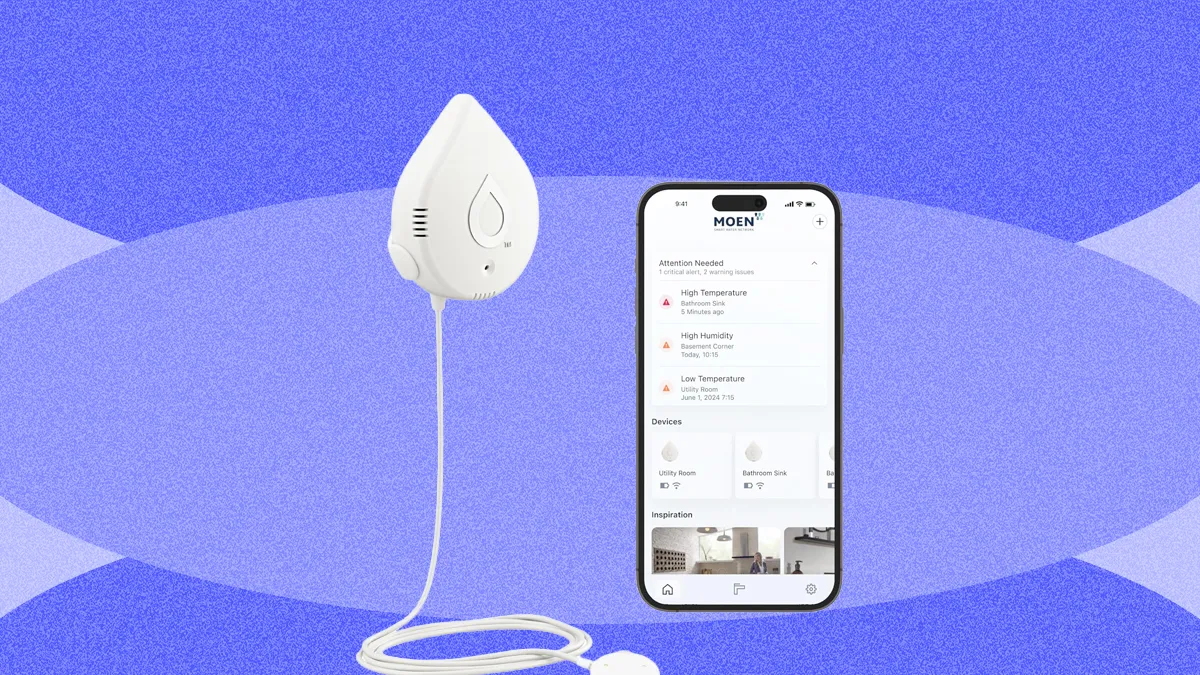
Invest in leak detection devices that can alert you to the presence of leaks. These devices are available in various forms, including sensors that can be placed near potential leak sources and smart water shut-off systems that can automatically stop water flow in case of a leak.
Addressing Detected Leaks
Once a leak is detected, addressing it promptly is crucial to prevent further damage:
DIY Repairs
For minor leaks, homeowners can often perform repairs themselves. Replace worn-out washers in faucets, tighten loose connections, or apply pipe sealant to small leaks.
Professional Assistance
For more significant leaks or those involving complex plumbing systems, it is advisable to seek professional assistance. Licensed plumbers have the expertise and equipment to address complex issues effectively.
Preventing Future Leaks
Preventive measures can help minimize the risk of future leaks:
Regular Maintenance
Schedule regular maintenance for your plumbing system. This includes inspecting and maintaining water heaters, checking for signs of wear and tear, and ensuring all connections are secure.
Install Pressure Regulators
High water pressure can strain pipes and increase the risk of leaks. Installing a pressure regulator can help maintain a safe pressure level throughout your plumbing system.
Insulate Pipes
Insulating pipes, especially those located in unheated areas, can prevent them from freezing and bursting during colder months.
Conclusion
Mastering water leak detection is essential for every homeowner aiming to enhance home efficiency and protect their property. By understanding the common sources of leaks, employing advanced detection techniques, and taking proactive measures, you can prevent water damage and reduce water wastage. Regular maintenance and prompt repairs are crucial in ensuring the longevity and efficiency of your home’s plumbing system. Embrace these practices to safeguard your home and contribute to water conservation efforts.
