
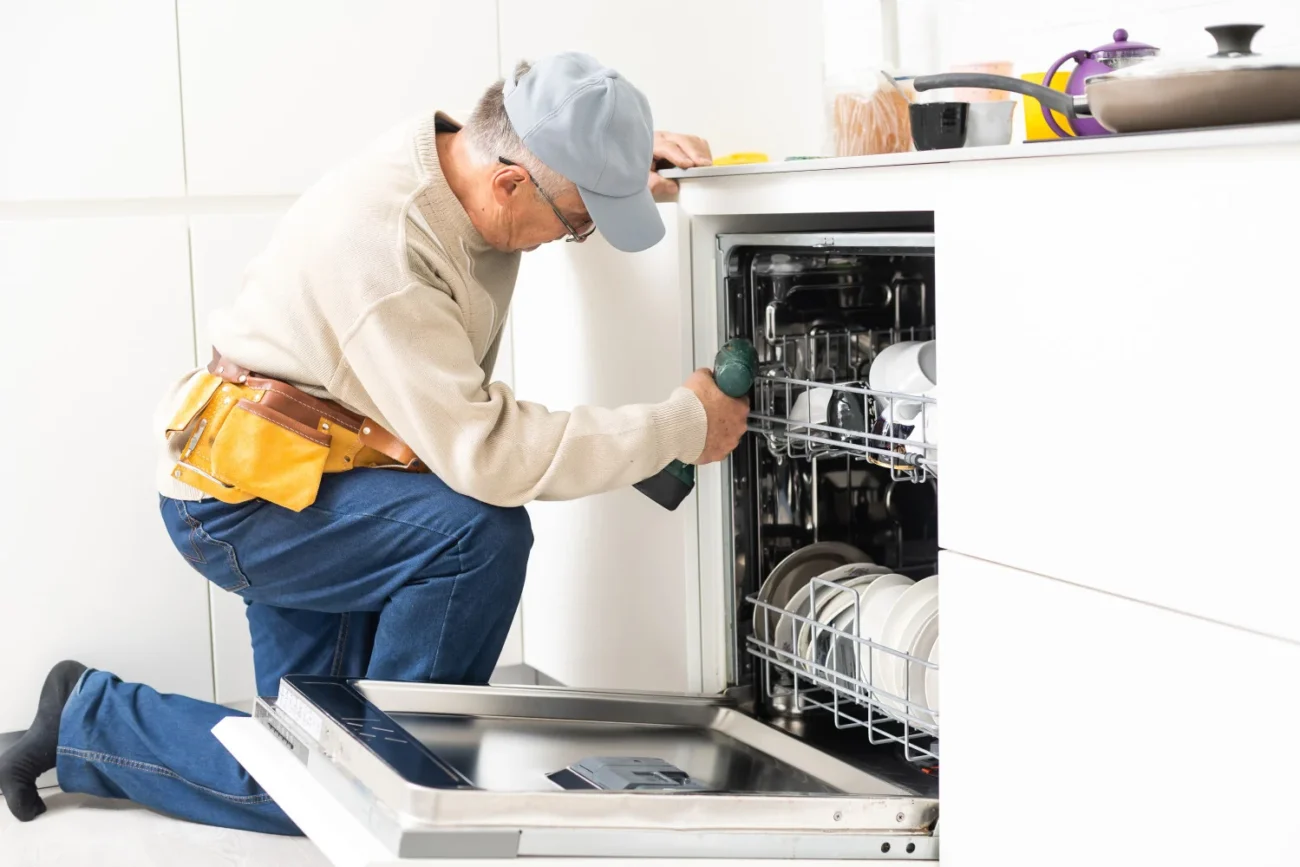
Dishwashers have become an essential appliance in modern kitchens, offering convenience and efficiency in handling daily chores. However, the successful installation and maintenance of a dishwasher depend heavily on mastering its plumbing. This guide provides expert tips to ensure your dishwasher functions optimally, avoiding common plumbing pitfalls that could lead to costly repairs or replacements.
Understanding the Basics of Dishwasher Plumbing
Before diving into the installation process, it’s crucial to understand the key components involved in dishwasher plumbing. A typical dishwasher plumbing system includes the water supply line, the drainage system, and the electrical connections. Familiarizing yourself with these components will facilitate a smoother installation and help diagnose any potential issues in the future.
Water Supply Line
The water supply line connects the dishwasher to your home’s water supply. It’s usually a flexible copper or braided stainless steel tube that ensures the appliance receives the necessary water to operate. When installing, ensure that the line is free from kinks and securely attached to prevent leaks.
Drainage System
The drainage system is responsible for removing wastewater from the dishwasher. It typically involves a drain hose that connects to the sink’s drain or a dedicated drain line. Proper installation is crucial to prevent backflow and ensure efficient draining.
Electrical Connections
Electrical connections power the dishwasher, allowing it to operate efficiently. It’s important to ensure that your dishwasher is properly grounded and connected to a suitable power source to prevent electrical hazards.
Pre-Installation Considerations
Assessing the Space
Before installing a dishwasher, assess the space where it will be placed. Ensure there is adequate room for the appliance and that it can be easily connected to the necessary plumbing and electrical sources. Consider the dimensions of the dishwasher and the layout of your kitchen to avoid any installation issues.
Checking Local Plumbing Codes
It’s essential to check local plumbing codes and regulations before proceeding with the installation. Compliance with these codes ensures safety and efficiency, and may prevent potential legal issues if you plan to sell your home in the future.
Installation Process
Step 1: Connecting the Water Supply
Start by shutting off the main water supply to prevent flooding. Attach the water supply line to the dishwasher’s inlet valve, ensuring a secure fit. Use plumber’s tape for a tight seal and turn the water back on to check for leaks.
Step 2: Setting Up the Drainage System
Connect the dishwasher’s drain hose to either the sink drain or a dedicated drain line. Ensure the hose is elevated in a loop to prevent wastewater from flowing back into the dishwasher. Secure the connection with clamps to prevent leaks.
Step 3: Electrical Connections
Before making electrical connections, ensure the power source is turned off. Connect the dishwasher to the electrical supply according to the manufacturer’s instructions. It’s advisable to hire a certified electrician if you’re not familiar with electrical work.
Post-Installation Tips
Testing the Dishwasher
Once the installation is complete, run a test cycle to ensure everything is functioning correctly. Check for leaks or unusual noises during the cycle, which might indicate a problem with the installation.
Maintaining Your Dishwasher
Regular maintenance of your dishwasher will prolong its lifespan and efficiency. Clean the filter and spray arms regularly, and inspect the hoses for any signs of wear or damage. Using a dishwasher cleaner periodically can also help remove buildup and odors.
Common Issues and Troubleshooting
Leaking Water
If you notice water leaking from your dishwasher, check the door seal for damage or debris. Ensure all connections, including the water supply and drain hose, are secure and not leaking.
Poor Drainage
Poor drainage can result from a clogged drain hose or filter. Inspect these components and clear any blockages to restore proper drainage. Ensure the drain hose is installed correctly, with the necessary loop to prevent backflow.
No Power
If your dishwasher fails to power on, check the electrical connections and ensure the appliance is properly plugged in. Verify that the circuit breaker hasn’t tripped and that there’s a consistent power supply.
Conclusion
Mastering dishwasher plumbing requires a combination of understanding the system’s components, adhering to local codes, and following a precise installation process. By taking the time to install your dishwasher correctly and performing regular maintenance, you can enjoy the benefits of this essential kitchen appliance without the hassle of frequent repairs. Remember, when in doubt, consulting with a professional plumber or electrician can save you time and prevent costly mistakes.
