When it comes to home repairs, few things are as daunting as plumbing issues. However, mastering plumbing diagnosis can equip you with the skills to handle minor problems quickly and efficiently. This article provides expert tips for diagnosing and fixing common plumbing issues, empowering you to take control of your home’s plumbing system.
Understanding the Basics of Plumbing
Before diving into specific problems, it’s essential to understand the basics of plumbing. Your home’s plumbing system is an intricate network of pipes, drains, and fixtures designed to deliver clean water and remove waste. Familiarizing yourself with the layout and components of your plumbing system is the first step in effective diagnosis.
Common Plumbing Issues and Their Symptoms
Leaky Faucets
A dripping faucet is more than just an annoyance; it can also lead to higher water bills. Typically, a leaky faucet is caused by a worn-out washer or O-ring. The key symptom is a continuous drip, even when the tap is fully closed.
Slow Draining Sink
When water drains slowly from your sink, it’s usually due to a blockage in the pipe. This can be caused by hair, soap, or other debris. If left unaddressed, it can lead to more serious clogs.
Clogged Toilets
A toilet that doesn’t flush properly or overflows is a sign of a clog. This is often due to an obstruction in the pipes or a malfunctioning flapper valve.
Low Water Pressure
Low water pressure can affect your daily activities, such as showering and washing dishes. It can be caused by various factors, including pipe corrosion, leaks, or blockages.
Water Heater Issues
Problems with your water heater can result in no hot water, water that is too hot, or strange noises. These issues can stem from a faulty thermostat, sediment buildup, or a failing heating element.
Expert Tips for Quick Fixes
Fixing a Leaky Faucet
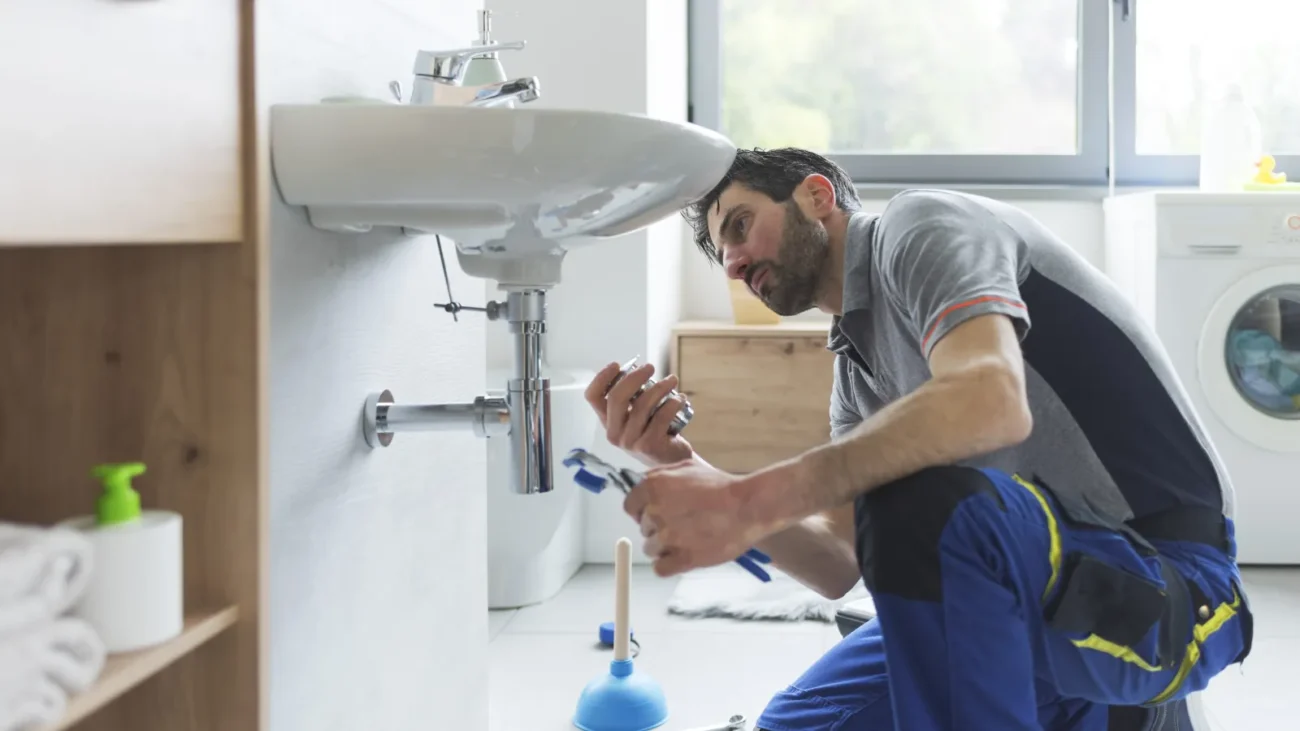
To fix a leaky faucet, start by turning off the water supply. Remove the handle and use a wrench to take out the packing nut. Replace the worn-out washer or O-ring with a new one. Reassemble the faucet and turn the water supply back on to test your fix.
Clearing a Slow Draining Sink
Use a plunger to dislodge minor clogs. For stubborn clogs, try a mixture of baking soda and vinegar followed by boiling water. If the problem persists, consider using a drain snake or removing the P-trap to clear the blockage.
Unclogging a Toilet
A plunger is your first line of defense against a clogged toilet. If that doesn’t work, use a toilet auger to reach further into the plumbing. Avoid using chemical drain cleaners as they can damage your pipes.
Improving Low Water Pressure
Check for and clean any clogged aerators on your taps. Inspect pipes for leaks and have them repaired if necessary. Sometimes, adjusting the pressure valve on your water meter can improve pressure.
Resolving Water Heater Problems
For water heater issues, first check the thermostat settings. If sediment buildup is suspected, flush the tank to remove deposits. If you’re facing electric water heater issues, test and replace the heating element if needed.
When to Call a Professional
While many plumbing issues can be resolved with DIY methods, some problems require professional intervention. Persistent leaks, major clogs, and sewer line issues are complex and can lead to significant damage if not handled correctly. Knowing when to call a professional can save you time, money, and stress.
Preventive Measures to Avoid Plumbing Problems
Regular Maintenance
Conduct regular inspections of your plumbing system to catch potential issues early. Look for signs of leaks, corrosion, and wear in pipes and fixtures.
Mindful Usage
Avoid flushing non-biodegradable items down the toilet and use drain traps to prevent debris from entering your pipes.
Water Softening Systems
If you live in an area with hard water, consider installing a water softening system to prevent mineral buildup in your pipes and appliances.
Conclusion
Mastering plumbing diagnosis is a valuable skill for any homeowner. By understanding common issues and applying these expert tips, you can tackle minor plumbing problems with confidence. However, always remember the importance of safety and know your limits—don’t hesitate to call a professional when necessary.
