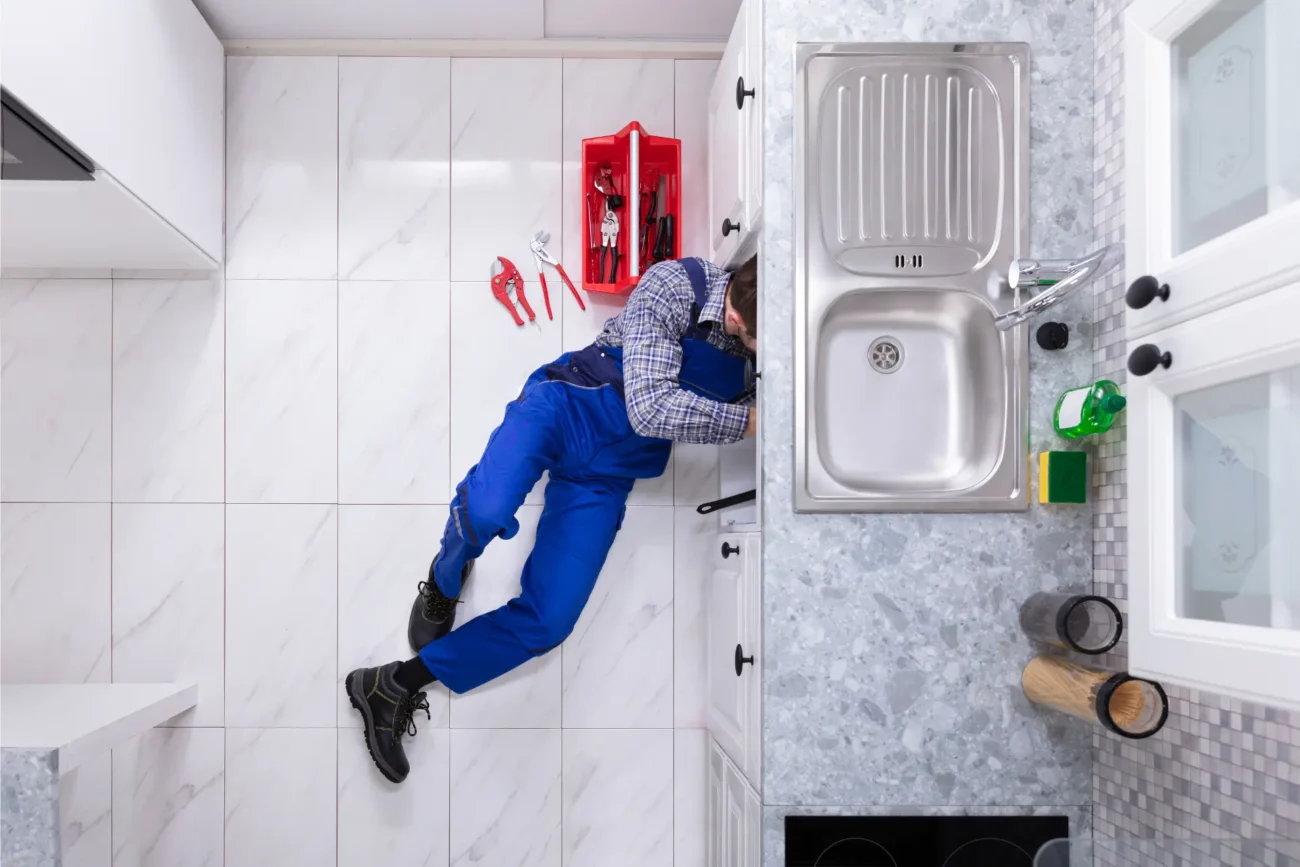
Plumbing is an essential aspect of any home, ensuring that water flows efficiently for various needs, from cooking and cleaning to bathing and heating. However, plumbing issues are inevitable and can range from minor inconveniences to significant disruptions. Mastering the basics of plumbing repair can save you time, money, and a lot of frustration. This article provides expert tips for quick fixes, empowering you to handle common plumbing problems with confidence.
Understanding Your Plumbing System
Before diving into repairs, it’s crucial to understand the basic components of your plumbing system. This includes the water supply system, which brings fresh water into your home; the drainage system, which removes wastewater; and the fixtures and appliances that use water, like sinks, toilets, and water heaters. Familiarizing yourself with these components will help you diagnose problems more effectively.
Essential Plumbing Tools
Having the right tools is half the battle in plumbing repair. Here’s a list of essential tools that every homeowner should have:
– **Plunger**: A must-have for unclogging drains and toilets.
– **Pipe Wrench**: For gripping and turning pipes.
– **Adjustable Wrench**: Ideal for various sizes of nuts and bolts.
– **Plumber’s Tape (Teflon Tape)**: Used to seal pipe threads and prevent leaks.
– **Drain Snake**: Helps remove clogs deep within pipes.
– **Basin Wrench**: Useful for reaching tight spaces behind sinks.
– **Plumber’s Putty**: Seals joints from leaks in non-pressurized settings.
– **Hacksaw**: For cutting through metal and plastic pipes.
– **Bucket and Towels**: For catching water and cleaning up spills.
Common Plumbing Problems and Quick Fixes
Leaky Faucets
A leaking faucet is a common issue that can waste a lot of water and increase your utility bills. The cause is usually a worn-out washer or O-ring. Here’s how to fix it:
1. **Turn off the water supply** to the faucet.
2. **Remove the handle** using a screwdriver.
3. **Take out the cartridge** or stem.
4. **Replace the washer or O-ring** with a new one.
5. **Reassemble the faucet** and turn the water back on to test.
Clogged Drains
Clogged drains in sinks, showers, or bathtubs can be a hassle. Here’s a quick fix:
1. **Use a plunger** to try to dislodge the blockage.
2. If that doesn’t work, use a **drain snake** to reach and remove the clog.
3. For minor clogs, a mixture of **baking soda and vinegar** can sometimes clear the pipes.
4. **Rinse with hot water** to ensure the drain is clear.
Running Toilet
A running toilet is not only annoying but also wasteful. It’s often caused by a faulty flapper, fill valve, or float. Here’s how to stop it:
1. **Remove the tank lid** and inspect the flapper. It should form a tight seal.
2. **Adjust the float** to ensure the water level is below the overflow pipe.
3. If necessary, **replace the flapper** or fill valve if they’re worn out.
Low Water Pressure
Low water pressure can occur for several reasons, such as mineral build-up in pipes or issues with the municipal water supply. Here’s how to troubleshoot:
1. **Check all faucets** to see if the issue is isolated or widespread.
2. **Clean the aerators** by unscrewing them and soaking in vinegar to dissolve mineral deposits.
3. If the problem persists, consult with your local water provider.
Water Heater Issues
Problems with your water heater can lead to cold showers and inefficient heating. Common issues include:
1. **No hot water**: Check the pilot light (for gas heaters) or the circuit breaker (for electric heaters).
2. **Leaking tank**: This usually requires professional repair or replacement.
3. **Strange noises**: Sediment build-up can cause popping noises. Drain and flush the tank to remove sediment.
Preventative Maintenance
Preventative maintenance is key to avoiding plumbing issues. Here are some tips:
– Regularly **inspect pipes and fixtures** for leaks and signs of wear.
– **Insulate pipes** to prevent freezing during cold months.
– Periodically **flush your water heater** to remove sediment.
– **Avoid using chemical drain cleaners** which can damage pipes over time.
Knowing When to Call a Professional
While many plumbing issues can be resolved with DIY methods, there are times when professional help is necessary. If you encounter any of the following, it’s best to call a plumber:
– Persistent leaks or clogs that DIY solutions can’t fix.
– Major water heater malfunctions.
– Sewer line issues.
– New plumbing installations or major renovations.
Conclusion
Mastering plumbing repair involves understanding your plumbing system, having the right tools, and knowing the quick fixes for common problems. While DIY repairs can save you time and money, don’t hesitate to call a professional when needed to prevent further damage. By following these expert tips, you can become proficient in handling everyday plumbing issues, ensuring your home’s plumbing system remains in good working order.
