Under-Sink Plumbing
Under-sink plumbing is an essential aspect of any kitchen or bathroom setup. While it may seem daunting, mastering under-sink plumbing can save you time, money, and stress. Whether you’re dealing with a leaky pipe, a clogged drain, or installing a new fixture, understanding the basics can empower you to tackle these challenges confidently. This article covers essential tips and tricks for mastering under-sink plumbing, ensuring your plumbing system works efficiently and effectively.
Understanding the Components
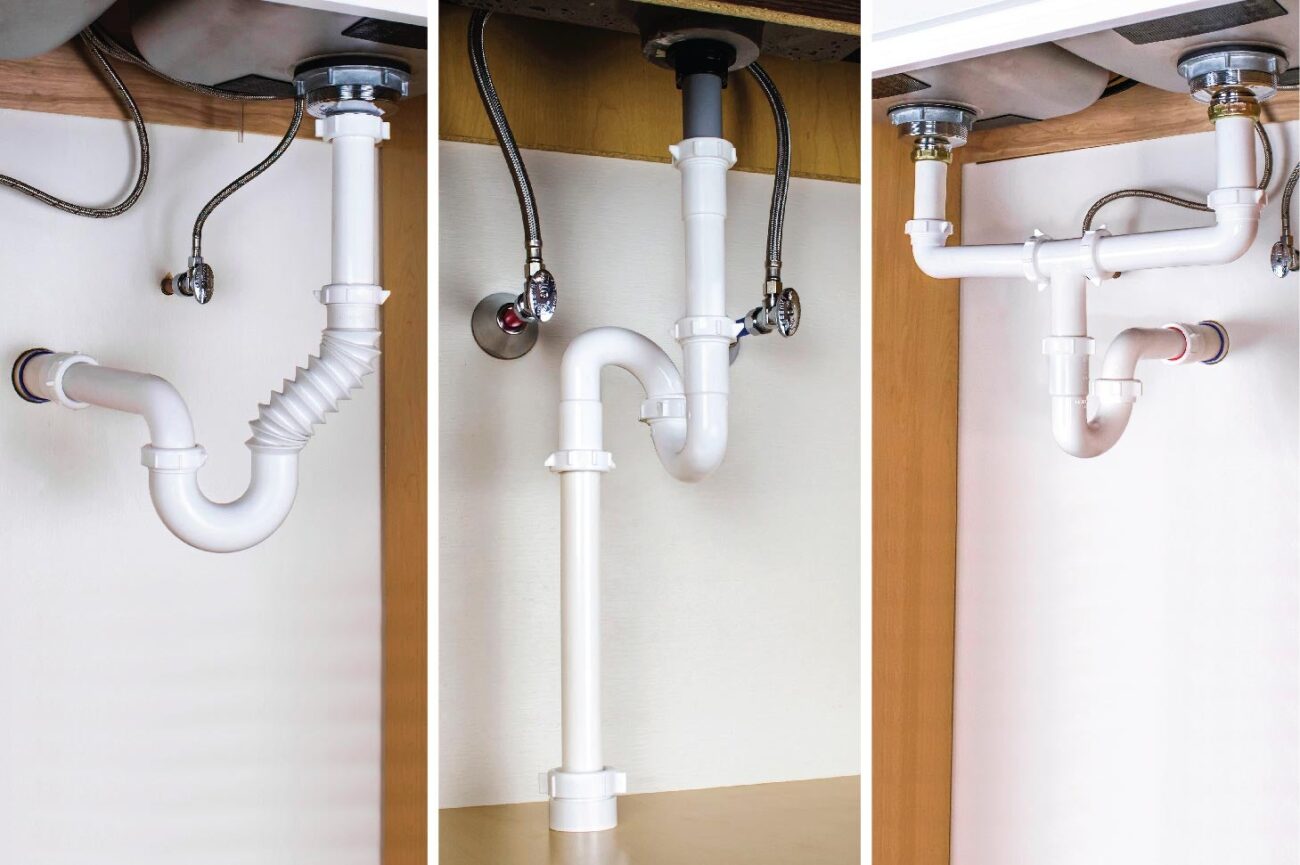
Before diving into tips and tricks, it’s crucial to understand the basic components of under-sink plumbing. These typically include:
P-Trap
The P-trap is a curved pipe designed to retain a small amount of water, which prevents sewer gases from entering the home. It’s an essential component for both kitchen and bathroom sinks.
Shut-Off Valves
These valves control the water supply to the sink, allowing you to turn off the water when needed. It’s crucial to know their location and function for maintenance and emergencies.
Supply Lines
Supply lines connect the water supply to the faucet. They can be made from various materials, including stainless steel, copper, or plastic.
Drain Pipes
Drain pipes carry wastewater away from the sink to the home’s main drainage system. Properly maintaining these pipes is key to preventing clogs and leaks.
Common Under-Sink Plumbing Issues
Understanding common issues that occur under sinks can help you identify and solve problems quickly. Some frequent issues include:
Leaks
Leaks can occur due to loose connections, damaged pipes, or worn-out seals. They can cause water damage and promote mold growth if not addressed promptly.
Clogs
Clogs are often caused by food particles, grease, hair, and other debris. They can slow down drainage and, if severe, cause water backups.
Low Water Pressure
Low water pressure can result from clogged aerators, faulty valves, or issues in the supply lines. Identifying the root cause is essential for restoring normal water flow.
Noisy Pipes
Noisy pipes can be a result of loose fittings or high water pressure. While not always indicative of a severe problem, they can be annoying and signal underlying issues.
Essential Tools for Under-Sink Plumbing
Having the right tools can make under-sink plumbing tasks much easier. Some essential tools include:
Pipe Wrench
A pipe wrench is crucial for loosening and tightening pipe fittings. Its adjustable jaws make it versatile for various sizes of pipes.
Plumber’s Tape
Also known as Teflon tape, this is used to seal pipe threads and prevent leaks. It’s an inexpensive yet essential tool for any plumbing task.
Plunger
A plunger can help dislodge minor clogs in sinks. It’s a simple tool that can save you from more complicated plumbing tasks.
Bucket and Towels
When working under sinks, water spillage is common. A bucket and towels will help manage any spills and keep your workspace dry.
Tips and Tricks for Mastering Under-Sink Plumbing
Now that we’re familiar with the basics, let’s delve into some essential tips and tricks for mastering under-sink plumbing.
Regular Maintenance
Regular maintenance can prevent many plumbing issues. Clean drains periodically with a mixture of baking soda and vinegar to break down clogs naturally. Inspect pipes for signs of wear or leaks, and replace them as necessary.
Proper Installation
When installing new fixtures or components, ensure all connections are tight and secure. Use plumber’s tape on threads and ensure all parts are aligned correctly. Proper installation reduces the risk of leaks and other issues.
Deal with Leaks Promptly
If you notice a leak, address it immediately to prevent water damage. Start by tightening connections and replacing worn-out seals. If the problem persists, inspect for cracks or damage in the pipes.
Unclog Drains Effectively
For stubborn clogs, use a plunger or a plumbing snake. Avoid chemical drain cleaners, as they can damage pipes over time. Instead, opt for mechanical solutions or natural remedies like baking soda and vinegar.
Adjust Water Pressure
If you’re experiencing low water pressure, clean the faucet aerator or check the shut-off valves. For high pressure, consider installing a pressure-reducing valve to protect your plumbing system and reduce noise.
Label Shut-Off Valves
In case of a plumbing emergency, knowing which valve to turn off can save crucial time. Label each shut-off valve clearly to ensure quick access and identification.
Use Expansion Foam for Noisy Pipes
To reduce noise from vibrating pipes, use expansion foam. This material can help secure pipes in place and minimize movement, reducing the noise level significantly.
When to Call a Professional
While many under-sink plumbing tasks can be handled by homeowners, some situations require professional intervention. Call a plumber if:
– You encounter a severe leak or water damage.
– The clog cannot be resolved with a plunger or snake.
– There’s a persistent foul odor, indicating a possible sewer issue.
– You need to install complex fixtures or new plumbing lines.
Conclusion
Mastering under-sink plumbing is a valuable skill that can save you time, money, and frustration. By understanding the components, recognizing common issues, and utilizing the right tools and techniques, you can address many plumbing challenges with confidence. Regular maintenance and prompt action can prevent minor problems from becoming major headaches. However, knowing when to call a professional is equally important to ensure your plumbing system’s longevity and reliability. With these essential tips and tricks, you’re well on your way to becoming proficient in under-sink plumbing.
