
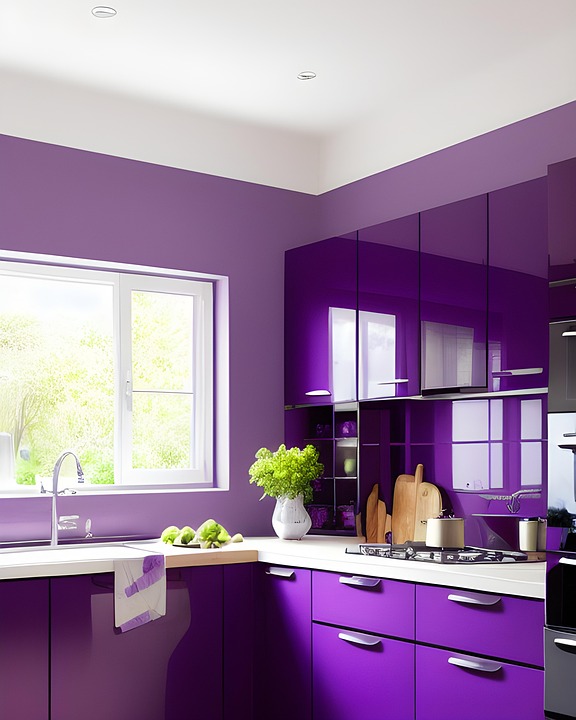
The kitchen is the heart of the home, a space where culinary magic happens, and family gatherings are cherished. However, the efficiency of this vital area often hinges on the plumbing layout. A well-optimized kitchen plumbing layout can significantly enhance workflow, reduce water consumption, and minimize maintenance issues. This article delves into the strategies to optimize your kitchen plumbing for an efficient workflow.
Understanding the Kitchen Triangle
Central to optimizing kitchen workflow is the concept of the kitchen triangle, which connects the sink, stove, and refrigerator. These are the most frequently used areas in the kitchen, and their proximity and accessibility can make a substantial difference in efficiency.
Importance of the Sink in the Kitchen Triangle
The sink is a pivotal component of the kitchen triangle due to its dual function of cleaning and food preparation. It should ideally be placed between the stove and refrigerator to ensure easy access during cooking and dishwashing. This placement minimizes unnecessary movement and streamlines the workflow.
Designing an Efficient Plumbing Layout
Designing an efficient plumbing layout is crucial for both new kitchens and renovations. A well-thought-out plan can save time, money, and frustration down the line.
Consideration of Pipe Runs
Short, direct pipe runs are the most efficient and cost-effective. They reduce the risk of leaks and allow for better water pressure throughout the system. When designing your kitchen, aim to keep the sink, dishwasher, and other water-reliant appliances close to each other to minimize pipe length.
Utilizing High-Quality Materials
The choice of materials can impact the longevity and performance of your plumbing system. Opt for high-quality pipes and fittings, such as copper or PEX, which offer durability and resistance to corrosion. These materials can handle the demands of a busy kitchen without frequent breakdowns.
Maximizing Functionality with Smart Appliances
The integration of smart appliances can revolutionize your kitchen experience. These devices not only enhance functionality but also improve water efficiency and workflow.
Dishwashers and Water Efficiency
Modern dishwashers are designed to use water more efficiently, with features like sensor-based washing and half-load options. Positioning the dishwasher near the sink allows for easy loading and unloading, making the cleanup process seamless.
Touchless Faucets
Touchless faucets are a valuable addition to any kitchen, providing convenience and hygiene. They minimize the need to touch handles with dirty hands, reducing the risk of cross-contamination. Ensure the faucet is positioned for easy access from various parts of the kitchen.
Incorporating Adequate Ventilation
Proper ventilation is often overlooked in kitchen plumbing design, yet it plays a crucial role in maintaining air quality and preventing moisture buildup.
Vent Pipes and Air Admittance Valves
Vent pipes allow sewer gases to escape and ensure that drains function correctly. In cases where installing a traditional vent pipe is impractical, consider using air admittance valves. These devices allow air into the system without letting gases escape, maintaining proper drainage.
Range Hoods and Exhaust Fans
Installing a range hood or exhaust fan above the stove is essential for eliminating cooking odors and excess moisture. This not only improves air quality but also prevents potential water damage to cabinetry and walls.
Ensuring Accessibility and Safety
An efficient kitchen layout should prioritize accessibility and safety, making it easier and safer for everyone to use.
Height Considerations
Ensure that sinks, faucets, and appliances are at comfortable heights for all users. Adjustable-height faucets and pull-out sinks can accommodate individuals with different needs, making the kitchen more inclusive.
Clearance and Pathways
Maintain clear pathways and ample clearance around key areas like the sink, stove, and refrigerator. This prevents accidents and allows multiple people to work in the kitchen simultaneously without hindrance.
Planning for Future Needs
An efficient kitchen is one that anticipates future needs and accommodates potential changes in lifestyle or family size.
Scalability of Plumbing System
When designing your plumbing layout, consider future expansions or modifications. Leave room for additional appliances or fixtures, and ensure the plumbing system can handle increased demand without compromising performance.
Energy and Water Conservation
Incorporate water-saving fixtures and energy-efficient appliances to reduce utility bills and environmental impact. Low-flow faucets and energy-star rated dishwashers are excellent choices for a sustainable kitchen.
Conclusion
Optimizing your kitchen plumbing layout is a multifaceted process that involves careful planning and consideration of various elements. By focusing on the kitchen triangle, designing efficient pipe runs, incorporating smart appliances, ensuring proper ventilation, and planning for future needs, you can create a kitchen that enhances workflow, conserves resources, and stands the test of time. Whether you’re renovating an existing space or building a new one, these strategies will help you achieve a functional and efficient kitchen environment.
