Plumbing can be an intimidating aspect of home maintenance for many. However, numerous common plumbing issues can be resolved with some basic knowledge and a few tools. This guide aims to empower beginners to tackle simple plumbing tasks, saving time and money while boosting confidence. By understanding the basics and following a systematic approach, you can handle minor repairs and maintenance tasks without professional help.
Understanding Your Plumbing System
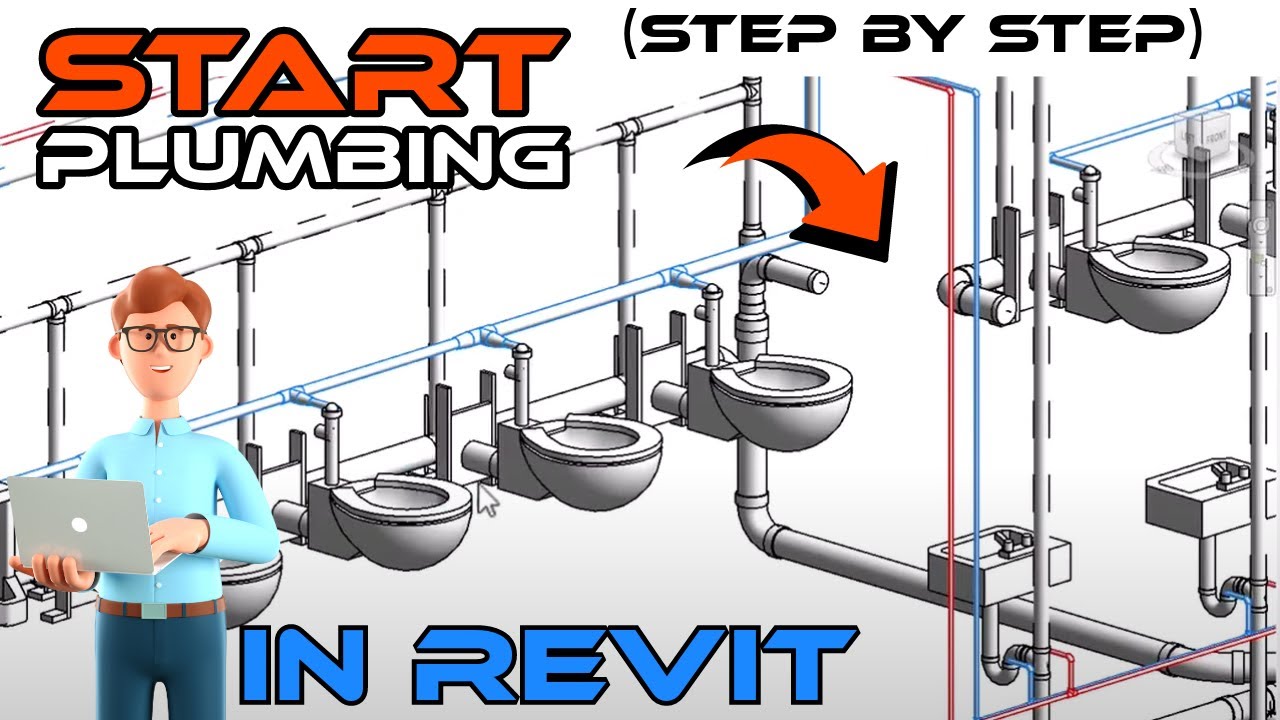
Before diving into specific DIY tasks, it’s essential to understand the basic components of your home’s plumbing system. Residential plumbing typically consists of two subsystems: the water supply system and the drainage system. The water supply system brings in fresh water, and the drainage system removes wastewater. Key components include:
- Water Supply Lines: Pipes that deliver clean water to fixtures like sinks, showers, and toilets.
- Drain-Waste-Vent (DWV) System: Pipes that remove wastewater and vent gases to prevent water lock and sewer gas buildup.
- Fixtures: Devices such as faucets, toilets, and showers that use water.
- Shut-Off Valves: Valves that control water flow to specific areas or fixtures, allowing for repairs without shutting off the entire water supply.
Essential Tools for DIY Plumbing
Having the right tools is crucial for any DIY plumbing project. Here is a list of essential tools that every beginner should have:
- Adjustable Wrench: Useful for tightening and loosening nuts and bolts of various sizes.
- Pipe Wrench: Designed to grip and turn pipes, especially useful for loosening stubborn fittings.
- Plumber’s Tape (Teflon Tape): Used to seal pipe threads to prevent leaks.
- Plunger: Essential for unclogging drains and toilets.
- Pipe Cutter: For cutting through metal or plastic pipes easily.
- Plumber’s Snake: A flexible tool for clearing blockages in pipes.
Common DIY Plumbing Tasks
Fixing a Leaky Faucet
A leaky faucet is not only annoying but can also waste a significant amount of water. Here’s how to fix it:
- Turn Off the Water Supply: Locate the shut-off valve under the sink and turn it off.
- Disassemble the Faucet: Remove the handle by unscrewing it. Use a wrench to remove the packing nut.
- Replace Worn Parts: Examine the O-rings and washers, and replace any that are worn or damaged.
- Reassemble the Faucet: Put the faucet back together and tighten all the nuts securely.
- Test the Faucet: Turn on the water supply and check for leaks.
Unclogging a Drain
Clogged drains are a common issue that can usually be resolved without professional help. Follow these steps:
- Use a Plunger: Place the plunger over the drain and pump vigorously to dislodge the clog.
- Apply Baking Soda and Vinegar: Pour a cup of baking soda followed by a cup of vinegar down the drain. Let it sit for 15 minutes, then flush with hot water.
- Use a Plumber’s Snake: Insert the snake into the drain and twist to break up and remove the clog.
Fixing a Running Toilet
A running toilet can waste a lot of water and increase your utility bill. Here’s how to stop it:
- Inspect the Flapper: Check if the flapper is sealing properly. Replace it if it’s worn or damaged.
- Adjust the Float: Ensure the float is set to the correct level to stop water from filling the tank continuously.
- Check the Fill Valve: Adjust the fill valve to ensure it shuts off the water when the tank is full.
Preventive Plumbing Maintenance
Regular maintenance can help prevent many common plumbing problems. Here are some tips:
- Inspect Regularly: Check for leaks under sinks and around toilets, faucets, and showers.
- Clean Drains: Use a mixture of baking soda and vinegar monthly to keep drains clear.
- Check Water Pressure: High water pressure can damage pipes. Use a pressure gauge to ensure it’s within a safe range (40-60 psi).
- Winterize Pipes: Insulate pipes in unheated areas to prevent freezing and bursting during cold weather.
When to Call a Professional
While DIY plumbing can handle many tasks, some situations require professional expertise:
- Persistent Leaks: If a leak persists despite repeated attempts to fix it, call a plumber.
- Major Blockages: Severe clogs that don’t respond to plunging or snaking may need professional intervention.
- Pipe Replacement: Replacing pipes or extensive re-piping should be handled by professionals.
- Water Heater Issues: Complex issues with water heaters should be diagnosed and repaired by a professional.
Conclusion
Tackling basic plumbing issues on your own can be rewarding and cost-effective. By familiarizing yourself with your plumbing system, acquiring essential tools, and following the steps outlined in this guide, you can address common problems with confidence. Remember, safety is paramount, so always ensure the water supply is off before starting any repair. With practice and patience, you’ll become more adept at maintaining the plumbing in your home. However, never hesitate to call a professional if a job feels beyond your skill level. Happy plumbing!
