
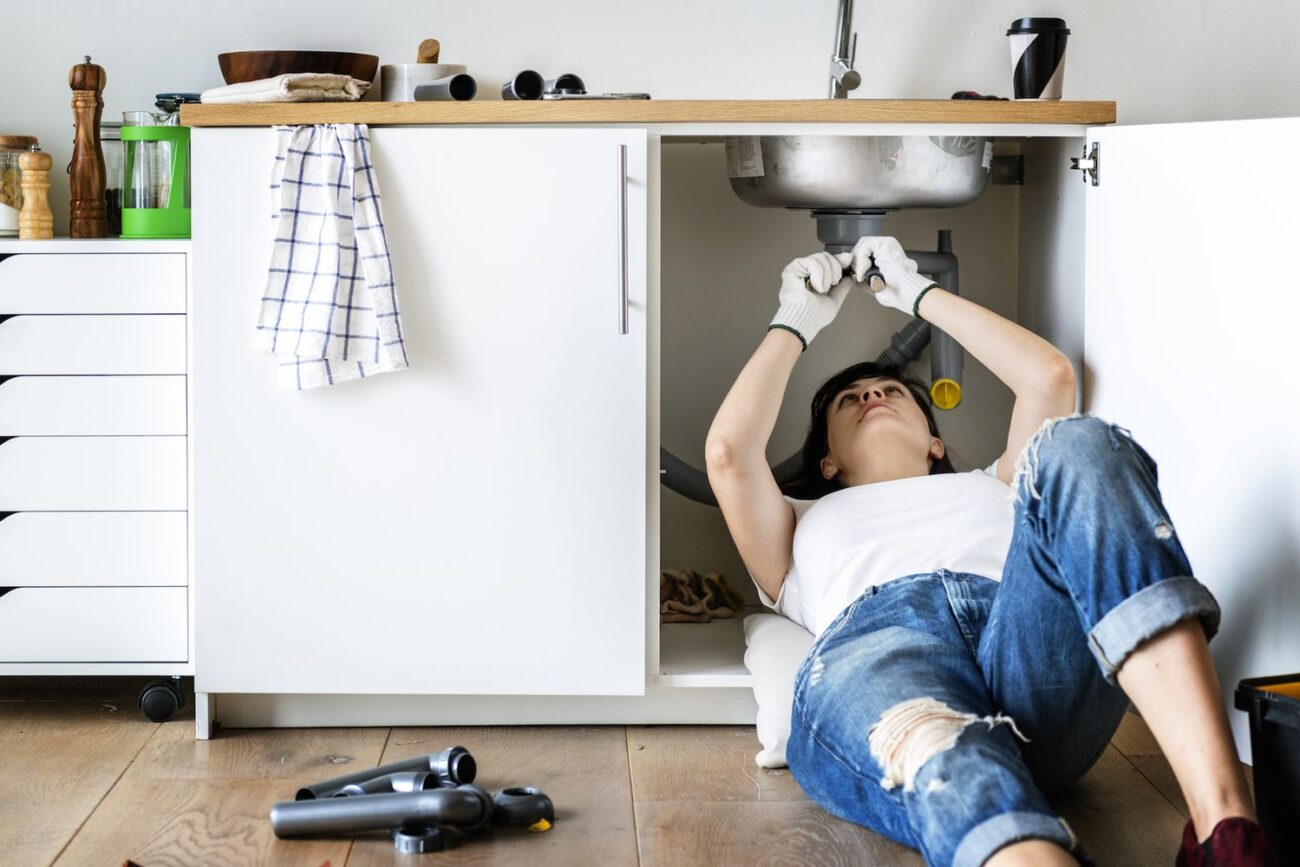
Kitchen plumbing is an essential aspect of maintaining a functional and efficient home. From the faucet to the garbage disposal, various components require regular maintenance and occasional repairs. Understanding how to tackle common plumbing issues can save homeowners from costly repairs and inconvenient disruptions. This article explores some of the top kitchen plumbing repair tips for homeowners, providing practical advice and insights to ensure that your kitchen runs smoothly.
Understanding Your Kitchen Plumbing System
Before diving into specific repair tips, it’s essential to understand the basic components of your kitchen plumbing system. The key elements include the sink, faucet, garbage disposal, dishwasher, and the network of pipes that supply water and remove waste. Each of these components plays a vital role in the kitchen’s overall functionality, and being familiar with them will help you identify and address potential issues more effectively.
Common Kitchen Plumbing Issues
Several common issues can arise within your kitchen plumbing system, ranging from minor annoyances to significant problems that require immediate attention. Some frequent issues include:
- Leaky faucets
- Clogged drains
- Low water pressure
- Garbage disposal jams
- Dishwasher leaks
By understanding these common problems, homeowners can take preventative measures and perform simple repairs to keep their kitchen plumbing in top shape.
Essential Tools for Kitchen Plumbing Repairs
Having the right tools on hand is crucial for any DIY plumbing repair. Here are some essential tools every homeowner should have:
- Adjustable wrench
- Pipe wrench
- Plunger
- Plumber’s tape
- Pliers
- Bucket
- Drain snake or auger
These tools will help you tackle the majority of common kitchen plumbing repairs with ease.
Repair Tips for Leaky Faucets
Leaky faucets are not only annoying but can also lead to increased water bills over time. Here’s how to repair a leaking faucet:
Identify the Type of Faucet
There are several types of faucets, including compression, ball, cartridge, and ceramic disk. Identifying the type of faucet you have will help you locate the problem and find the appropriate replacement parts.
Turn Off the Water Supply
Before beginning any repair, ensure the water supply to the faucet is turned off to prevent any water damage or mess.
Replace Worn-Out Parts
Most faucet leaks are caused by worn-out washers, O-rings, or seals. Disassemble the faucet to access these components and replace them with new parts. Reassemble the faucet and turn the water supply back on to test for leaks.
Tips for Unclogging Drains
Clogged drains are a common kitchen plumbing issue. Here’s how to address them:
Use a Plunger
A plunger can be an effective tool for unclogging minor drain blockages. Ensure there is enough water in the sink to cover the plunger’s cup, then apply forceful plunging motions to dislodge the clog.
Baking Soda and Vinegar
For a natural solution, pour a cup of baking soda followed by a cup of vinegar down the drain. Allow the mixture to sit for about 15 minutes before flushing with hot water. This method can help dissolve minor clogs.
Drain Snake or Auger
For more stubborn clogs, a drain snake or auger can help reach deeper into the pipe to remove the blockage. Insert the snake into the drain and turn the handle to break up and remove the clog.
Fixing Low Water Pressure
Low water pressure can make everyday tasks like washing dishes frustrating. Here’s how to improve it:
Check for Aerator Clogs
The aerator at the tip of the faucet can become clogged with mineral deposits, reducing water flow. Unscrew the aerator, clean out any debris, and soak it in vinegar to remove mineral build-up.
Inspect the Shut-Off Valves
Ensure that the shut-off valves under the sink are fully open. Sometimes, partially closed valves can reduce water pressure.
Examine the Pipes
If low pressure persists, inspect the pipes for any leaks, blockages, or corrosion that could be affecting water flow. In some cases, professional assistance may be needed to address significant pipe issues.
Maintaining Your Garbage Disposal
Garbage disposals are convenient but can sometimes become jammed or clogged. Here’s how to maintain them:
Run Cold Water
Always run cold water while using the disposal to help solidify any grease or fat, making it easier for the disposal to chop up and flush away.
Use the Disposal Regularly
Regular use prevents rust and corrosion and helps ensure all parts stay in good working order.
Unjamming a Disposal
If the disposal becomes jammed, turn off the power and use a hex key to manually turn the motor from beneath the unit. This can help dislodge any stuck debris.
Preventing Dishwasher Leaks
Dishwasher leaks can cause significant water damage. Here’s how to prevent them:
Check the Door Seal
Inspect the rubber seal around the door for any cracks or damage. Replace the seal if necessary to prevent water from leaking out during cycles.
Inspect Hoses
Periodically check the water supply and drain hoses for any signs of wear or leaks. Replace any damaged hoses promptly.
Level the Dishwasher
Ensure your dishwasher is level. An uneven unit can cause water to pool and leak from the door.
When to Call a Professional
While many kitchen plumbing issues can be tackled with a DIY approach, some problems require professional expertise. If you encounter major leaks, persistent clogs, or complex issues with your plumbing system, it’s best to call a licensed plumber. They can offer specialized tools and knowledge to resolve the problem efficiently and safely.
Conclusion
Maintaining your kitchen plumbing system is crucial for a functional and efficient home. By understanding common issues and applying these repair tips, homeowners can address many plumbing problems independently. However, knowing when to call a professional is equally important to prevent further damage and ensure a lasting solution. With the right knowledge and tools, you can keep your kitchen plumbing in excellent condition, saving time and money while avoiding unnecessary stress.
