
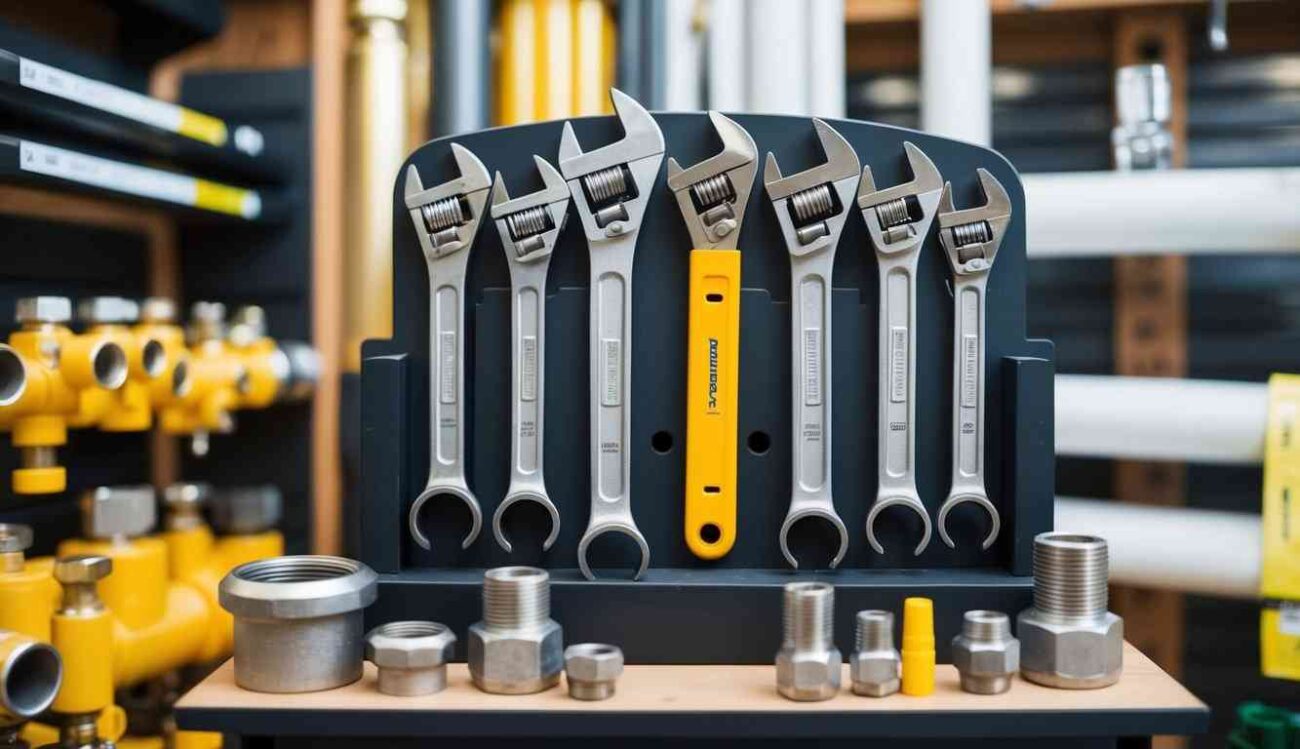
The pipe wrench is a quintessential tool in the toolkit of any tool enthusiast, DIYer, or professional tradesperson. Known for its adjustable jaws and powerful grip, the pipe wrench is designed primarily for working with pipes. However, its versatility extends far beyond plumbing. In this article, we explore the various uses of a pipe wrench, illustrating why it deserves a prominent spot in your tool collection.
Understanding the Pipe Wrench
Before delving into its uses, it’s essential to understand what makes the pipe wrench unique. Characterized by its adjustable jaws, the pipe wrench is specifically crafted for gripping cylindrical objects. The serrated teeth of the jaws allow for a firm hold, preventing slippage when turning or holding pipes. The pipe wrench comes in various sizes, each suited for different tasks.
Primary Uses of a Pipe Wrench
The pipe wrench is a tool designed with a primary purpose: to work with pipes. Here are some of the fundamental tasks it excels at:
1. Plumbing Work
The most obvious use of a pipe wrench is in plumbing. Whether you’re a professional plumber or a DIY enthusiast, the pipe wrench is indispensable. It is ideal for gripping and turning threaded pipes and fittings, which are common in residential and commercial plumbing systems. From fixing leaks to installing new pipes, the pipe wrench is essential for any plumbing job.
2. Gas Line Maintenance
Similar to plumbing, gas lines often require adjustments or maintenance. A pipe wrench is perfect for handling the various fittings and joints in gas lines. It’s crucial to use the right size wrench to ensure safety and effectiveness when working with gas lines, as improper handling can lead to dangerous leaks.
3. Heavy-Duty Construction
In construction, the pipe wrench often comes into play for tasks that require the manipulation of large pipes. It can be used to assemble or disassemble scaffolding, install large HVAC systems, or work with any other substantial piping systems found on construction sites.
Secondary Uses of a Pipe Wrench
Beyond its primary applications, the pipe wrench can be a versatile tool for various other tasks:
1. Loosening Stubborn Fasteners
When bolts, nuts, or other fasteners are too stubborn for a standard wrench, the pipe wrench can be an effective alternative. Its adjustable grip allows it to adapt to different shapes and sizes, providing the necessary torque to loosen even the most persistent fasteners.
2. Holding Large Items Steady
When working alone, holding large items steady while you work can be challenging. A pipe wrench can act as a third hand, gripping and holding pipes or other cylindrical objects in place, freeing up your hands for other tasks.
3. Metalworking Projects
In metalworking, precision and strength are key. A pipe wrench is useful for bending or shaping metal bars, tubes, and rods. Its firm grip provides the leverage needed to manipulate metal components, whether you’re crafting art pieces or building structures.
Specialty Applications of a Pipe Wrench
For tool enthusiasts, the pipe wrench can be used in some creative and specialized ways:
1. DIY Projects
Crafty tool enthusiasts can find numerous applications for a pipe wrench in DIY projects. From building custom furniture to assembling unique home fixtures, the pipe wrench can assist in holding and manipulating materials not typically associated with plumbing.
2. Automotive Repairs
While not a substitute for a mechanic’s wrench set, the pipe wrench can be handy for certain automotive repairs, particularly when dealing with large, round components like exhaust pipes or suspension parts. Its robust grip and adjustability make it a reliable tool for tackling tough automotive tasks.
3. Creative Tool Modifications
For the inventive tool enthusiast, a pipe wrench can be modified to serve various purposes. By attaching custom jaws or grips, it can be transformed into a tool for specific, niche tasks. This adaptability makes it a favorite among those who love to innovate and customize their tools.
Choosing the Right Pipe Wrench
With so many sizes and types of pipe wrenches available, selecting the right one is crucial for maximizing its utility. Here are some considerations:
1. Size and Length
Pipe wrenches come in a range of sizes, typically from 10 inches to 48 inches or more. Smaller wrenches are suitable for residential plumbing, while larger ones are necessary for industrial applications. Consider the scope of your projects to choose the appropriate size.
2. Material and Build Quality
Investing in a durable, high-quality pipe wrench is essential for long-term use. Look for wrenches made of forged steel with a solid build. Some wrenches have aluminum handles, which offer a lighter weight without sacrificing strength.
3. Jaw Design
The design of the jaws can affect the wrench’s performance. Some models have replaceable jaws, allowing for easy maintenance and prolonged tool life. Consider wrenches with serrated jaws for a better grip on smooth surfaces.
Safety Tips for Using a Pipe Wrench
While the pipe wrench is a versatile and powerful tool, it must be used safely to avoid accidents:
1. Proper Grip and Application
Ensure the wrench is applied correctly to the pipe or object. The jaws should grip the workpiece securely, with the force applied in the direction that tightens the grip. Incorrect application can lead to slippage and potential injury.
2. Wear Protective Gear
Always wear appropriate protective gear, such as gloves and safety glasses, when using a pipe wrench. This helps protect against accidental slippage or flying debris.
3. Avoid Over-Tightening
Over-tightening can damage both the wrench and the workpiece. Apply just enough force to accomplish the task, and avoid excessive pressure.
Conclusion
The pipe wrench is more than just a tool for plumbers. Its versatility and strength make it an invaluable asset for tool enthusiasts across a variety of fields. From plumbing and automotive repairs to creative DIY projects, the pipe wrench can tackle a wide range of tasks efficiently. By understanding its uses and selecting the right type for your needs, you can unlock its full potential and make it a staple in your toolkit.
#ChatGPT assisted in the creation of this article.
