Top Plumbing Mistakes You Must Avoid
Plumbing is one of those things that, when working correctly, goes unnoticed, but when it malfunctions, it can cause a host of problems. Whether you’re a seasoned DIY enthusiast or a complete novice, it’s crucial to approach plumbing projects with caution and knowledge. Mistakes can lead to costly repairs, water damage, and even health hazards. This article will guide you through the top plumbing mistakes you must avoid to ensure your DIY projects run smoothly and efficiently.
Using the Wrong Tools
One of the most common mistakes in DIY plumbing is using incorrect or makeshift tools. Each plumbing task requires specific tools designed for the job. For example, using a regular wrench instead of a pipe wrench can cause damage to your pipes due to improper grip and application of force. Always ensure you have the right tools on hand like pliers, pipe wrenches, plumber’s tape, and a basin wrench to tackle different plumbing tasks effectively.
Overtightening Connections
A common misconception is that tighter connections mean fewer leaks. However, overtightening can crack fittings, strip threads, and even cause leaks. It’s important to tighten connections just enough to prevent leaks but not to the point where you damage the components. Hand-tighten initially, and then use a wrench to tighten just a bit further, ensuring a secure, yet gentle fit.
Ignoring Local Plumbing Codes
Every region has specific plumbing codes that must be adhered to. These codes are designed to ensure safety and efficiency in plumbing systems. Ignoring these can lead to serious violations and potentially unsafe situations. Before beginning any plumbing project, familiarize yourself with local codes and regulations. Not only will this keep you compliant, but it will also ensure your work is up to professional standards.
Mismatched Pipe Materials
Different materials have different properties, and not all can be used together. For example, connecting copper and galvanized pipes directly can cause corrosion due to a chemical reaction known as galvanic corrosion. Always use dielectric unions when connecting dissimilar metals, and ensure that the pipes you are working with are compatible to prevent leaks and other problems.
Improper Slope on Drain Lines
When installing drain pipes, the slope is crucial for proper drainage. A drain line that is too flat can lead to clogs, while one that is too steep can cause water to drain too quickly, leaving solids behind. The ideal slope is typically 1/4 inch per foot, allowing gravity to carry waste smoothly through the pipes without leaving debris.
Not Turning Off the Water Supply
One of the most preventable plumbing mistakes is failing to turn off the water supply before starting a project. This can lead to flooding and water damage in your home. Always locate the main water shutoff valve and turn it off before beginning any plumbing work, and test the faucets to ensure the water is completely off.
Using Chemical Drain Cleaners
While chemical drain cleaners can seem like an easy fix for clogs, they can do more harm than good. These chemicals can corrode pipes, leading to leaks and additional damage over time. Instead, opt for mechanical means such as a plunger or a plumber’s snake. If a chemical solution is necessary, use it sparingly and as a last resort.
Improper Installation of Fixtures
Installing fixtures such as sinks, toilets, and faucets might seem straightforward, but small mistakes can lead to big problems. Ensure that all fixtures are installed level and securely. Use plumber’s tape on threaded connections to prevent leaks, and double-check that all components are tightened properly without overtightening.
Neglecting to Install Shutoff Valves
Shutoff valves are essential for controlling water flow to individual fixtures or appliances. Neglecting to install them can make future repairs or replacements much more difficult, requiring you to shut off the water to the entire house. Install shutoff valves for each fixture and appliance to allow for easy maintenance and emergency shutoff if needed.
Forgetting to Check for Leaks
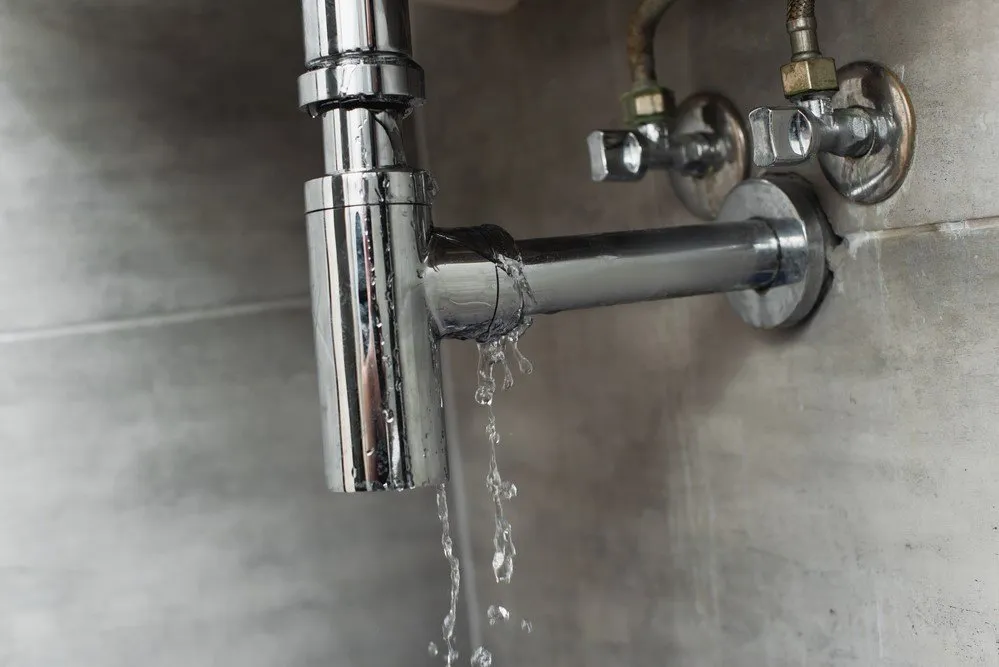
After completing any plumbing work, it’s critical to check for leaks. Even a small leak can cause significant water damage over time. Run water through the system and inspect all connections, joints, and fixtures for any signs of moisture. Use a dry cloth to wipe down joints and check for any wet spots, which can indicate a leak.
Overlooking the Importance of Venting
Proper venting is essential for a plumbing system’s function. Vents allow sewer gases to escape and prevent pressure build-up in the drainage system. Without proper venting, you may experience slow drainage and unpleasant odors. Ensure that your plumbing system is well-vented and that all vent pipes are clear and unobstructed.
Failing to Plan for Future Access
When installing plumbing behind walls or under floors, always consider future maintenance needs. Design your system to allow easy access to important components like shutoff valves, traps, and cleanouts. This foresight can save time and money when repairs or maintenance are needed.
Not Knowing When to Call a Professional
Finally, one of the biggest mistakes in DIY plumbing is not knowing when a task is beyond your skill level. Some plumbing issues require the expertise of a licensed plumber to ensure safety and compliance with local codes. If you’re unsure about any aspect of your plumbing project or if you encounter a problem you can’t solve, don’t hesitate to call a professional.
Conclusion
Avoiding these common plumbing mistakes can save you time, money, and frustration. By using the right tools, respecting local codes, and understanding the basics of plumbing systems, you can tackle most DIY plumbing projects with confidence. Remember, when in doubt, consult a professional to ensure your plumbing work is done safely and effectively.
#ChatGPT assisted in the creation of this article.
