
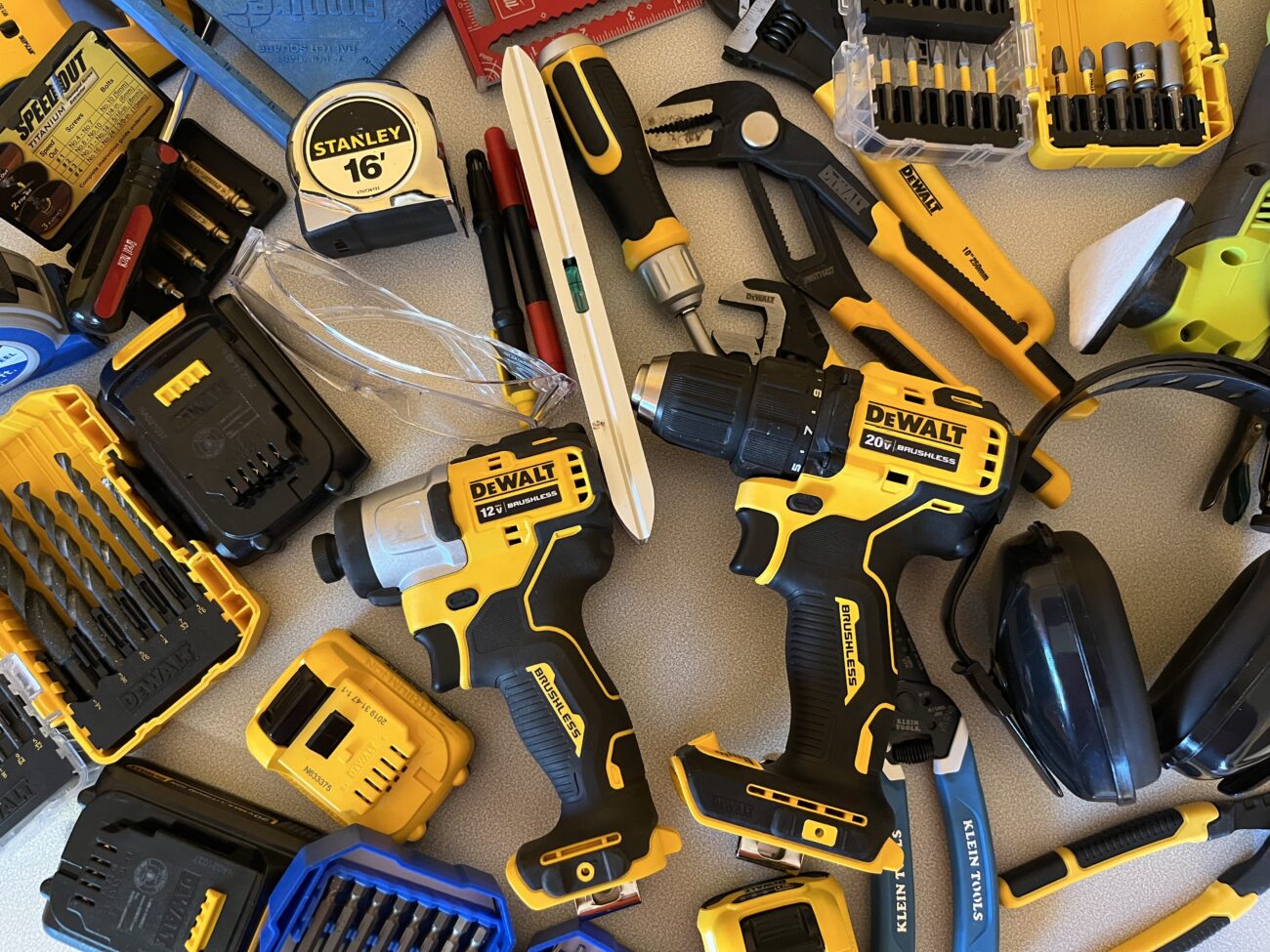
Plumbing is an intricate craft that requires precision, skill, and the right tools. As technology advances, power tools have transformed how plumbers approach their work, making repairs faster and more efficient. From cutting through pipes to clearing stubborn blockages, these tools are indispensable in modern plumbing. This article will explore the top plumbing power tools that every professional should consider for efficient repairs.
Importance of Power Tools in Plumbing
Power tools have revolutionized the plumbing industry by increasing productivity and reducing the physical strain on plumbers. These tools provide greater torque and power, allowing for the swift completion of tasks that would otherwise be labor-intensive and time-consuming. Moreover, power tools enhance precision, minimize material wastage, and improve safety by reducing the risk of repetitive strain injuries. As a result, investing in high-quality power tools is crucial for any plumbing professional looking to deliver efficient and reliable services.
Essential Power Tools for Plumbing Repairs
Power Drills
Power drills are fundamental in any plumber’s toolkit. They are versatile tools used for drilling holes in walls, floors, and various surfaces to accommodate pipes and fixtures. Cordless drills offer the added advantage of mobility, allowing plumbers to work in tight spaces without being tethered to a power outlet. For heavy-duty applications, hammer drills provide the necessary power to drill into concrete and masonry surfaces.
Pipe Threaders
Pipe threaders are essential for cutting threads on the ends of pipes, enabling them to be connected securely with fittings. Power pipe threaders significantly speed up this process compared to manual threading, ensuring a precise and consistent thread every time. This tool is particularly invaluable when working with galvanized steel or black iron pipes, which are commonly used in plumbing systems.
Reciprocating Saws
Reciprocating saws, often referred to as Sawzalls, are indispensable for cutting through a variety of materials, including wood, metal, and plastic. In plumbing, they are primarily used for cutting through pipes, allowing plumbers to remove or replace sections quickly. Their compact design and powerful motor make them ideal for working in confined spaces, such as under sinks or in crawl spaces.
Pipe Cutters
While manual pipe cutters are common, power pipe cutters offer efficiency and precision, especially when dealing with larger pipes. These tools can easily slice through PVC, copper, and steel pipes without leaving burrs or requiring excessive force. Power pipe cutters are particularly useful in commercial plumbing applications where large-diameter pipes are prevalent.
Drain Cleaning Machines
Blocked drains are a common plumbing issue, and power drain cleaning machines are essential for tackling severe blockages. These machines use rotating cables equipped with cutting blades to break through clogs and clear pipes efficiently. Models range from small handheld units for minor blockages to large industrial machines capable of clearing significant obstructions in commercial settings. Investing in a high-quality drain cleaning machine can save time and reduce the need for chemical drain cleaners, which can be harmful to pipes and the environment.
Pex Expansion Tools
PEX piping has become increasingly popular due to its flexibility and ease of installation. PEX expansion tools are used to enlarge the pipe end, allowing fittings to be inserted before the pipe contracts to form a secure connection. Power PEX expansion tools expedite this process, ensuring a reliable and leak-proof joint every time.
Safety Considerations When Using Plumbing Power Tools
While power tools can significantly enhance efficiency, they also present safety risks if not used correctly. Plumbers must adhere to safety guidelines to prevent accidents and injuries. Key safety considerations include:
- Wearing appropriate personal protective equipment (PPE) such as gloves, safety goggles, and hearing protection.
- Ensuring tools are in good working condition and regularly maintained to prevent malfunctions.
- Being aware of the surroundings and ensuring a stable working environment to prevent slips, trips, and falls.
- Following manufacturer instructions and guidelines for tool operation to avoid misuse and accidents.
- Disconnecting power tools from the power source when not in use, during maintenance, or when changing attachments.
Choosing the Right Power Tools for Your Needs
Selecting the right power tools depends on the specific requirements of your plumbing work. Consider factors such as the types of materials you commonly work with, the scale of your projects, and your budget. Investing in high-quality tools from reputable brands can offer better performance, durability, and after-sales support. Additionally, consider the availability of spare parts and accessories, as well as the ease of obtaining service and repairs.
Conclusion
In the fast-paced world of plumbing, having the right power tools can make all the difference in delivering efficient and effective repairs. From power drills and pipe threaders to drain cleaning machines and PEX expansion tools, these essential tools streamline tasks, reduce manual labor, and enhance the quality of work. By prioritizing safety and investing in high-quality equipment, plumbers can improve their productivity and ensure the satisfaction of their clients. As technology continues to evolve, staying informed about the latest advancements in plumbing power tools will be crucial for maintaining a competitive edge in the industry.
