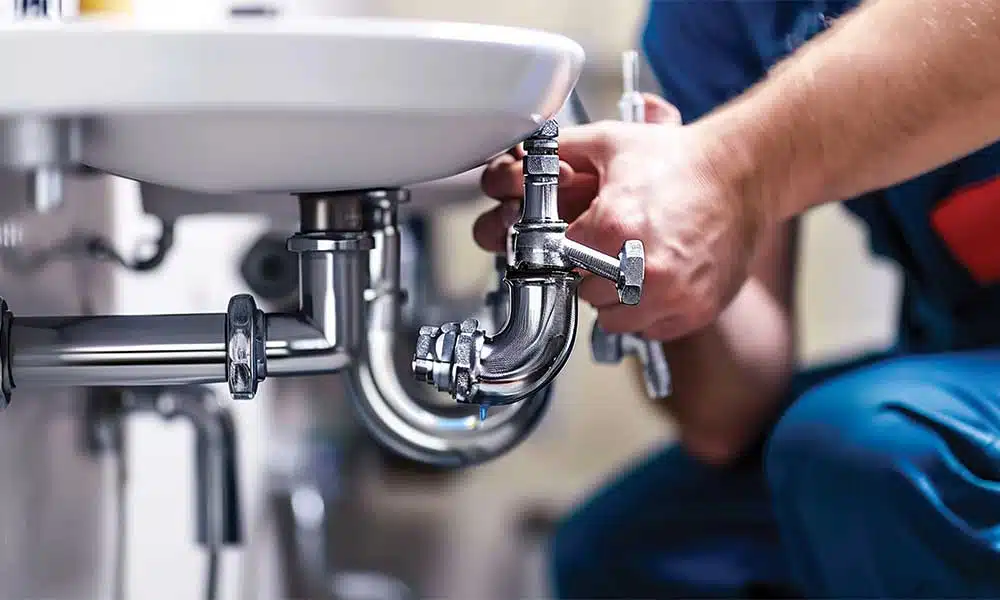
Plumbing issues are an inevitable part of homeownership. From leaky faucets to clogged drains, these problems can disrupt daily life and cause significant damage if not addressed promptly. Whether you’re a seasoned DIYer or a complete novice, understanding the basics of plumbing repair can save both time and money. This article will explore some of the most common plumbing issues homeowners face and provide effective solutions to tackle them.
Leaky Faucets
Leaky faucets are not only annoying but can also lead to increased water bills and water wastage. The good news is that fixing a leaky faucet is often a straightforward task.
Identifying the Problem
Most leaky faucets are caused by worn-out washers, gaskets, or seals. Over time, these components can degrade, leading to drips and leaks.
Solution
1. **Turn Off the Water Supply**: Before you begin any repairs, ensure that the water supply to the faucet is turned off.
2. **Disassemble the Faucet**: Use a wrench to remove the handle and access the valve. Depending on the type of faucet (compression, ball, cartridge, or ceramic disk), the disassembly process may vary.
3. **Inspect and Replace**: Once you have access to the internal components, check for worn-out washers or seals and replace them with new ones.
4. **Reassemble and Test**: Reassemble the faucet, turn on the water supply, and check if the leak persists.
Clogged Drains
Clogged drains are a common issue in kitchens and bathrooms. Hair, soap, food particles, and grease can build up over time, leading to slow drainage or complete blockages.
Identifying the Problem
Signs of a clogged drain include water pooling in sinks or bathtubs, unpleasant odors, and gurgling sounds.
Solution
1. **Boiling Water**: For minor clogs, pour boiling water down the drain to dissolve soap scum and grease.
2. **Plunger**: Use a plunger to create suction and dislodge the blockage. Ensure there’s enough water in the sink or tub to cover the plunger’s head.
3. **Baking Soda and Vinegar**: Pour 1/2 cup of baking soda followed by 1/2 cup of vinegar down the drain. Cover the drain and let it sit for 15-20 minutes before flushing with hot water.
4. **Plumber’s Snake**: For stubborn clogs, a plumber’s snake can reach deep into pipes to break up the obstruction.
Running Toilets
A running toilet can waste a significant amount of water, increasing your utility bills.
Identifying the Problem
A running toilet is often caused by a faulty flapper, a malfunctioning fill valve, or an improperly adjusted float.
Solution
1. **Inspect the Flapper**: Open the toilet tank and check the flapper for wear and tear. Replace it if it’s damaged.
2. **Check the Fill Valve**: Adjust or replace the fill valve if it’s not shutting off properly.
3. **Adjust the Float**: Ensure the float is at the correct level to stop water from continuously filling the tank.
Low Water Pressure
Low water pressure can make daily tasks like showering or washing dishes frustratingly slow.
Identifying the Problem
Low water pressure can result from mineral buildup in pipes, a malfunctioning pressure regulator, or leaks.
Solution
1. **Clean Aerators and Showerheads**: Remove aerators and showerheads and soak them in vinegar to dissolve mineral deposits.
2. **Inspect for Leaks**: Check for any visible leaks in pipes and connections that could be reducing pressure.
3. **Check the Pressure Regulator**: If you have a pressure regulator, ensure it’s set correctly or consider replacing it if it’s faulty.
Water Heater Issues
Problems with your water heater can leave you with no hot water, impacting daily routines.
Identifying the Problem
Common water heater issues include no hot water, inadequate hot water, or strange noises coming from the unit.
Solution
1. **Check the Thermostat**: Ensure the thermostat is set to the desired temperature and functioning correctly.
2. **Flush the Tank**: Sediment buildup can cause inefficiency or noise. Drain the tank to remove sediment.
3. **Inspect the Heating Elements**: For electric water heaters, check if the heating elements are functioning and replace them if necessary.
Conclusion
While some plumbing issues are complex and require professional intervention, many common problems can be resolved with a bit of knowledge and effort. By understanding the underlying causes and following these repair solutions, homeowners can address plumbing issues effectively, saving both time and money. However, if a problem persists or seems beyond your expertise, it’s always wise to consult a licensed plumber to ensure your home’s plumbing system remains in good working order.
