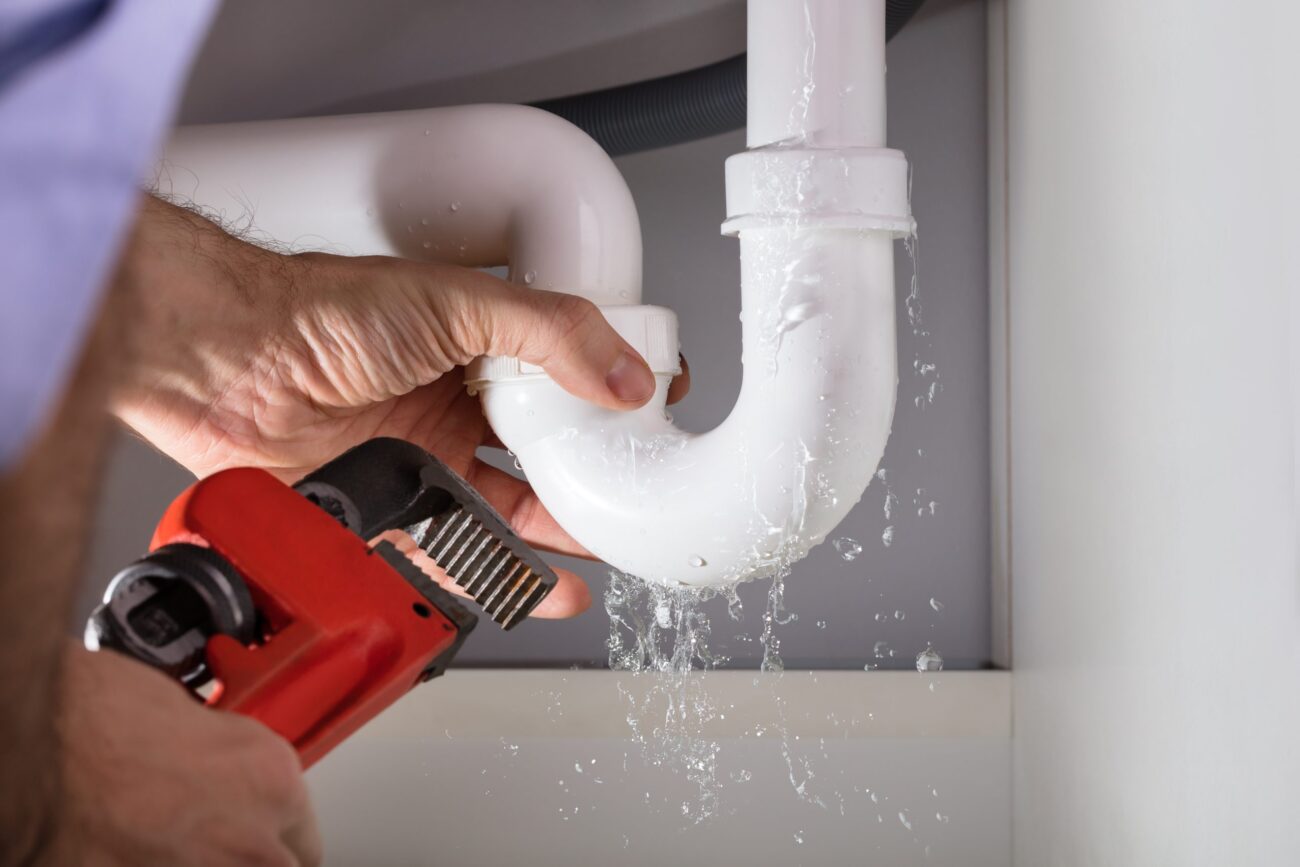
Plumbing issues are not just inconvenient; they can also pose significant safety risks if not handled correctly. Whether you’re a DIY enthusiast or a homeowner looking to maintain a safe and secure home, understanding plumbing safety is crucial. In this article, we’ll explore essential plumbing safety tips that will help you manage tasks effectively while ensuring your home remains a safe haven.
Understanding the Importance of Plumbing Safety
Plumbing systems are integral to modern living, providing clean water and facilitating waste removal. However, working with plumbing systems involves specific risks, such as exposure to harmful chemicals, potential for water damage, and the risk of injury while using tools. By prioritizing plumbing safety, you can prevent accidents, protect your home from damage, and ensure the well-being of everyone in your household.
Basic Precautions Before You Begin
1. Educate Yourself
Before embarking on any plumbing task, take the time to educate yourself about the specific job. Whether it’s fixing a leaky faucet or installing a new water heater, understanding the process and the tools required is crucial. Consult user manuals, watch tutorial videos, or ask for advice from a professional if needed.
2. Use the Right Tools
Using the correct tools for the job is essential for both safety and efficiency. Improper tools can cause damage to plumbing fixtures or result in personal injury. Invest in a basic plumbing toolkit that includes wrenches, pliers, pipe cutters, and a plunger.
3. Wear Appropriate Safety Gear
Protective gear is often overlooked, but it is vital for plumbing safety. Wear gloves to protect your hands from sharp objects and chemicals, and use safety goggles to shield your eyes from debris or splashing liquids. If you’re working in a confined space, consider wearing a dust mask to avoid inhaling dust or mold particles.
4. Turn Off Water and Electricity
Before starting any plumbing job, always turn off the water supply to the area you’ll be working in. This step helps prevent accidental flooding or water damage. Additionally, if your task involves electrical components, such as installing a water heater, ensure that the power supply is turned off to avoid electrical shock.
Safe Handling of Plumbing Repairs
5. Be Cautious with Chemicals
Chemical drain cleaners and other cleaning agents can be hazardous if not handled properly. Always read the labels and follow the manufacturer’s instructions. Avoid mixing different chemicals, as this can create toxic fumes. When using chemicals, ensure the area is well-ventilated to minimize inhalation risks.
6. Watch for Signs of Mold
Plumbing leaks can lead to mold growth, which poses health risks to you and your family. If you notice discoloration, a musty odor, or visible mold, address the issue promptly. Use protective gear when handling mold and consider hiring a professional for extensive mold remediation.
7. Be Aware of Gas Lines
If your plumbing project involves working near gas lines, exercise extreme caution. Gas leaks can lead to explosions or carbon monoxide poisoning. If you suspect a gas leak, evacuate the area immediately and contact your utility provider. Never attempt to repair a gas line yourself.
Preventative Measures for Long-Term Safety
8. Regular Inspections
Conduct regular inspections of your plumbing system to identify potential issues before they escalate. Check for leaks, corrosion, or signs of wear and tear. Early detection can prevent costly repairs and maintain the safety of your home.
9. Install Safety Devices
Consider installing safety devices such as pressure relief valves, water leak detectors, and backflow preventers. These devices provide an additional layer of protection by preventing water damage and ensuring the safety of your plumbing system.
10. Know Your Limits
While DIY plumbing can save money, it’s crucial to recognize your limitations. Complex plumbing tasks, like major pipe replacements or sewer line repairs, should be left to professionals. Attempting tasks beyond your expertise can lead to costly mistakes and safety hazards.
Conclusion
Plumbing safety is an integral part of maintaining a secure and functional home. By following these top plumbing safety tips, you can tackle plumbing tasks with confidence while minimizing risks. Remember, when in doubt, it’s always best to consult a professional plumber to ensure the safety and efficiency of your plumbing system. With the right precautions and a proactive approach, you can maintain a safe, comfortable, and problem-free home environment.
#ChatGPT assisted in the creation of this article.
