
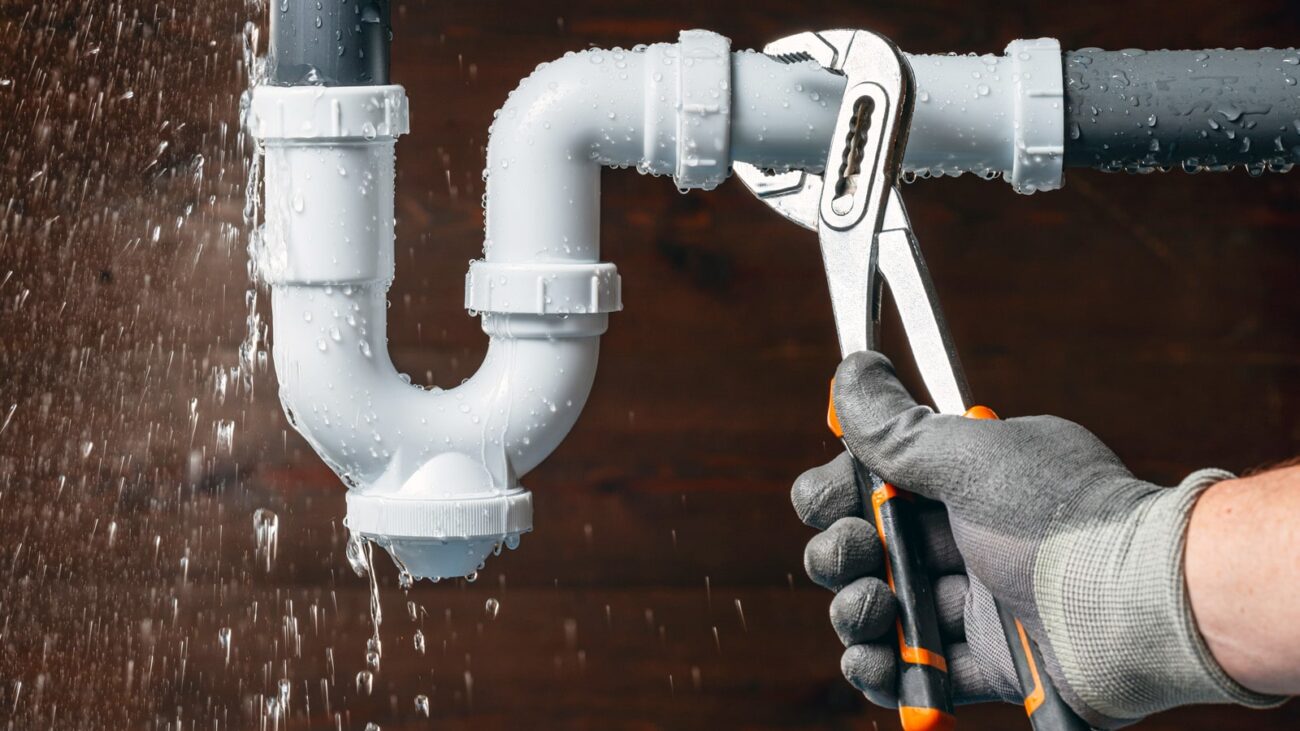
Plumbing issues can be a homeowner’s worst nightmare, especially when they involve the sinks in your kitchen or bathroom. Not only do they disrupt daily routines, but they can also lead to water damage and expensive repairs if not addressed promptly. In this article, we will explore some of the most common sink plumbing issues and provide practical solutions to fix them. Whether you’re a DIY enthusiast or a novice, these tips will help you tackle plumbing problems with confidence.
Leaky Faucets
Leaky faucets are one of the most common plumbing issues homeowners face. The constant drip, drip, drip of water can be both annoying and costly, leading to increased water bills. Fortunately, fixing a leaky faucet is often a straightforward task.
Causes
Leaky faucets are typically caused by worn-out washers, O-rings, or seals within the faucet assembly. Over time, these components can degrade, leading to leaks.
Solution
To fix a leaky faucet, start by turning off the water supply to the sink. Then, disassemble the faucet carefully, removing the handle and any other components that may be in the way. Inspect the washer, O-ring, and seals for signs of wear and replace them if necessary. Reassemble the faucet and turn the water supply back on to check for leaks.
Clogged Drains
Another prevalent issue is clogged drains, which can cause water to back up in the sink and create unpleasant odors. Clogs are usually the result of a buildup of debris such as hair, soap scum, or food particles.
Causes
Clogs often occur when debris accumulates over time, narrowing the passageway through which water flows. In kitchens, grease and food scraps are common culprits, while in bathrooms, hair and soap residue are frequent offenders.
Solution
There are several methods to clear a clogged drain. A plunger can be effective for minor clogs, while a plumber’s snake or drain auger may be necessary for more stubborn blockages. For a more natural solution, try pouring a mixture of baking soda and vinegar down the drain followed by hot water.
Low Water Pressure
Low water pressure can make simple tasks like washing dishes or taking a shower frustratingly slow. This issue can be caused by several factors, including mineral buildup or a malfunctioning pressure regulator.
Causes
Mineral deposits from hard water can accumulate in pipes and fixtures, restricting water flow. Additionally, leaks in the plumbing system or a faulty pressure regulator can lead to reduced water pressure.
Solution
Start by checking the aerator on the faucet—mineral deposits often accumulate here. Soak the aerator in vinegar to dissolve the buildup. If the problem persists, inspect the plumbing system for leaks or consult a professional to check the pressure regulator.
Strange Noises
Unusual noises coming from the sink, such as gurgling or banging, can be concerning. These sounds are often indicative of underlying plumbing issues.
Causes
Gurgling sounds are typically caused by air trapped in the pipes, while banging noises, known as water hammer, occur when water flow is abruptly halted.
Solution
To address gurgling noises, ensure that the sink’s venting system is not blocked. For water hammer, installing a water hammer arrestor can help absorb the shock and prevent the noise. If you’re unsure, it’s best to consult a professional plumber.
Slow Draining Sinks
A slow-draining sink can be a nuisance, often signaling a partial blockage in the pipes. This issue is similar to clogged drains but may not completely stop water flow.
Causes
Like clogs, slow drainage is usually caused by a buildup of debris. In some cases, it can also be due to a problem with the sink’s P-trap, which may be partially blocked.
Solution
To fix a slow-draining sink, remove and clean the P-trap to clear any debris. Additionally, using a drain cleaner or a mixture of baking soda and vinegar can help dissolve any remaining buildup.
Conclusion
Sink plumbing issues can be a source of frustration, but understanding their causes and solutions can empower you to tackle them head-on. Whether it’s a leaky faucet, clogged drain, or low water pressure, many plumbing problems can be resolved with a bit of know-how and some elbow grease. For more complex issues, or if you’re unsure about tackling a repair yourself, don’t hesitate to call a professional plumber. By addressing plumbing issues promptly, you can prevent more significant problems down the line and ensure your home’s plumbing system runs smoothly.
#ChatGPT assisted in the creation of this article.
