
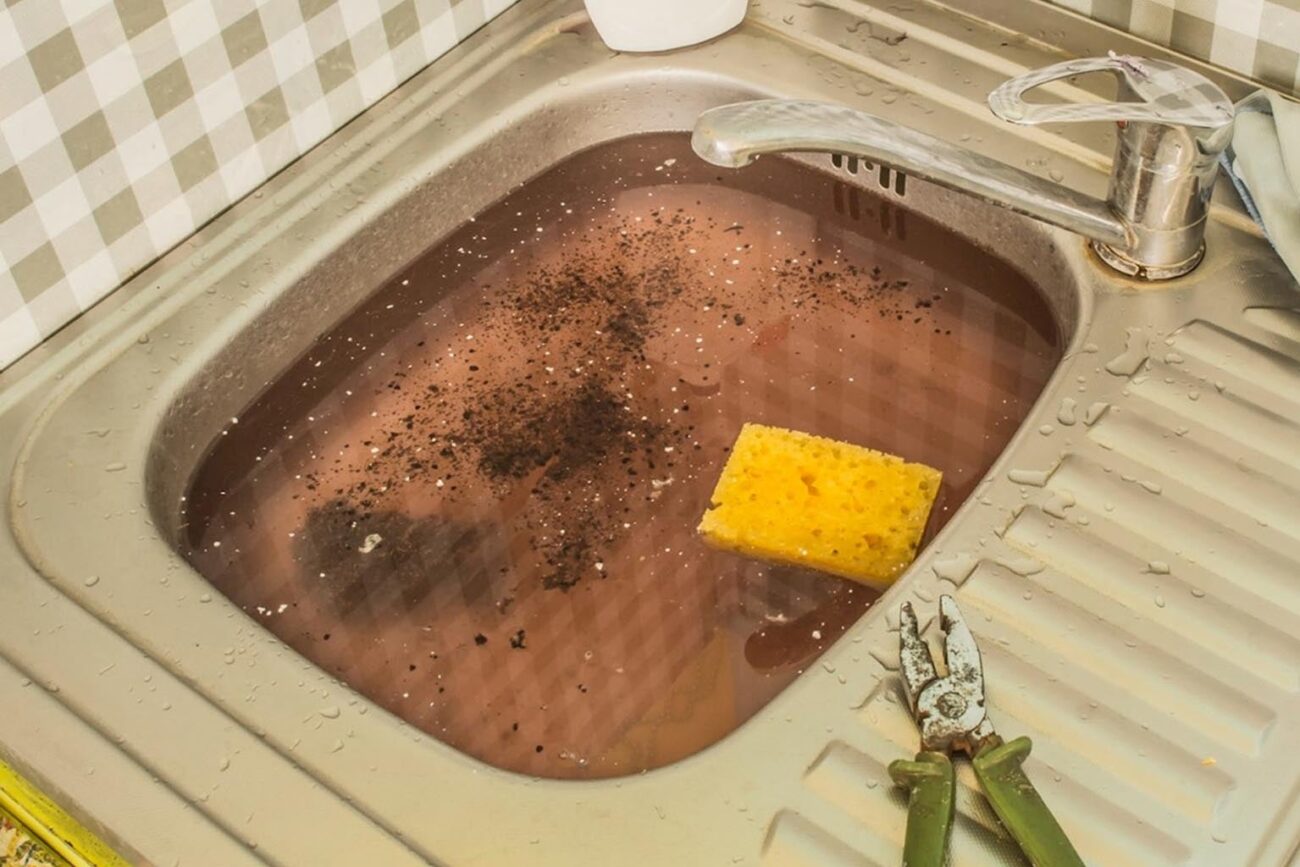
Kitchen sink clogs are a common household problem that can range from a minor inconvenience to a significant plumbing issue. While it may be tempting to call a plumber at the first sign of trouble, many clogs can be resolved with a bit of know-how and elbow grease. This article explores the top solutions for persistent kitchen sink clogs, providing you with the tools and techniques to tackle these issues head-on.
Understanding the Causes of Kitchen Sink Clogs
Before diving into solutions, it’s crucial to understand what typically causes kitchen sink clogs. The most common culprits include grease buildup, food particles, soap scum, and foreign objects. Over time, these materials can accumulate in your pipes, restricting water flow and leading to blockages.
Solution 1: Boiling Water
One of the simplest and most effective solutions for minor clogs is boiling water. This method works best for clogs caused by grease and soap scum, as the hot water helps to dissolve these substances.
Steps:
- Bring a kettle or pot of water to a boil.
- Carefully pour the boiling water directly into the sink drain.
- Wait a few minutes and then test the drain by running water.
- Repeat the process if necessary.
This method is a quick fix and is most effective when the clog is not severe. However, it might not work for more stubborn blockages caused by larger debris.
Solution 2: Baking Soda and Vinegar
The combination of baking soda and vinegar is a time-tested remedy for clogs. This natural solution is not only effective but also environmentally friendly.
Steps:
- Pour a pot of boiling water down the drain.
- Add about half a cup of baking soda and let it sit for a few minutes.
- Mix one cup of vinegar with one cup of hot water and pour it down the drain.
- Cover the drain with a plug or cloth to contain the fizzing action.
- Wait for 5-10 minutes, then flush the drain with another pot of boiling water.
This method relies on the chemical reaction between baking soda and vinegar to break down the clog. It’s particularly useful for organic matter and soap scum.
Solution 3: Plunger
A plunger is an essential tool for any home, especially for dealing with sink clogs. It uses suction and pressure to dislodge blockages.
Steps:
- Fill the sink with enough water to cover the plunger’s cup.
- Place the plunger over the drain, ensuring a good seal.
- Push and pull the plunger vigorously for about 30 seconds.
- Remove the plunger and see if the water drains properly.
- Repeat as necessary.
If the plunger doesn’t seem to work, the clog might be lodged deeper in the pipes, requiring other methods.
Solution 4: Plumbing Snake
For stubborn clogs that are resistant to plunging, a plumbing snake, or drain auger, can be a useful tool. It can reach deeper into the pipes to break up or retrieve the blockage.
Steps:
- Insert the snake into the drain and begin uncoiling it by turning the handle clockwise.
- Continue feeding the snake into the pipe until you feel resistance.
- Rotate the snake to break up the clog or latch onto it and pull it out.
- Once the clog is removed, run hot water down the drain to clear out any remaining debris.
Using a plumbing snake can be more labor-intensive but is highly effective for clogs that are beyond the reach of other methods.
Solution 5: Chemical Drain Cleaners
Although not always recommended due to their harsh nature, chemical drain cleaners can be used as a last resort. They are formulated to dissolve tough clogs quickly.
Steps:
- Choose a chemical drain cleaner suitable for your plumbing system.
- Carefully follow the instructions on the product’s label.
- Pour the recommended amount into the drain and allow it to sit for the specified time.
- Flush the drain with hot water.
Due to the chemicals involved, it’s important to use these products with caution and ensure proper ventilation. Regular use can damage pipes over time, so this method should be reserved for severe clogs.
Preventive Measures
Preventing clogs is easier and more cost-effective than dealing with them once they occur. Here are some tips to keep your kitchen sink drain clear:
- Avoid pouring grease or oil down the drain. Instead, dispose of it in a container and throw it away.
- Use a sink strainer to catch food particles and debris.
- Regularly flush your drain with hot water to prevent buildup.
- Run cold water when using the garbage disposal to solidify any grease, allowing it to be ground up and flushed away.
When to Call a Professional
While many clogs can be managed with the methods outlined above, there are times when professional help is necessary. If you experience repeated clogs, slow drainage, or if the clog is beyond your reach, it’s advisable to contact a plumber. They have the tools and expertise to handle even the most stubborn blockages.
By understanding the causes of kitchen sink clogs and employing these solutions, you can effectively manage and even prevent clogs in your home. With regular maintenance and a little effort, your kitchen sink can remain free-flowing and functional.
#ChatGPT assisted in the creation of this article.
