
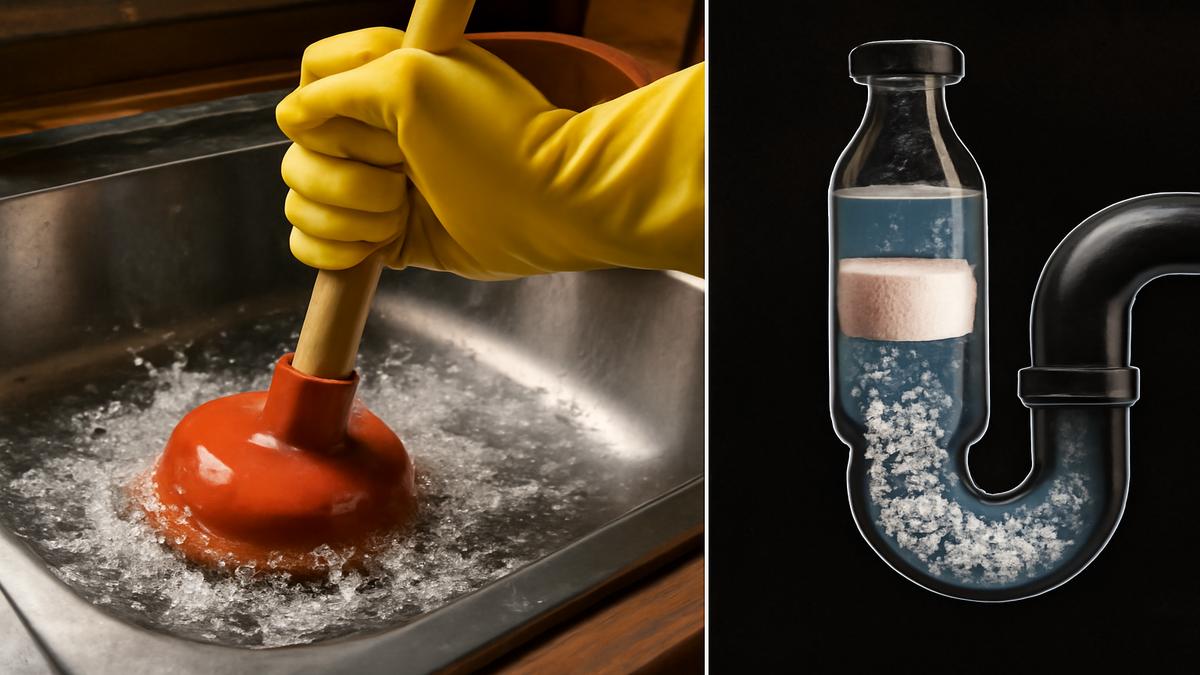
Plumbing blockages are a common household issue that can cause significant inconvenience and even lead to costly repairs if not addressed promptly. Clogs can occur in various parts of the plumbing system, including sinks, toilets, and showers, and are often caused by a buildup of hair, grease, soap, or foreign objects. While some blockages are easy to clear with basic tools, others can be stubborn and require more intensive methods. In this article, we explore top solutions for unclogging stubborn plumbing blockages, offering practical advice and techniques to restore your plumbing system to working order.
Understanding the Causes of Blockages
Before diving into solutions, it’s crucial to understand the common causes of plumbing blockages. This knowledge can help prevent future issues and guide the selection of appropriate solutions.
Hair and Soap Scum
In bathrooms, hair and soap scum are frequent culprits of clogs. Hair can easily get tangled and gather in drainpipes, while soap scum can form a sticky residue that traps other debris.
Grease and Food Particles
In kitchens, grease and food particles are the primary causes of blockages. Grease can solidify in pipes, creating a stubborn barrier, while food particles can accumulate over time, further exacerbating the problem.
Foreign Objects
Toilets and drains often suffer from blockages caused by foreign objects, such as sanitary products, wipes, or small toys. These items do not easily break down and can obstruct water flow.
Top Solutions for Unclogging Stubborn Blockages
Plunger Method
The plunger is a versatile tool that can be used to clear blockages in sinks, toilets, and drains. For effective plunging, ensure there is enough water in the fixture to cover the plunger’s rubber cup. Place the plunger directly over the drain, creating a tight seal, and use quick, forceful pushes to dislodge the clog. The suction and pressure created can often break up and move the blockage.
Plumbing Snake or Auger
A plumbing snake or auger is a flexible tool designed to navigate through pipes and reach deep-seated clogs. Insert the snake into the drain until you feel resistance, which indicates you’ve reached the blockage. Rotate the handle clockwise to latch onto the clog, then slowly pull it out. For toilets, use a toilet auger, which has a protective rubber coating to prevent damage to the porcelain.
Baking Soda and Vinegar
For a natural and non-toxic solution, try using baking soda and vinegar. Start by pouring boiling water down the drain to loosen any grease or soap scum. Follow with one cup of baking soda, then one cup of vinegar. The chemical reaction between the two will create fizzing action that can help break down the blockage. Let the mixture sit for 15-30 minutes, then flush with hot water.
Enzyme-Based Drain Cleaners
Enzyme-based drain cleaners use natural bacteria or enzymes to break down organic material, such as hair or food particles. These cleaners are environmentally friendly and safe for most types of plumbing. Follow the product instructions, and allow the enzymes time to work, usually overnight, before flushing the drain with hot water.
Wet/Dry Vacuum
A wet/dry vacuum can be an effective tool for clearing blockages in drains. Set the vacuum to the liquid setting and create a tight seal over the drain. Turn on the vacuum to suck out the clog. This method works well for clogs located near the drain opening.
Disassembling the P-Trap
If a blockage is located in a sink, disassembling the P-trap can provide direct access to the clog. Place a bucket under the trap to catch any water or debris. Unscrew the slip nuts connecting the trap to the drainpipe and remove it. Clean out any debris and reassemble the trap, ensuring all connections are tight to prevent leaks.
Hydro Jetting
For severe blockages, hydro jetting may be necessary. This method uses high-pressure water jets to clear blockages and clean the inside of pipes. Hydro jetting requires specialized equipment and is typically performed by professional plumbers. It is highly effective for stubborn clogs and can remove tree roots, grease buildup, and other obstructions.
Preventive Measures
Preventing blockages is easier than dealing with them. Here are some tips to keep your plumbing system running smoothly:
Regular Maintenance
Schedule regular maintenance with a professional plumber to inspect and clean your plumbing system. They can identify potential issues before they become major problems.
Use Drain Covers
Install drain covers or strainers in sinks and showers to catch hair, food particles, and other debris. Clean them regularly to prevent buildup.
Avoid Pouring Grease Down the Drain
Dispose of cooking grease in a container and throw it in the trash instead of pouring it down the drain. This will prevent grease from solidifying and causing blockages.
Be Mindful of What Goes Down the Toilet
Only flush toilet paper and human waste. Dispose of sanitary products, wipes, and other non-flushable items in the trash to prevent clogs.
When to Call a Professional
While many blockages can be cleared with DIY methods, some situations require the expertise of a professional plumber. If you encounter any of the following, it’s time to call in the pros:
– Persistent blockages that don’t respond to DIY solutions
– Multiple drains are clogged simultaneously
– Foul odors coming from drains
– Slow drainage even after clearing attempts
– Water backing up in unexpected places, like a sink when flushing a toilet
Professional plumbers have the tools and knowledge to diagnose and fix complex plumbing issues, ensuring your system is restored to optimal function.
Conclusion
Dealing with stubborn plumbing blockages can be frustrating, but understanding the causes and knowing effective solutions can make the process more manageable. From plungers and plumbing snakes to natural remedies and professional services, a wide range of options are available to tackle even the most persistent clogs. By implementing preventive measures and seeking professional help when needed, you can maintain a healthy plumbing system and avoid the inconvenience and expense of serious blockages.
