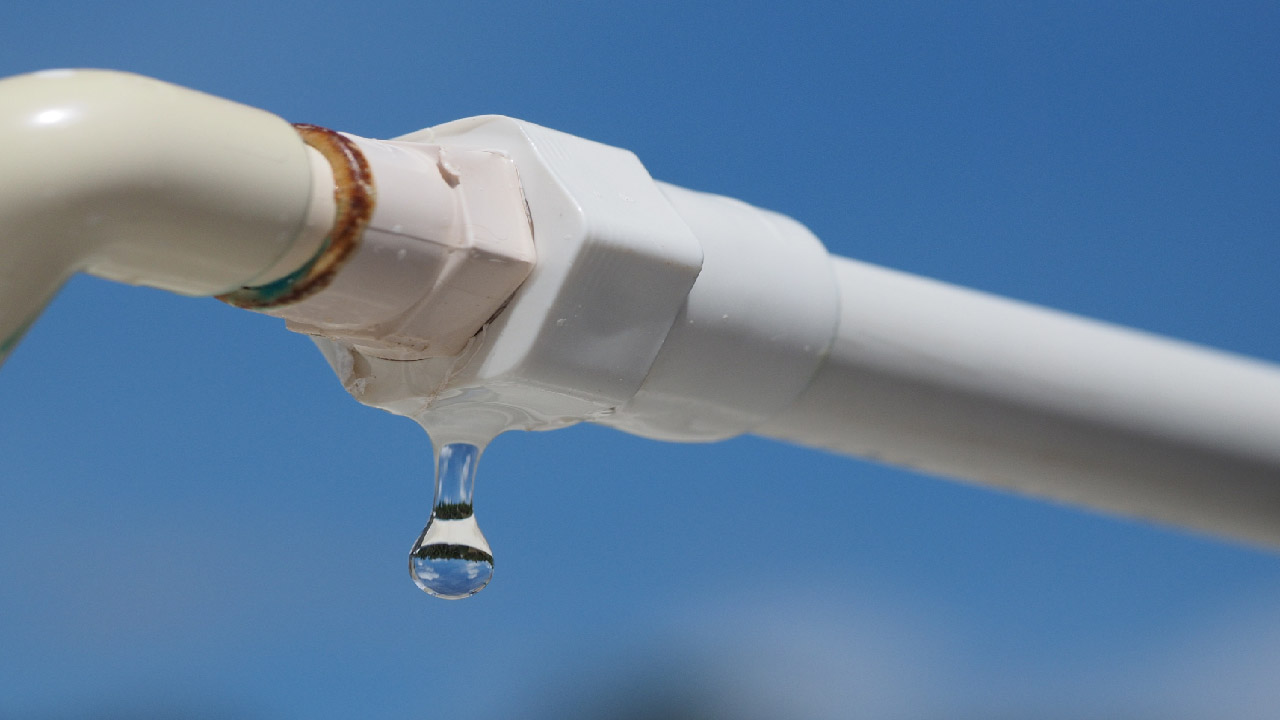
Pipe leaks are a common household issue that can result in significant water wastage, increased utility bills, and even structural damage if not addressed promptly. Whether it’s a minor drip under the sink or a more serious burst pipe, knowing how to handle these situations can save time, money, and stress. This article provides top tips for quick and effective pipe leak repair, ensuring that you can manage minor leaks efficiently and understand when it’s time to call in a professional.
Understanding the Problem
Before diving into repair techniques, it’s crucial to understand the nature of the leak. Leaks can occur due to various reasons, including corrosion, high water pressure, faulty joints, or physical damage. Identifying the root cause of the leak is the first step in ensuring a long-lasting repair.
Common Causes of Pipe Leaks
1. **Corrosion:** Over time, pipes can rust and weaken, particularly if they’re made of metal. This is more common in older homes with outdated plumbing systems.
2. **High Water Pressure:** Excessive water pressure can strain pipes and joints, leading to leaks. It’s essential to maintain water pressure within the recommended range.
3. **Faulty Joints:** The connections between pipes are often the weakest points. Improper installation or wear and tear can lead to joint leaks.
4. **Physical Damage:** Accidental impacts or construction work near pipes can cause them to crack or burst.
Preparation and Initial Steps
Before attempting any repair, it’s crucial to prepare adequately to ensure safety and effectiveness.
Turn Off the Water Supply
The first step in any pipe repair is to shut off the water supply to prevent further leakage. Locate the main water valve and turn it off. This step is critical to minimize water damage and make the repair process easier.
Drain the Pipes
Once the water supply is off, drain the pipes by opening faucets at the lowest point in the house. This will remove any remaining water in the pipes and reduce the risk of a mess during the repair.
Gather Necessary Tools and Materials
Having the right tools and materials on hand will streamline the repair process. Common tools and materials include:
– Pipe cutter or hacksaw
– Adjustable wrench
– Pipe repair clamp
– Epoxy putty
– Pipe tape (Teflon tape)
– Replacement pipe or fittings
Quick Fixes for Minor Leaks
For small leaks, temporary fixes can be effective until a more permanent solution is implemented.
Using Pipe Repair Clamps
Pipe repair clamps are an excellent quick-fix solution for minor leaks. These clamps are designed to fit around the pipe and seal the leak. To use, simply place the rubber gasket over the leak and secure the clamp tightly around it. This method is effective for pinhole leaks and small cracks.
Application of Epoxy Putty
Epoxy putty is a versatile material that can seal leaks quickly. To use, knead the putty until it is pliable, then apply it directly over the leak. Mold it around the pipe to form a seal. Epoxy putty is ideal for small leaks and can provide a temporary fix that buys you time for more extensive repairs.
Permanent Solutions for Pipe Leaks
While quick fixes are helpful, implementing a permanent repair is essential for long-term peace of mind.
Replacing Damaged Pipe Sections
For significant damage or persistent leaks, replacing the affected section of the pipe is often the best solution.
1. **Cut Out the Damaged Section:** Use a pipe cutter or hacksaw to remove the damaged section of the pipe. Ensure that the cuts are clean and even.
2. **Prepare the New Pipe Section:** Measure and cut a replacement piece of pipe to fit the gap. Ensure it matches the existing pipe’s material and diameter.
3. **Install the New Section:** Use appropriate fittings to connect the new pipe section to the existing system. Ensure all connections are secure and leak-free.
Repairing Leaks in Joints
Leaks often occur at pipe joints due to wear or improper installation. Replacing the joint or tightening it may resolve the issue.
1. **Tighten Loose Joints:** Use a wrench to tighten any loose fittings. Be careful not to overtighten, as this can cause further damage.
2. **Replace Faulty Joints:** If tightening doesn’t work, replace the joint with a new one. Ensure the new joint is compatible with the existing piping system.
Preventive Measures
Preventing pipe leaks is as important as repairing them. Regular maintenance can extend the life of your plumbing system and prevent future issues.
Regular Inspections
Conduct regular inspections of your plumbing system to identify potential problems before they become serious. Look for signs of corrosion, leaks, or high water pressure.
Maintain Optimal Water Pressure
Ensure your home’s water pressure remains within the recommended range. Consider installing a pressure regulator if necessary to prevent excessive strain on your pipes.
Update Old Plumbing Systems
If your home has an outdated plumbing system, consider upgrading it. Modern materials are more resistant to corrosion and wear, reducing the likelihood of leaks.
When to Call a Professional
While many pipe leaks can be managed with DIY repairs, some situations require professional intervention.
Extensive Damage
If the damage is extensive or the leak is in a hard-to-reach area, it’s best to call a professional plumber. They have the expertise and tools to handle complex repairs safely and effectively.
Recurrent Leaks
If you experience recurrent leaks, it may indicate a more serious underlying issue. A professional plumber can assess your system and recommend appropriate solutions.
Insurance and Warranty Considerations
For homes with plumbing warranties or insurance coverage, it’s often a requirement to have repairs conducted by licensed professionals to ensure coverage.
Conclusion
Pipe leaks can be a significant inconvenience, but with the right knowledge and tools, they can be managed effectively. By understanding the causes of leaks, using quick fixes where appropriate, and implementing permanent solutions, you can protect your home from water damage and reduce the risk of future issues. Remember, regular maintenance and inspections are key to preventing leaks, and when in doubt, don’t hesitate to seek professional help. With these top tips, you’ll be well-equipped to tackle pipe leaks with confidence and efficiency.
