
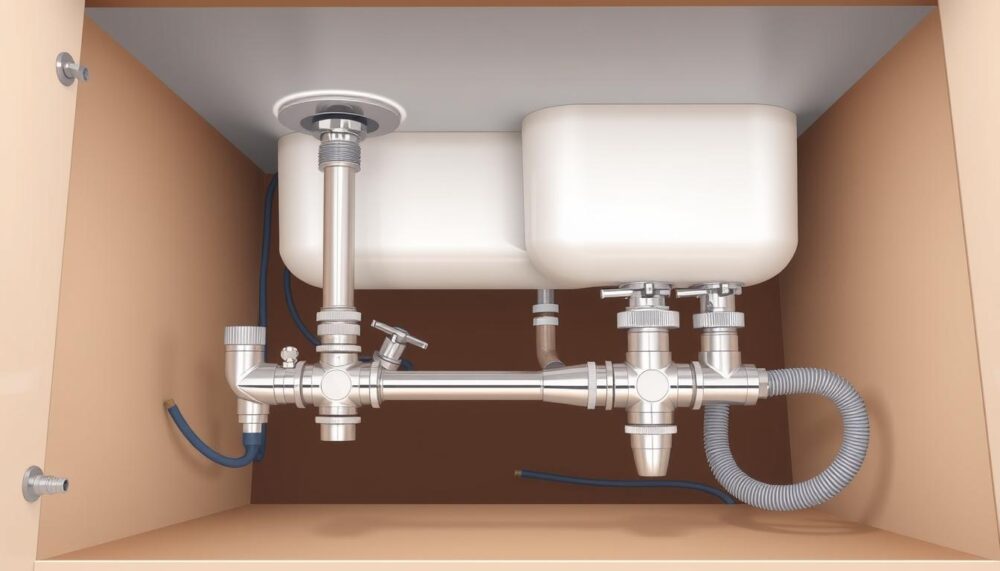
Replacing kitchen pipes might seem daunting, but with the right guidance and tools, it can be a straightforward task. Pipes play a critical role in maintaining the efficiency and functionality of your kitchen. Over time, however, they can degrade due to wear and tear, leading to leaks, clogs, and other issues. This guide will provide you with efficient tips for replacing your kitchen pipes, ensuring a smooth and effective process.
Understanding the Basics of Kitchen Plumbing
Before embarking on replacing your kitchen pipes, it’s crucial to understand the basic plumbing system in your kitchen. Typically, a kitchen’s plumbing involves a network of pipes that supply water to the sink, dishwasher, and sometimes the refrigerator, alongside a drainage system to remove wastewater.
Key components include:
- Supply pipes: These carry fresh water into your kitchen.
- Drain pipes: These remove wastewater from your kitchen.
- Vent pipes: These help prevent sewer gases from entering your home.
Signs Your Kitchen Pipes Need Replacement
Recognizing the signs that your kitchen pipes require replacement is essential. Here are some indicators:
- Leaking Pipes: Frequent leaks are a clear sign that the integrity of your pipes is compromised.
- Low Water Pressure: A decrease in water pressure can indicate corroded or clogged pipes.
- Rusty Water: Discolored water could mean your pipes are rusting from the inside.
- Unpleasant Odors: Persistent odors may be due to sewer gases leaking through damaged pipes.
Gathering Necessary Tools and Materials
Having the right tools and materials on hand is crucial for an efficient pipe replacement. Here’s a list of essentials:
- Pipe wrench
- Adjustable wrench
- Pipe cutter
- Teflon tape
- Replacement pipes (PVC, copper, or PEX)
- Pipe fittings and connectors
- Hacksaw
- Bucket and towels for cleanup
Step-by-Step Guide to Replacing Kitchen Pipes
Step 1: Turn Off the Water Supply
Locate the main water supply valve and turn it off. This is crucial to prevent water from spilling when you disconnect the pipes. Additionally, open the kitchen faucet to drain any remaining water in the pipes.
Step 2: Remove the Old Pipes
Using a pipe wrench, carefully loosen and remove the fittings connecting the old pipes. If the pipes are corroded or stuck, a hacksaw may be necessary to cut them out. Be sure to place a bucket underneath to catch any residual water.
Step 3: Measure and Cut New Pipes
Measure the length of the old pipes and cut the new pipes to size using a pipe cutter. Ensure the cuts are clean and straight to prevent leaks. For PVC pipes, use sandpaper to smooth the edges.
Step 4: Install the New Pipes
Begin by attaching the new pipes to the existing plumbing system. Use pipe fittings and connectors to secure them in place. Wrap Teflon tape around the threads of the connectors to ensure a watertight seal. Tighten the fittings using an adjustable wrench.
Step 5: Test for Leaks
Once the new pipes are in place, turn the water supply back on and check for leaks. Inspect all the connections and joints carefully. If you notice any leaks, tighten the fittings or reapply Teflon tape as needed.
Choosing the Right Type of Pipes
The material of the pipes you choose can significantly impact the durability and performance of your plumbing system. Here are common types of pipes used in kitchen plumbing:
- Copper Pipes: Known for their durability and resistance to corrosion, copper pipes are a popular choice for plumbing. They are, however, more expensive than other options.
- PVC Pipes: Lightweight and easy to install, PVC pipes are a cost-effective option for drainage systems. They are not suitable for hot water supply lines.
- PEX Pipes: Flexible and resistant to scale and chlorine, PEX pipes are ideal for both hot and cold water supply lines. They are also less expensive than copper pipes.
Maintaining Your Kitchen Plumbing System
Regular maintenance can extend the life of your kitchen plumbing system and prevent costly repairs. Here are some maintenance tips:
- Regular Inspections: Check for leaks, corrosion, or any signs of wear and tear regularly.
- Avoid Chemical Drain Cleaners: These can corrode your pipes over time. Opt for natural alternatives or use a drain snake.
- Insulate Pipes: In colder climates, insulate your pipes to prevent freezing and bursting.
When to Call a Professional
While many kitchen pipe replacements can be handled DIY, there are instances when professional intervention is necessary:
- Extensive Damage: If the damage to your pipes is extensive, a professional plumber can assess and recommend the best course of action.
- Complex Installations: For intricate systems, professional expertise ensures correct installation and prevents future issues.
- Building Codes: Professionals are familiar with local building codes and ensure your plumbing system is compliant.
Conclusion
Efficient kitchen pipe replacement is integral to maintaining a functional and safe kitchen environment. By understanding your plumbing system, recognizing when pipes need replacement, and following a structured approach to installation, you can tackle most replacement projects with confidence. Remember to choose the right type of pipes for your needs and consider professional assistance for complex issues. Regular maintenance and inspections will keep your kitchen plumbing system in optimal condition, preventing future issues and ensuring the longevity of your kitchen’s plumbing infrastructure.
#ChatGPT assisted in the creation of this article.
