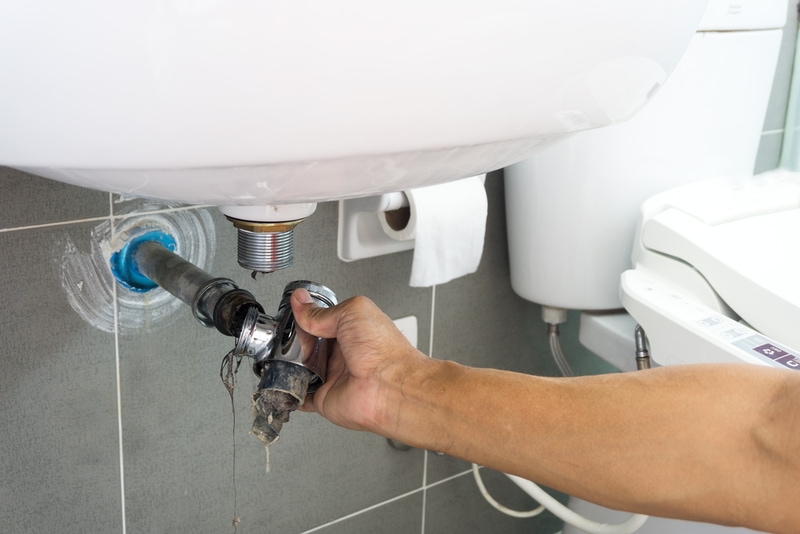
Bathroom plumbing problems can quickly turn from small inconveniences into expensive repairs if damaged pipes are ignored for too long. Corroded, leaking, or outdated pipes may lead to water damage, mold growth, poor water pressure, and increased utility bills. Whether you are renovating your bathroom or replacing aging plumbing, understanding the basics of bathroom pipe replacement can save time, money, and frustration.
This comprehensive guide explains everything homeowners need to know about bathroom pipe replacement, including warning signs, pipe types, replacement steps, costs, tools, and maintenance tips.
Why Bathroom Pipe Replacement Matters
Bathroom pipes handle a constant flow of water every day. Over time, pipes naturally deteriorate due to age, moisture exposure, corrosion, mineral buildup, and pressure changes.
Replacing old or damaged bathroom pipes can help:
- Prevent leaks and water damage
- Improve water pressure and drainage
- Reduce the risk of mold and mildew
- Increase plumbing efficiency
- Avoid emergency plumbing repairs
- Improve home value during renovations
Ignoring pipe issues may eventually result in major structural damage and expensive restoration costs.
Signs Your Bathroom Pipes Need Replacement
Understanding early warning signs can help you avoid serious plumbing issues.
Frequent Leaks
Occasional leaks can often be repaired, but repeated leaks in different areas usually indicate pipe deterioration.
Low Water Pressure
Corroded or partially blocked pipes may restrict water flow and reduce pressure in sinks, showers, and toilets.
Rust-Colored Water
Brown or discolored water may suggest internal pipe corrosion, especially in older galvanized steel systems.
Slow Drains
Persistent slow drainage could indicate pipe damage, buildup, or improper pipe slope.
Strange Noises
Banging, rattling, or whistling sounds can point to pressure problems or deteriorating plumbing connections.
Visible Corrosion
Green, white, or rusty residue around pipes may signal advanced wear and possible leaks.
Water Stains or Mold
Unexplained moisture, stains, or mold growth behind walls or under sinks often indicate hidden pipe leaks.
Common Bathroom Pipe Types
Different homes use different pipe materials. Understanding them helps determine the best replacement option.
PVC Pipes
PVC (Polyvinyl Chloride) pipes are commonly used for drain and waste lines.
Advantages:
- Affordable
- Lightweight
- Corrosion-resistant
- Easy to install
Disadvantages:
- Not suitable for hot water supply lines
- Can crack under extreme temperatures
PEX Pipes
PEX (Cross-linked Polyethylene) is one of the most popular modern plumbing materials.
Advantages:
- Flexible and easy to install
- Resistant to corrosion and freezing
- Cost-effective
- Durable
Disadvantages:
- Sensitive to UV exposure
- Requires special connectors
Copper Pipes
Copper has been widely used in residential plumbing for decades.
Advantages:
- Long lifespan
- Heat-resistant
- Reliable and durable
Disadvantages:
- More expensive
- Requires soldering
- Can corrode in certain water conditions
Galvanized Steel Pipes
Older homes may still contain galvanized steel pipes.
Advantages:
- Strong and durable
Disadvantages:
- Highly prone to corrosion
- Heavy
- Often responsible for low water pressure
Most homeowners replace galvanized pipes with PEX or copper systems.
Bathroom Pipes Commonly Replaced
Bathroom pipe replacement often involves one or more of the following:
- Sink supply lines
- Drain pipes
- Shower plumbing
- Bathtub drains
- Toilet supply lines
- Vent pipes
- Main bathroom water lines
The extent of replacement depends on the age and condition of the plumbing system.
Essential Tools for Pipe Replacement
Having the correct tools makes the job safer and easier.
Basic Plumbing Tools
- Pipe wrench
- Adjustable wrench
- Pipe cutter
- Plumber’s tape
- Bucket
- Plunger
- Screwdrivers
- Adjustable pliers
Advanced Tools
- PEX crimping tool
- Drain auger
- Pipe inspection camera
- Soldering torch (for copper)
