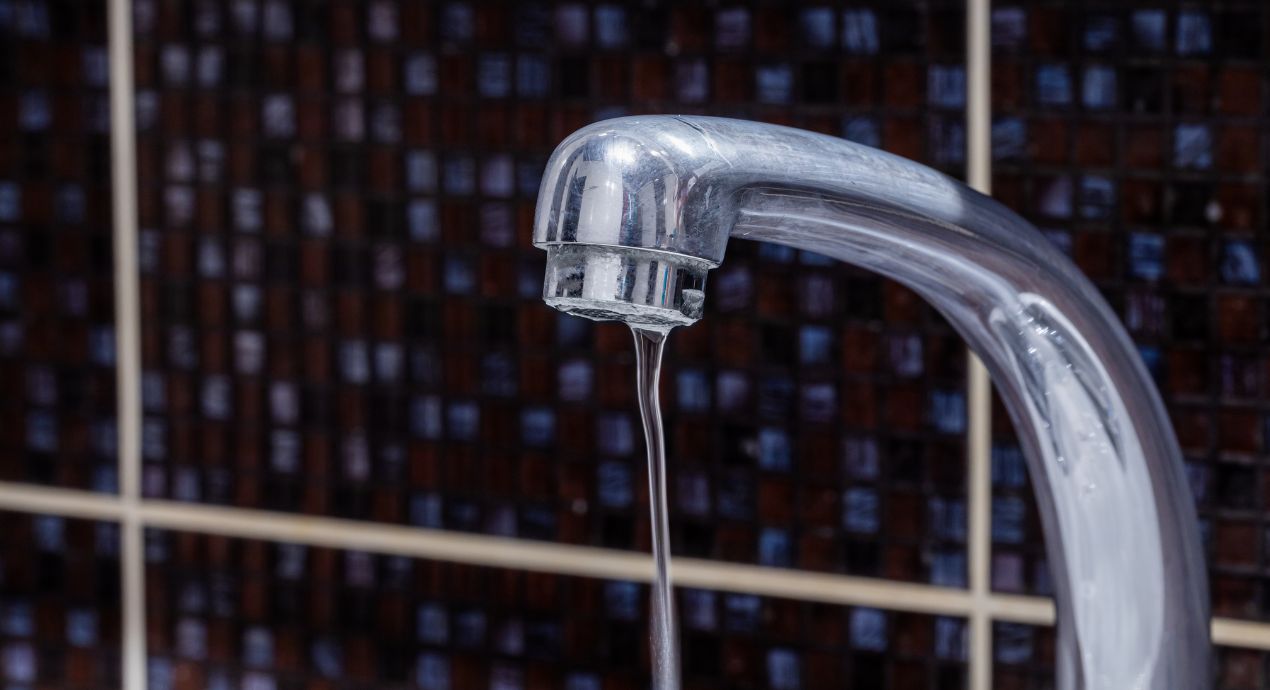
Low water pressure can be more than just a minor inconvenience. It affects your day-to-day activities, from taking showers and washing dishes to doing laundry and watering your garden. Fortunately, solving low water pressure issues can be straightforward if you know where to look and what to do. In this comprehensive guide, we will walk you through the most common causes of low water pressure and provide practical solutions to restore your water flow quickly and efficiently.
Understanding Water Pressure
Water pressure refers to the force or strength at which water flows through your pipes. It is typically measured in pounds per square inch (PSI). A standard residential water pressure is usually between 40 to 60 PSI. Anything below 40 PSI is considered low and may require attention. Understanding your home’s normal water pressure is the first step in diagnosing any potential issues.
Common Causes of Low Water Pressure
Before diving into solutions, it’s essential to identify the underlying cause of low water pressure. Here are some common culprits:
1. Faulty Pressure Regulator
A pressure regulator is a valve that reduces the input pressure in a plumbing system to a manageable level. If it fails, the water pressure can drop significantly, affecting the entire household.
2. Clogged Pipes
Over time, pipes can become clogged with mineral deposits, rust, or debris, which can significantly impede water flow. This is especially common in homes with hard water.
3. Leaking Pipes
Leaks reduce water pressure as water escapes the system before reaching its intended destination. This is often noticeable through wet spots, mold, or a sudden increase in your water bill.
4. Partially Closed Shutoff Valve
If someone has recently worked on your plumbing, they might not have fully opened the main shutoff valve, leading to reduced water pressure.
5. Municipal Water Supply Issues
Sometimes the issue lies outside your home. Maintenance work or problems with the municipal water supply can temporarily reduce water pressure.
Steps to Diagnose Low Water Pressure
Before you can fix the problem, you need to pinpoint the source. Follow these steps to diagnose the issue:
1. Test the Water Pressure
Use a pressure gauge to measure the water pressure at an outdoor hose bib or faucet. This will give you a baseline and help you determine if the pressure is indeed low.
2. Check Multiple Fixtures
Determine whether the low pressure is isolated to one fixture or affects the entire house. This can help narrow down potential causes.
3. Inspect Visible Pipes
Look for signs of leaks, corrosion, or blockages in visible pipes. This can include wet spots, rust, or mineral buildups.
4. Contact Your Water Supplier
Reach out to your local water provider to see if there are any known issues or maintenance work that might be affecting your water pressure.
Solutions to Fix Low Water Pressure
Once you have identified the cause, you can take the following steps to restore your water pressure:
1. Adjust or Replace the Pressure Regulator
If your pressure regulator is faulty, you may need to adjust or replace it. This involves turning the adjustment screw to increase pressure or hiring a professional for replacement.
2. Clean or Replace Clogged Pipes
If mineral deposits are clogging your pipes, consider using a pipe cleaning solution or hiring a plumber to professionally clean or replace the pipes.
3. Fix Leaking Pipes
Repair any leaks by replacing damaged sections of pipe or sealing small leaks with epoxy. It’s advisable to contact a professional for significant leaks.
4. Fully Open the Shutoff Valve
Ensure that the main shutoff valve is fully open. This is a simple fix that can resolve pressure issues quickly.
5. Install a Home Booster Pump
If your area has consistently low municipal water pressure, consider installing a booster pump to increase water flow into your home.
Preventive Measures to Maintain Optimal Water Pressure
Once you’ve resolved your water pressure issues, take these preventive measures to maintain optimal pressure:
1. Regular Maintenance
Schedule regular plumbing inspections to catch potential issues before they escalate. This includes checking pressure regulators, valves, and pipes.
2. Install Water Softening Systems
If you have hard water, installing a water softener can prevent mineral buildup in pipes, preserving water pressure.
3. Monitor Water Usage
Be mindful of water usage during peak times. Stagger the use of water-heavy appliances to maintain pressure.
When to Call a Professional
While many water pressure issues can be resolved independently, certain situations warrant professional help:
1. Persistent Low Pressure
If you’ve tried all the above solutions and still experience low water pressure, it’s time to call a plumber.
2. Complex Plumbing Systems
Homes with intricate plumbing systems or those on a shared water supply line may require professional assessment and solutions.
3. Major Leaks or Pipe Damage
Significant leaks or damaged pipes should be handled by professionals to prevent further damage and costly repairs.
Conclusion
Low water pressure can disrupt your daily life, but it’s often a problem with straightforward solutions. By understanding the causes and employing the right fixes, you can restore your home’s water pressure quickly and efficiently. Regular maintenance and being proactive about potential issues can help you avoid future problems, ensuring a steady and reliable water flow for your household needs.
#ChatGPT assisted in the creation of this article.
