
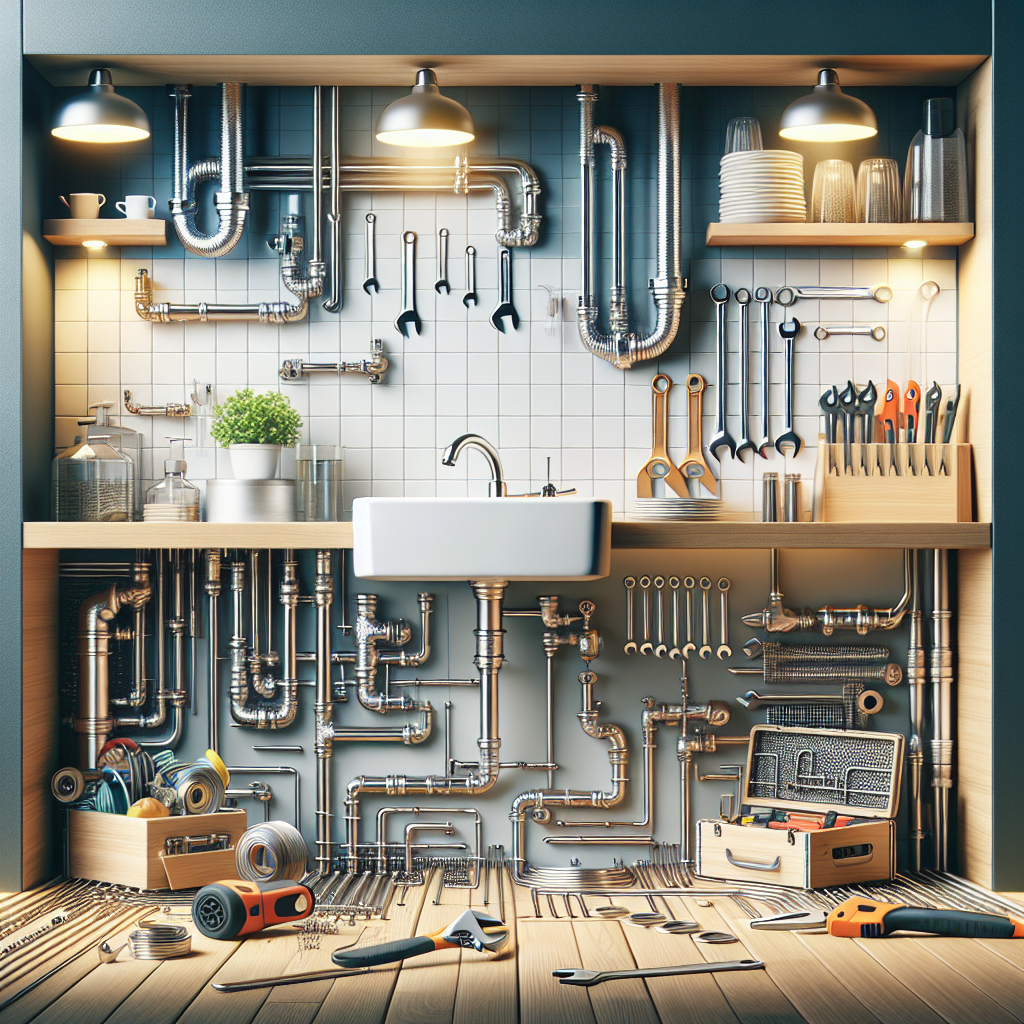
The kitchen is often considered the heart of the home, and its plumbing infrastructure plays a crucial role in its functionality. Whether you’re renovating your kitchen, troubleshooting plumbing issues, or simply aiming to understand your home’s systems better, a solid grasp of kitchen plumbing can be invaluable. This guide provides homeowners with comprehensive insights into kitchen plumbing, covering everything from basic components to maintenance tips and troubleshooting common issues.
Understanding Kitchen Plumbing Components
To effectively manage and maintain your kitchen plumbing, it’s essential first to understand the key components involved. Below is an overview of the primary elements that make up a typical kitchen plumbing system:
Faucets and Sinks
The faucet and sink are central to any kitchen plumbing setup. Faucets come in various styles and functionalities, including single-handle, double-handle, pull-out, and touchless models. Sinks are available in materials like stainless steel, porcelain, and composite, each offering different benefits in terms of durability and aesthetics.
Supply Lines
Supply lines carry water from the main supply to your kitchen faucet and appliances. They are typically made of copper, PEX, or braided stainless steel. Ensuring that these lines are in good condition is crucial to prevent leaks and maintain water pressure.
Drain Pipes
Drain pipes are responsible for removing wastewater from the sink and other kitchen fixtures. They are usually made of PVC or ABS plastic, which are both durable and resistant to corrosion. Proper installation and maintenance are key to preventing clogs and backups.
Garbage Disposal
A garbage disposal unit is an optional but popular appliance that grinds food waste into small particles, making it easier for waste to pass through the plumbing system. Regular maintenance, such as cleaning and proper usage, is essential to prevent blockages.
Dishwasher Connections
The dishwasher is connected to the kitchen’s plumbing system via water supply and drain lines. Ensuring these connections are secure and leak-free is vital for efficient dishwasher operation and to prevent water damage.
Installing and Upgrading Kitchen Plumbing
Whether you’re installing new fixtures or upgrading existing ones, understanding the installation process can save you time and money. Here are some key considerations:
Choosing the Right Fixtures
Select fixtures and appliances that match your kitchen’s style and meet your functional needs. Consider factors like water efficiency, ease of use, and compatibility with existing plumbing.
DIY vs. Professional Installation
While some plumbing tasks can be handled by homeowners with a bit of DIY experience, others may require professional expertise. Installing faucets, connecting supply lines, and even installing garbage disposals can be manageable DIY projects. However, more complex tasks, like altering drain lines or installing new appliances, may be best left to professionals to ensure compliance with local codes and regulations.
Permits and Codes
Before starting any significant plumbing project, check with your local municipality regarding permits and building codes. Adhering to these regulations not only ensures safety but also avoids potential legal issues down the line.
Maintaining Your Kitchen Plumbing
Regular maintenance is key to prolonging the life of your kitchen plumbing system and preventing costly repairs. Here are some maintenance tips:
Regular Inspection
Conduct periodic inspections of your kitchen plumbing. Look for signs of leaks, corrosion, or wear and tear. Early detection of issues can prevent more significant problems.
Preventing Clogs
To avoid clogs, be mindful of what goes down your sink. Avoid pouring grease, coffee grounds, and fibrous foods down the drain. Use a drain strainer to catch debris and clean it regularly.
Maintaining Garbage Disposal
Run cold water while using the garbage disposal and for a few seconds after turning it off to help flush down food particles. Periodically clean the disposal with a mixture of vinegar and baking soda to eliminate odors and buildup.
Checking for Leaks
Monitor under-sink areas and connections for leaks. Even small drips can lead to water damage and mold growth over time. Address leaks promptly by tightening connections or replacing faulty components.
Troubleshooting Common Kitchen Plumbing Problems
Even with regular maintenance, plumbing issues can arise. Here are some common problems and their solutions:
Low Water Pressure
If your kitchen faucet has low water pressure, check the aerator for buildup and clean it. If the problem persists, inspect the supply lines for blockages or leaks.
Clogged Drains
For minor clogs, try using a plunger or a mixture of baking soda and vinegar. If the clog is severe, a plumber’s snake or a professional plumber may be needed to clear the obstruction.
Leaky Faucets
A dripping faucet often results from worn-out washers or seals. Replacing these components is typically straightforward and can significantly reduce water waste.
Dishwasher Issues
If your dishwasher isn’t draining properly, check the drain hose for kinks or clogs. Ensure the garbage disposal (if connected) is clear, as blockages there can affect dishwasher drainage.
When to Call a Professional
While many kitchen plumbing issues can be resolved with some DIY effort, certain situations warrant professional intervention:
Persistent Leaks
If you’ve attempted to fix a leak multiple times without success, it’s best to call a professional. They can identify underlying issues and provide a permanent solution.
Major Remodels
For extensive kitchen renovations involving plumbing changes, a professional plumber ensures that all work is up to code and that the new system integrates seamlessly with your home’s existing plumbing.
Sewer Line Problems
Issues with the sewer line, such as backups or foul odors, require professional assessment and repair. These problems can cause significant damage if not addressed promptly.
Conclusion
Understanding and maintaining your kitchen plumbing not only enhances the functionality and safety of your home but also contributes to long-term cost savings. By familiarizing yourself with the components, installation processes, and maintenance techniques outlined in this guide, you can confidently manage your kitchen plumbing system. Remember, while DIY efforts can resolve many issues, don’t hesitate to seek professional help when needed to protect your home and investment.
