Maintaining a well-functioning plumbing system is essential for any household or commercial building. Proper plumbing maintenance not only ensures a continuous supply of water but also prevents leaks, water damage, and costly repairs. This comprehensive guide will provide you with valuable insights and tips on keeping your pipes pristine, ensuring your plumbing system remains in top-notch condition.
Understanding Your Plumbing System
Before diving into maintenance tips, it’s crucial to understand the basics of your plumbing system. Typically, a plumbing system consists of two main subsystems: the water supply system and the drainage system. The water supply system delivers clean water to your home, while the drainage system removes wastewater. Both systems work together to ensure efficient water flow and disposal.
Water Supply System
The water supply system comprises pipes, valves, and fixtures that deliver fresh water to various parts of your home. It connects to the municipal water supply or a private well. Key components include:
1. Pipes
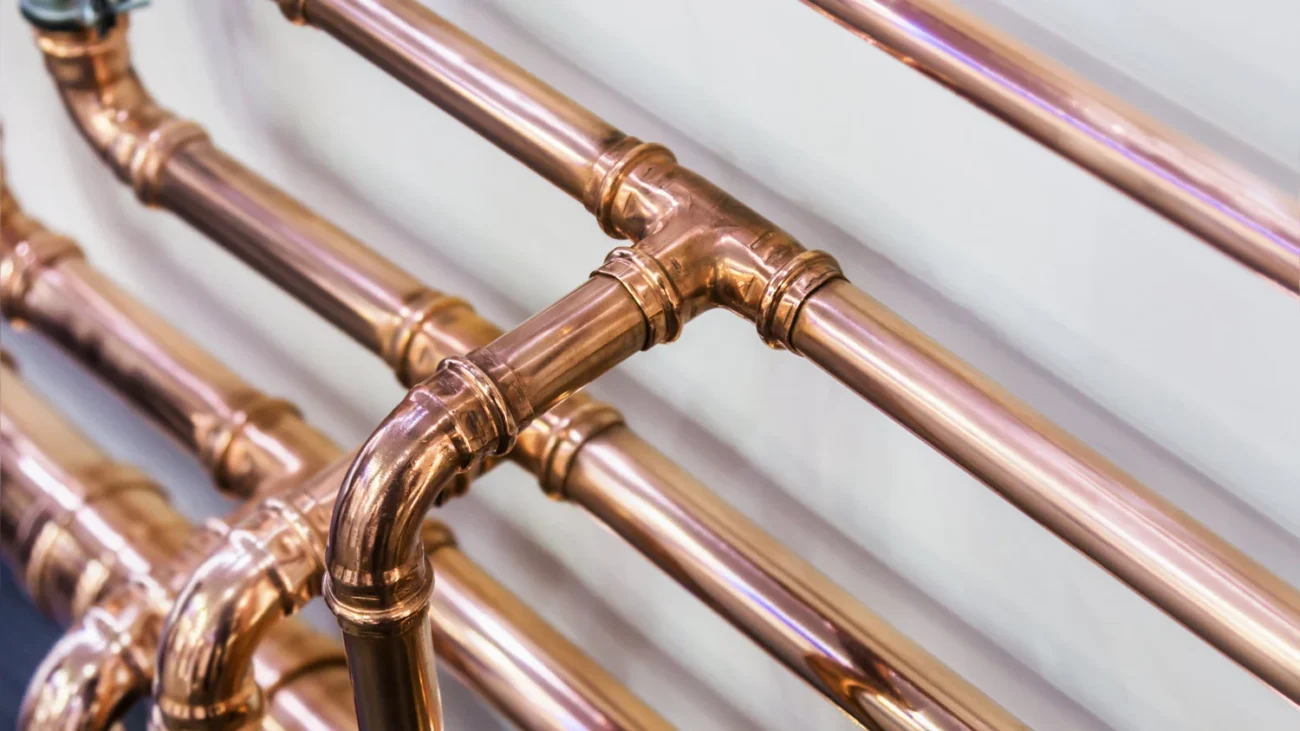
Made from materials like copper, PVC, or PEX, pipes transport water throughout your home.
2. Valves
These control the flow of water and are essential for isolating sections of the plumbing system for repairs.
3. Fixtures
Faucets, showers, and toilets are examples of fixtures that dispense water in your home.
Drainage System
The drainage system is designed to remove wastewater efficiently, preventing backups and leaks. Key components include:
1. Drain Pipes
These pipes carry wastewater away from your home to the sewer system or septic tank.
2. Traps
Installed under sinks and other fixtures, traps prevent sewer gases from entering your home.
3. Vent Pipes
These pipes allow air to enter the drainage system, facilitating proper water flow and preventing suction.
Regular Maintenance Tips
Consistent maintenance is the key to keeping your plumbing system in excellent condition. Here are some essential maintenance tips:
1. Inspect for Leaks
Regularly check for leaks in pipes, faucets, and fixtures. Even small leaks can lead to significant water wastage and damage over time. Fix any leaks promptly to prevent further issues.
2. Clean Drains
Clogged drains can cause backups and damage to your plumbing system. Use a combination of hot water, baking soda, and vinegar to clean drains regularly. Avoid using chemical drain cleaners, as they can damage pipes.
3. Maintain Water Pressure
Monitor your home’s water pressure using a pressure gauge. Ideal water pressure ranges from 40 to 60 psi. High-pressure levels can damage pipes and fixtures, while low pressure may indicate a problem with the water supply.
4. Inspect Water Heater
Check the water heater for leaks, corrosion, and sediment buildup. Flush the tank annually to remove sediment and improve efficiency. Ensure the temperature setting is at 120°F to prevent scalding and save energy.
5. Insulate Pipes
Insulating pipes in unheated areas like basements and attics can prevent freezing during cold months. Frozen pipes can burst, leading to extensive water damage.
6. Test Sump Pump
If you have a sump pump, test it regularly to ensure it’s functioning correctly. Pour water into the sump pit to check if the pump activates and drains water efficiently.
Seasonal Maintenance
Different seasons bring unique challenges to your plumbing system. Here’s how to prepare and maintain your plumbing system year-round:
Spring
– Inspect outdoor faucets and hose bibs for leaks or damage from winter freezing.
– Check for slow drains and address any clogs.
– Ensure gutters and downspouts are clear to prevent water from pooling around your home’s foundation.
Summer
– Inspect and clean sprinkler systems to ensure efficient operation.
– Check for leaks in outdoor spigots and hoses.
– Monitor water pressure and adjust irrigation systems accordingly.
Fall
– Drain and disconnect garden hoses to prevent freezing.
– Inspect and clean gutters to prepare for falling leaves.
– Test your sump pump to ensure it’s ready for potential heavy rain.
Winter
– Insulate exposed pipes to prevent freezing.
– Keep cabinet doors open in kitchens and bathrooms to allow warm air to circulate around pipes.
– Let faucets drip during extremely cold temperatures to prevent freezing.
Signs of Plumbing Issues
Being aware of warning signs can help you address plumbing issues before they become major problems:
1. Slow Drains
Slow drains are often a sign of a clog or blockage in the pipes. Address this promptly to prevent backups.
2. Strange Noises
Banging or gurgling sounds in pipes can indicate air in the system or a problem with the water pressure.
3. Water Discoloration
Discolored water can indicate rust or sediment buildup in pipes or issues with the water heater.
4. Foul Odors
Unpleasant smells from drains or fixtures may indicate a sewer line issue or a dry trap.
When to Call a Professional Plumber
While regular maintenance can prevent many plumbing problems, some issues require the expertise of a professional plumber. Here are situations when you should consider calling a professional:
1. Persistent Leaks
If you’ve tried to fix a leak but it persists, a professional plumber can identify and resolve the root cause.
2. Major Clogs
Severe clogs that don’t respond to DIY methods may require professional tools and expertise.
3. Water Pressure Problems
If you’re unable to diagnose or fix water pressure issues, a plumber can perform a comprehensive assessment.
4. Sewer Line Issues
Problems with the sewer line, such as frequent backups or foul odors, require immediate attention from a professional.
Conclusion
Maintaining your plumbing system is crucial for ensuring a safe and comfortable home environment. By understanding the components of your plumbing system, regularly inspecting for issues, and performing seasonal maintenance, you can keep your pipes pristine and avoid costly repairs. Remember, when in doubt, don’t hesitate to seek the expertise of a professional plumber. With proper care and attention, your plumbing system will serve you well for years to come.
