Plumbing issues can be daunting, but with a little knowledge and the right tools, many common problems can be resolved quickly and efficiently. This guide will walk you through some of the most frequent plumbing troubles you might encounter in your home and provide you with practical solutions for a quick fix.
Understanding Your Plumbing System
Before diving into specific issues, it’s crucial to have a basic understanding of your home’s plumbing system. Typically, a residential plumbing system consists of two subsystems: the water supply system, which brings fresh water into your home, and the drainage system, which removes wastewater. Familiarizing yourself with the location of shut-off valves, traps, and main water lines will aid you in troubleshooting and resolving problems efficiently.
Common Plumbing Problems and Solutions
Leaky Faucets
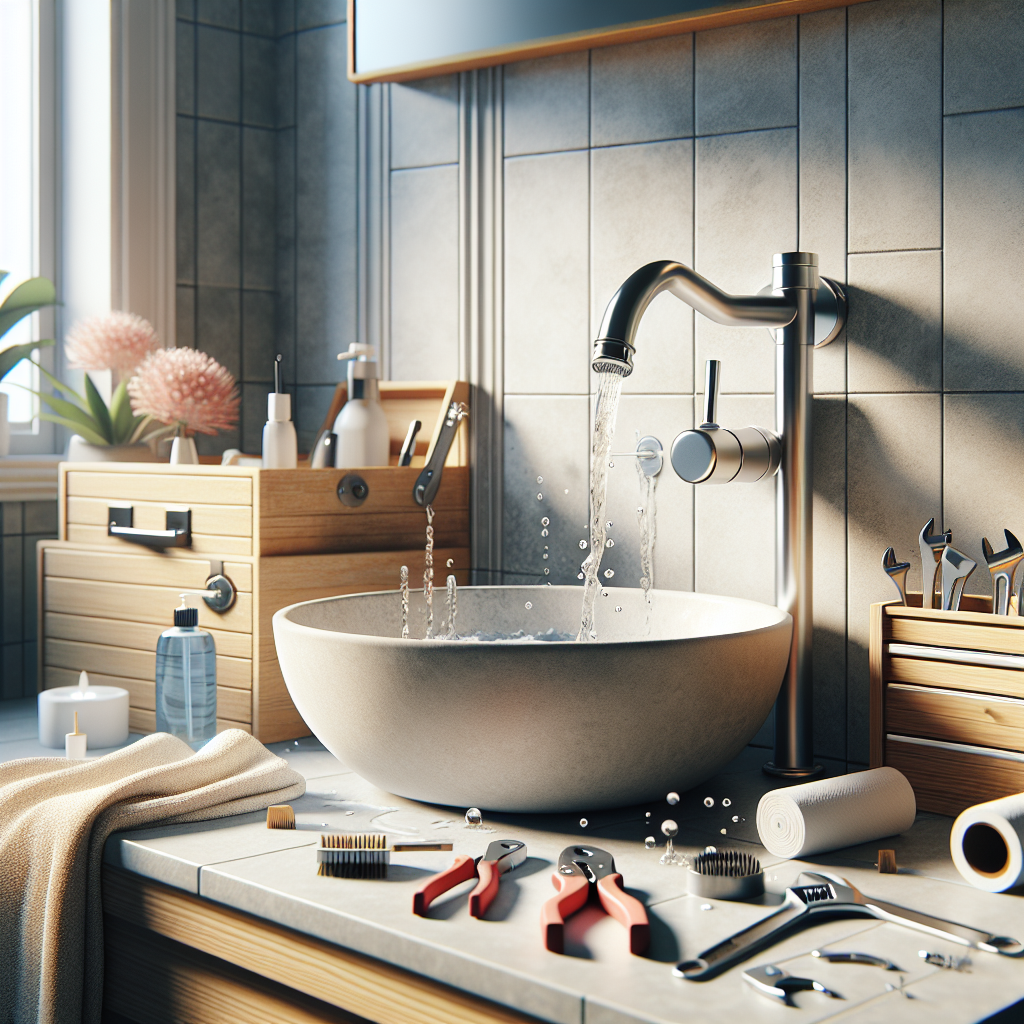
Leaky faucets are one of the most common plumbing issues and can waste a significant amount of water over time. The primary cause is typically a worn-out washer or O-ring.
- Turn off the water supply to the faucet.
- Remove the handle and the nut holding the stem in place using a wrench.
- Inspect the washer and O-ring; replace them if they appear worn or damaged.
- Reassemble the faucet and turn the water supply back on.
Clogged Drains
Clogged drains are another frequent issue that can cause slow drainage or complete blockage. Hair, soap scum, and grease are typical culprits.
- Use a plunger to attempt to dislodge the blockage.
- If plunging doesn’t work, consider using a drain snake or auger to reach deeper clogs.
- As a preventive measure, regularly clean your drains with a mixture of baking soda and vinegar.
Running Toilets
A running toilet can be both annoying and costly due to increased water bills. The problem usually stems from a faulty flapper or fill valve.
- Check the flapper for any signs of wear or mineral deposits that may prevent it from sealing properly.
- If the flapper is damaged, replace it with a new one.
- Inspect the fill valve for proper operation and adjust it if necessary.
Low Water Pressure
Low water pressure can affect your daily activities and is often caused by mineral buildup in pipes or fixtures.
- Check the aerators on faucets and clean them if they are clogged with debris.
- Inspect the showerheads and soak them in vinegar to remove mineral deposits.
- If the problem persists, consider contacting a professional plumber to inspect your water lines for blockages or leaks.
Water Heater Issues
Problems with your water heater can leave you without hot water, and common issues include a malfunctioning thermostat or sediment buildup.
- Check the thermostat setting and adjust it if necessary.
- Drain the water heater tank to flush out sediment and improve efficiency.
- If the heater is still not functioning properly, it might be time to replace it or consult a professional for service.
Tools You Need for Plumbing Troubleshooting
Having the right tools on hand can make a significant difference when tackling plumbing repairs. Here’s a list of essential tools that every homeowner should have:
- Plunger: Effective for clearing clogs in sinks, toilets, and bathtubs.
- Pipe Wrench: Useful for gripping and turning pipes and fittings.
- Adjustable Wrench: Ideal for tightening or loosening nuts and bolts.
- Plumber’s Tape: Helps create a watertight seal when joining pipes.
- Drain Snake/Auger: Helpful for removing stubborn clogs.
- Bucket and Towels: Essential for catching water and cleaning up spills.
Preventive Maintenance Tips
Preventive maintenance can save you time and money by reducing the likelihood of plumbing issues. Here are some tips to keep your system running smoothly:
- Regularly inspect your plumbing for leaks and address them promptly.
- Install drain screens to catch debris and prevent clogs.
- Schedule annual water heater maintenance, including flushing the tank and checking the anode rod.
- Be mindful of what you put down your drains; avoid pouring grease or food scraps.
When to Call a Professional
While many plumbing issues can be resolved with DIY solutions, some situations require the expertise of a professional plumber:
- If you encounter persistent or severe leaks that you cannot fix.
- When dealing with sewer line problems or major pipe blockages.
- If you suspect a gas line issue or detect a gas odor.
- For complex installations such as water heaters or major renovations.
Conclusion
Plumbing problems are an inevitable part of homeownership, but with this troubleshooting guide, you’re better equipped to handle common issues swiftly and effectively. Remember that understanding your plumbing system, regular maintenance, and having the right tools are key to keeping your plumbing in top shape. For complex or persistent problems, don’t hesitate to seek professional assistance to ensure your home remains safe and functional.
#ChatGPT assisted in the creation of this article.
