
A clogged shower drain is a common household nuisance that can lead to standing water, unpleasant odors, and even water damage if not addressed promptly. While calling a plumber is always an option, there are several effective DIY techniques you can employ to unclog your shower drain before seeking professional help. This article will guide you through proven methods and provide tips on preventing future clogs.
Understanding the Cause of Clogs
Before diving into the solutions, it’s essential to understand what typically causes shower drain clogs. Hair is the most common culprit, as it tends to bind with soap scum and other debris, forming stubborn blockages. Other potential causes include:
- Soap Scum: Over time, soap can build up and create a solid mass inside pipes.
- Mineral Buildup: Hard water can leave mineral deposits, narrowing the pipe’s diameter.
- Small Objects: Jewelry, bottle caps, or other small items accidentally washed down the drain.
Tools and Materials You’ll Need
Before you start, gather the following tools and materials to make the process smoother:
- Plunger
- Drain Snake or Auger
- Rubber Gloves
- Baking Soda
- White Vinegar
- Boiling Water
- Bucket
- Old Toothbrush or Scrub Brush
- Pliers or Screwdriver (for removing the drain cover)
Step-by-Step DIY Techniques
1. Remove the Drain Cover
First, remove the drain cover. Use a screwdriver or pliers, depending on your drain type. Be sure to keep the screws safe to avoid losing them. Once removed, check for visible debris and hair and remove as much as possible with your fingers or a tool.
2. Use a Plunger
A plunger can be effective for minor clogs. Ensure there is enough water in the shower to cover the plunger’s base. Place the plunger over the drain and pump vigorously several times. The suction and pressure can often dislodge the blockage. Test the drain by running water to see if the clog is cleared.
3. Baking Soda and Vinegar Method
This natural method is both effective and environmentally friendly. Pour about half a cup of baking soda down the drain, followed by a cup of white vinegar. The chemical reaction will fizz and can help break down the clog. Let it sit for 15-30 minutes, then flush with boiling water. This method is excellent for dissolving soap scum and minor blockages.
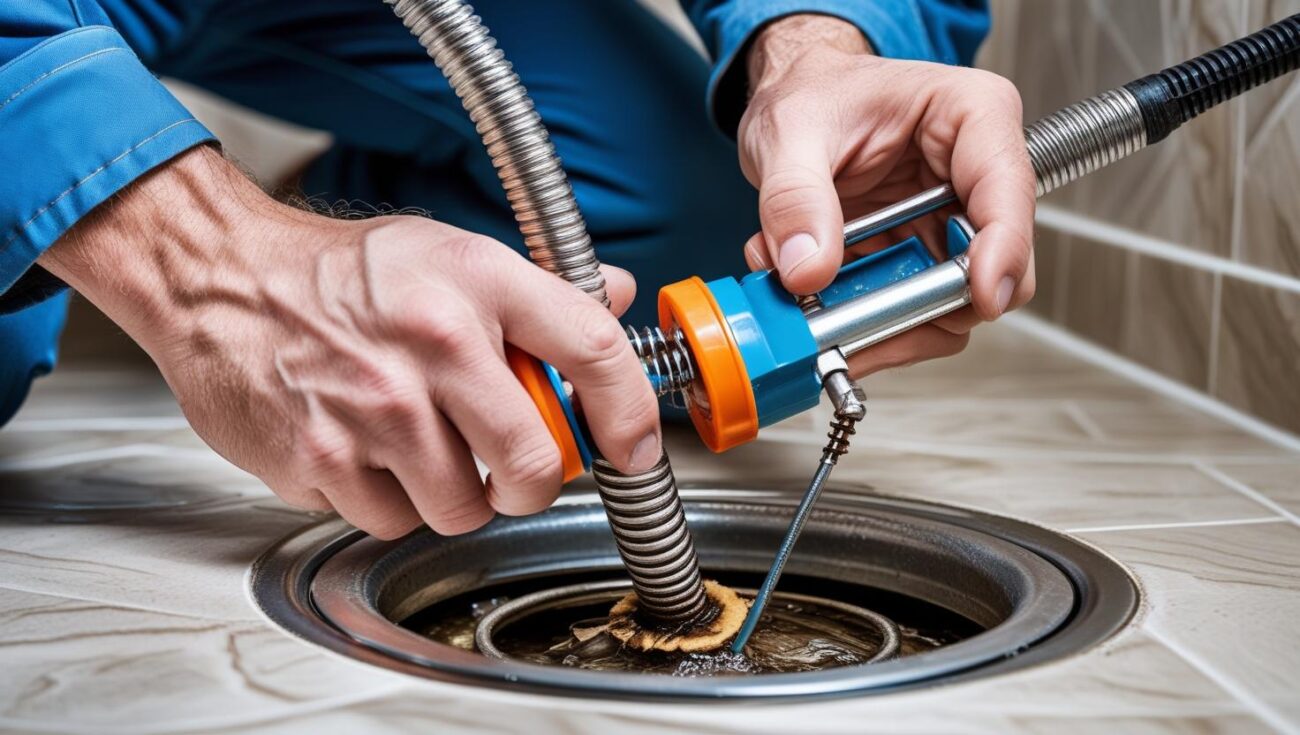
4. Use a Drain Snake or Auger
For more stubborn clogs, a drain snake or auger can be very effective. Insert the snake into the drain until you feel resistance. Turn the handle to latch onto the clog, then gently pull it out. This method is particularly good for removing hair and other solid debris deep within the pipe.
5. Boiling Water
Boiling water can be surprisingly effective, especially for soap scum and grease clogs. Carefully pour boiling water down the drain in stages, allowing it to work through any blockages. However, use caution with PVC pipes, as excessive heat can damage them.
6. Manual Removal
If the clog is reachable, use an old toothbrush or scrub brush to manually remove debris. Be sure to wear rubber gloves for protection and hygiene. This method is particularly useful for clogs near the surface.
Preventing Future Clogs
While it’s essential to know how to unclog a shower drain, prevention is always better than cure. Here are some tips to keep your drains clear:
- Use a Drain Cover: Install a mesh drain cover to catch hair and larger debris.
- Regular Maintenance: Clean the drain regularly with baking soda and vinegar to prevent buildup.
- Mind What Goes Down the Drain: Avoid washing small objects or excessive soap down the drain.
- Rinse with Hot Water: After each shower, run hot water to clear away soap and debris.
When to Call a Professional
While these DIY techniques are effective for most clogs, there are times when professional help is necessary. Call a plumber if:
- The clog persists after trying multiple methods.
- You notice water backing up in other drains, indicating a larger plumbing issue.
- There is a foul odor that doesn’t dissipate, suggesting a deeper problem.
Conclusion
Unclogging a shower drain doesn’t have to be a daunting task. With the right tools and techniques, you can handle most clogs yourself without the need for professional assistance. By understanding the common causes of clogs and taking preventive measures, you can reduce the likelihood of future blockages and maintain a smoothly functioning shower drain. However, don’t hesitate to contact a professional if you encounter persistent or severe issues. Regular maintenance and mindful usage are key to preventing clogs and ensuring your plumbing system remains in top condition.
