
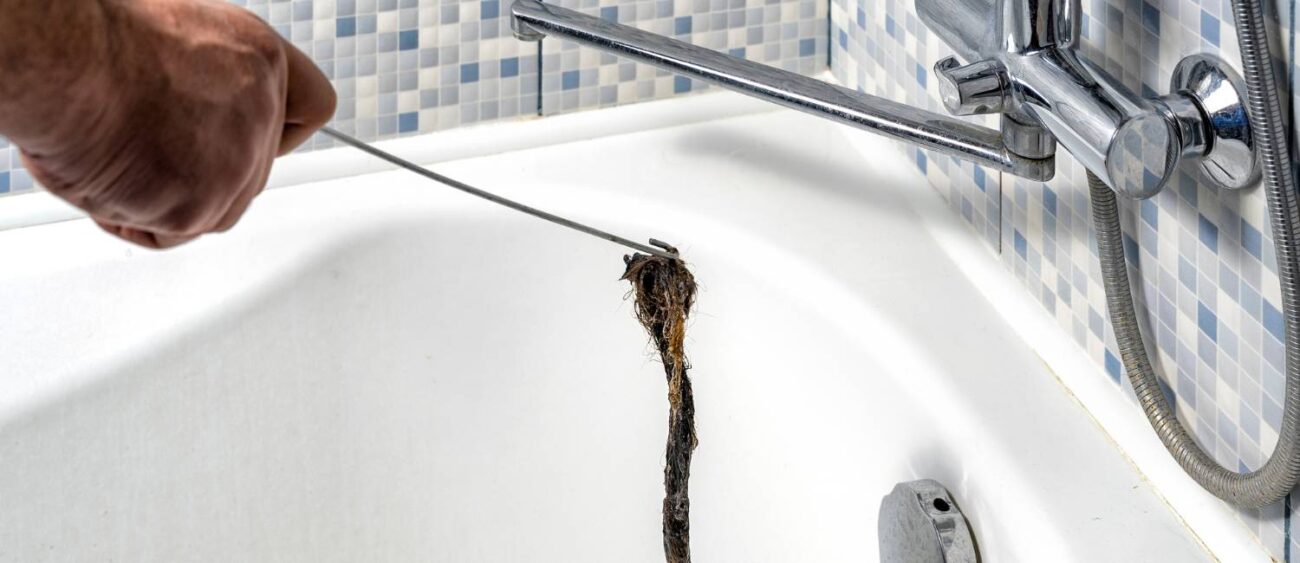
Dealing with a clogged bathtub drain can be both frustrating and inconvenient. It disrupts your daily routine and can lead to more severe plumbing issues if not addressed promptly. This comprehensive guide will walk you through expert tips and techniques to effectively unclog your bathtub drain, ensuring smooth drainage and preventing future blockages.
Understanding the Causes of Clogged Bathtub Drains
Before diving into solutions, it is essential to understand the common causes of bathtub drain clogs. Hair, soap scum, and other debris are the primary culprits. Over time, these substances accumulate in the pipes, restricting water flow. Recognizing these causes can help in adopting preventive measures.
Hair Accumulation
Hair is perhaps the most frequent cause of bathtub clogs. Strands of hair can easily slip down the drain and form tangled masses that catch other debris, creating a stubborn blockage.
Soap Scum and Product Residue
Soap scum is a residue that forms when soap combines with hard water. It clings to the sides of pipes, trapping hair and dirt, which leads to clogs. Additionally, products like bath oils and lotions can contribute to this build-up.
Foreign Objects
Sometimes, small objects such as shampoo bottle caps or children’s toys accidentally find their way into the drain, causing an obstruction.
Essential Tools and Materials
Before attempting to unclog your drain, gather the necessary tools and materials. Having the right equipment can make the process smoother and more efficient.
- Plunger
- Drain snake (also known as a plumber’s snake or auger)
- Vinegar and baking soda
- Rubber gloves
- Screwdriver
- Bucket
- Old toothbrush
Step-by-Step Guide to Unclogging Your Bathtub Drain
Remove the Drain Stopper
Your first step is to remove the drain stopper. This component can accumulate hair and debris, which might be the source of the blockage. To do this, unscrew or pop off the stopper, depending on its design. Clean it thoroughly before reinstallation.
Use a Plunger
A plunger is a simple yet effective tool for unclogging drains. Ensure there’s enough water in the tub to cover the plunger’s cup. Place the plunger over the drain and pump vigorously several times. This action can dislodge minor blockages.
Deploy a Drain Snake
If the plunger doesn’t work, a drain snake might be necessary. Insert the snake into the drain, turning the handle to push it further. Once you feel resistance, you’ve likely reached the clog. Twist and pull the snake to break up and remove the blockage.
Apply a Baking Soda and Vinegar Solution
If mechanical methods don’t succeed, try a natural solution of baking soda and vinegar. Pour a cup of baking soda into the drain, followed by a cup of vinegar. The chemical reaction helps break down organic material. Let it sit for 15-20 minutes before flushing with hot water.
Clear the P-Trap
If the clog persists, it may be located in the P-trap beneath the tub. Place a bucket under the trap to catch any water. Use a wrench to unscrew the trap and clear any debris. Rinse thoroughly before reattaching.
Preventing Future Clogs
Once your drain is clear, take steps to prevent future clogs. Regular maintenance and mindful habits can significantly reduce the likelihood of blockages.
Install a Drain Cover
A drain cover or hair catcher can be a simple yet effective solution. It catches hair and debris before they enter the drain, making cleanup easy.
Regular Cleaning
Incorporate a routine cleaning schedule. Pour boiling water down the drain weekly to dissolve soap scum and remove minor blockages. Additionally, a monthly application of baking soda and vinegar can help maintain clear pipes.
Mindful Product Use
Be cautious with the products you use in your bathtub. Opt for soaps and shampoos that produce less residue, and avoid pouring oils or greasy substances down the drain.
When to Call a Professional
While DIY methods are effective for most clogs, some situations require professional intervention. If you’ve tried all the above techniques without success, or if you notice persistent drainage issues, it might be time to call a plumber. They can diagnose and resolve complex plumbing problems, ensuring your bathtub functions smoothly.
Conclusion
Unclogging a bathtub drain doesn’t have to be a daunting task. By understanding the causes, using the right tools, and following a methodical approach, you can tackle most clogs efficiently. Remember, prevention is key. Regular maintenance and mindful habits can keep your drains clear and your plumbing in top condition. If all else fails, don’t hesitate to seek professional help. With these expert tips, you’ll be well-equipped to handle any bathtub clog with confidence.
