Plumbing issues are inevitable in any home or building, and when they occur, addressing them promptly is crucial to avoid further complications. However, understanding the costs associated with plumbing repairs can be daunting. This comprehensive guide aims to demystify plumbing repair costs by breaking down the various factors that influence these expenses, common repair types, and tips for managing costs effectively.
Factors Influencing Plumbing Repair Costs
1. Type of Repair
The nature of the plumbing problem significantly impacts the cost. Minor repairs, such as fixing a leaky faucet, will generally cost less than major issues like sewer line replacements. Understanding the complexity of the repair can provide insight into the expected expenses.
2. Hourly Rates of Plumbers
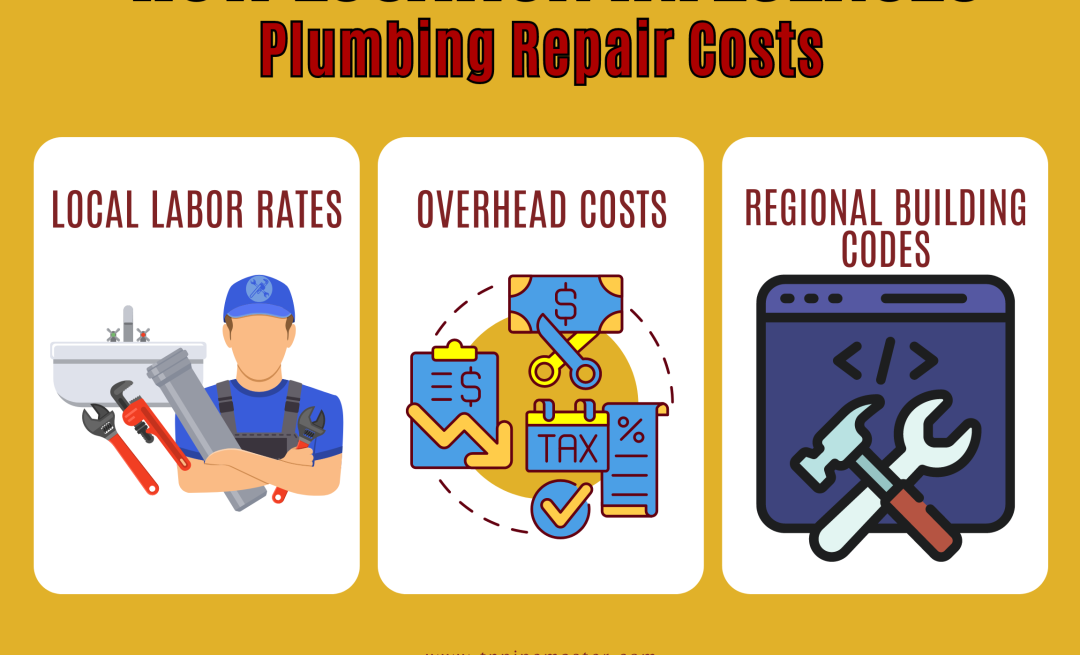
Plumbers typically charge by the hour, and their rates can vary based on experience, location, and the nature of the job. On average, plumbers charge between $45 and $200 per hour. Emergency calls or jobs requiring specialized skills may incur higher rates.
3. Materials and Parts
The cost of replacement parts and materials also plays a crucial role. High-quality materials or specialized parts can increase the overall cost. Additionally, some repairs might require specific tools or equipment that can add to the expense.
4. Location and Accessibility
The geographical location of the property and the accessibility of the plumbing system can influence costs. Urban areas often have higher labor rates compared to rural areas. Moreover, if the plumbing system is difficult to access, such as those buried underground or within walls, the labor costs may increase due to the additional effort required.
5. Time of Service
Emergency repairs or services required during evenings, weekends, or holidays can lead to increased costs due to after-hours or emergency service fees. Planning repairs during regular business hours can help manage costs.
Common Plumbing Repair Types and Their Costs
1. Leaky Faucets
Leaky faucets are a common issue and typically involve replacing worn-out washers or valves. The cost for repairing a leaky faucet ranges from $50 to $150, depending on the complexity and type of faucet.
2. Clogged Drains
Clogs can occur in sinks, showers, or toilets and may require snaking or hydro jetting to clear. The average cost for unclogging a drain ranges from $100 to $250, with severe clogs potentially costing more.
3. Water Heater Repairs
Issues with water heaters can vary from faulty thermostats to sediment build-up. Repairing a water heater can cost between $150 and $500, while replacing it could range from $1,000 to $3,500, depending on the type and size.
4. Pipe Leaks
Pipes can leak due to corrosion, freezing, or damage. Repairing a leaking pipe might cost between $150 and $350, but more extensive repairs, such as replacing a section of pipe, can increase the cost significantly.
5. Sewer Line Repairs
Sewer line issues are serious and may require extensive work, such as excavation or relining. The cost of repairing a sewer line can range from $1,000 to $4,000, but complete replacements may exceed $7,000.
Tips for Managing Plumbing Repair Costs
1. Regular Maintenance
Regular maintenance and inspections can help identify potential issues before they escalate into major problems, saving money in the long run. Consider scheduling annual plumbing check-ups to ensure everything is in working order.
2. Get Multiple Quotes
Before committing to a repair service, obtain multiple quotes from different plumbers. This allows you to compare costs and choose a service that offers the best value for your budget.
3. DIY Minor Repairs
For simple issues like a leaky faucet or minor clogs, consider doing the repairs yourself if you feel confident. This can save on labor costs, but ensure you have the necessary tools and knowledge to avoid exacerbating the problem.
4. Invest in Quality Materials
When repairs involve replacing parts, opt for high-quality materials that may have a higher upfront cost but provide durability and longevity, reducing the likelihood of future repairs.
5. Consider a Home Warranty
A home warranty can cover major systems and appliances, including plumbing, offering peace of mind and financial protection against unexpected repairs.
Conclusion
Understanding plumbing repair costs involves considering various factors such as the type of repair, hourly rates, materials, and location. By familiarizing yourself with common repair types and their costs, you can better prepare for potential expenses. Implementing cost-saving strategies like regular maintenance and obtaining multiple quotes can help manage and potentially reduce these costs. By taking a proactive approach, homeowners can effectively navigate plumbing repair challenges and maintain the integrity of their plumbing systems.
