Understanding Water Pressure: A Simple Homeowner’s Guide
Water pressure is a fundamental aspect of any household plumbing system. It dictates how well your showers work, how efficiently your washing machine operates, and even how your garden hose performs. Despite its importance, many homeowners may not fully understand water pressure and how it impacts their daily lives. This guide aims to demystify water pressure, offering practical insights and tips for managing it effectively in your home.
What is Water Pressure?
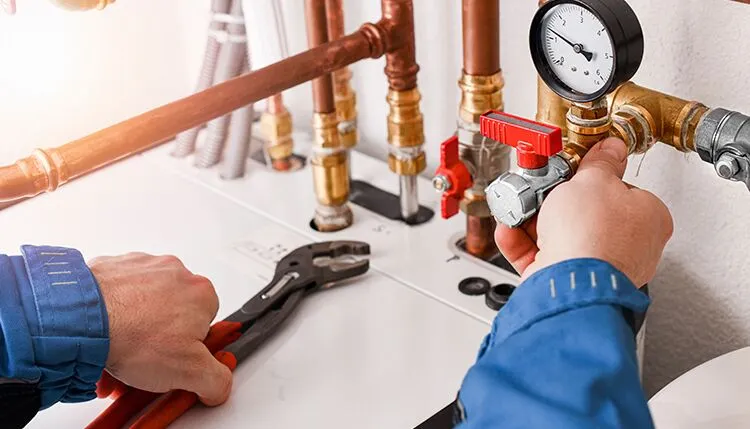
Water pressure refers to the force exerted by water as it flows through your plumbing system. It is typically measured in pounds per square inch (PSI) and determines the flow rate of water coming out of faucets and fixtures. The ideal water pressure for a residential home typically ranges between 40 to 60 PSI. Too low, and you may experience weak water flow; too high, and you could risk damage to your plumbing system and appliances.
Why Water Pressure Matters
Water pressure is crucial for several reasons:
1. Efficient Appliance Operation
Appliances like dishwashers, washing machines, and even water heaters rely on adequate water pressure to function correctly. Low pressure can lead to inefficient operation and longer cycle times, while high pressure can cause leaks and damage over time.
2. Comfortable Living Conditions
From taking a shower to filling up a bathtub, water pressure affects comfort and convenience. Low pressure can lead to unsatisfactory showers and longer wait times for filling fixtures.
3. Plumbing System Longevity
Consistently high water pressure can stress pipes, joints, and fixtures, leading to premature wear and tear. This increases the likelihood of leaks and the need for costly repairs or replacements.
Common Causes of Water Pressure Issues
Understanding the root causes of water pressure problems is crucial for effective troubleshooting. Here are some common factors that can influence water pressure:
1. Pipe Size and Condition
The diameter and condition of pipes in your home can significantly impact water pressure. Older homes with smaller or corroded pipes may experience reduced flow.
2. Water Supply Issues
Problems with the municipal water supply, such as maintenance work or issues at the water main, can affect pressure. Additionally, homes located at the end of a water line may experience lower pressure.
3. Pressure Regulating Valve (PRV)
A faulty or improperly adjusted PRV can lead to inconsistent water pressure. This valve is typically located where the main water line enters the home and helps maintain optimal pressure levels.
4. Leaks
Leaks in your plumbing system, no matter how small, can lead to a drop in water pressure. It is essential to regularly check for and repair leaks to maintain pressure.
How to Measure Water Pressure
Measuring water pressure is a relatively straightforward process that requires a simple tool called a water pressure gauge. Here’s how to do it:
Step 1: Purchase a Water Pressure Gauge
These gauges are available at most hardware stores and are relatively inexpensive.
Step 2: Locate a Suitable Faucet
Choose an outdoor hose bib or a laundry faucet, as these typically provide the most accurate readings.
Step 3: Attach the Gauge
Screw the gauge onto the faucet, ensuring a tight seal to avoid leaks.
Step 4: Turn on the Water
Fully open the faucet and observe the reading on the gauge. Ideally, it should be between 40 and 60 PSI.
Step 5: Adjust as Necessary
If the pressure is outside the ideal range, you may need to adjust your PRV or contact a professional plumber for assistance.
Troubleshooting Low Water Pressure
Low water pressure can be frustrating, but it is a problem that can often be resolved with a few simple steps:
1. Check for Leaks
Inspect your home for any visible leaks, paying special attention to areas around fixtures, appliances, and exposed pipes.
2. Clean Aerators and Showerheads
Mineral deposits can clog aerators and showerheads, reducing water flow. Regular cleaning or replacement can help maintain optimal pressure.
3. Inspect the PRV
Ensure the PRV is set correctly and functioning as it should. If necessary, adjust the setting or consult a professional for replacement.
4. Assess the Condition of Pipes
If your home has older plumbing, consider having a professional assess the condition of pipes and recommend upgrades if necessary.
Dealing with High Water Pressure
While less common, high water pressure can cause significant damage if not addressed promptly. Here are some steps to manage high water pressure:
1. Adjust the PRV
A simple adjustment to the PRV can often bring pressure back into the ideal range.
2. Install a Water Pressure Regulator
If your home does not have a PRV, consider installing one. This device helps maintain a consistent pressure level, protecting your plumbing system.
When to Call a Professional
While many water pressure issues can be resolved with DIY methods, there are times when professional intervention is necessary. Call a plumber if:
– You are unable to locate or fix leaks.
– The PRV is malfunctioning or needs replacement.
– You suspect there is a problem with the main water line.
Preventative Maintenance Tips
Maintaining optimal water pressure involves regular maintenance and vigilance. Here are some tips to help you keep your plumbing system in top condition:
1. Regular Inspections
Conduct regular inspections of your plumbing system to catch any potential issues early.
2. Annual Professional Check-Ups
Consider scheduling an annual check-up with a professional plumber to assess and maintain your system.
3. Monitor Pressure Levels
Periodically check your water pressure to ensure it remains within the ideal range.
Conclusion
Understanding water pressure is essential for maintaining a functional and efficient plumbing system in your home. By taking the time to measure, monitor, and adjust water pressure as needed, you can prevent common issues and ensure the longevity of your plumbing infrastructure. Whether you’re dealing with low pressure or facing the challenges of high pressure, the steps outlined in this guide provide a solid foundation for managing water pressure effectively. Remember, when in doubt, consulting with a professional is always a wise choice to protect your home and investment.
