Dealing with a clogged bathroom drain can be a frustrating ordeal. Whether it’s a slow drain or a complete blockage, it can disrupt your daily routine and lead to potential water damage if left untreated. Fortunately, with the right tools and techniques, you can tackle most clogs yourself. In this comprehensive guide, we’ll explore expert tips for unclogging your bathroom drain, ensuring a smooth flow and a hassle-free bathroom experience.
Understanding Common Causes of Bathroom Drain Clogs
Before diving into solutions, it’s essential to understand the common culprits behind bathroom drain clogs. Hair, soap scum, toothpaste, and other debris are often the main contributors. Over time, these materials accumulate and form blockages that restrict water flow. Identifying the cause of your clog can help you choose the most effective method for clearing it.
Hair Buildup
Hair is one of the most frequent offenders when it comes to drain blockages. As hair sheds during showers or grooming, it can easily get caught in the drain, combining with soap and other residues to form stubborn clogs.
Soap and Product Residue
Soap, shampoo, and other bathroom products can leave behind a residue that builds up over time. This sticky substance can attract and trap other debris, exacerbating clogs.
Foreign Objects
Small objects like jewelry, hairpins, or even toothpaste caps can accidentally fall into the drain, causing immediate blockages. It’s crucial to be mindful of what goes near your sink or shower drain.
Essential Tools for Unclogging Drains
Having the right tools on hand can make all the difference when it comes to tackling a clogged drain. Here are some essential tools every homeowner should consider having:
Plunger
A plunger is a staple in any home, and it’s highly effective for clearing minor clogs. Make sure you have a cup plunger specifically designed for sinks and other flat surfaces.
Drain Snake or Auger
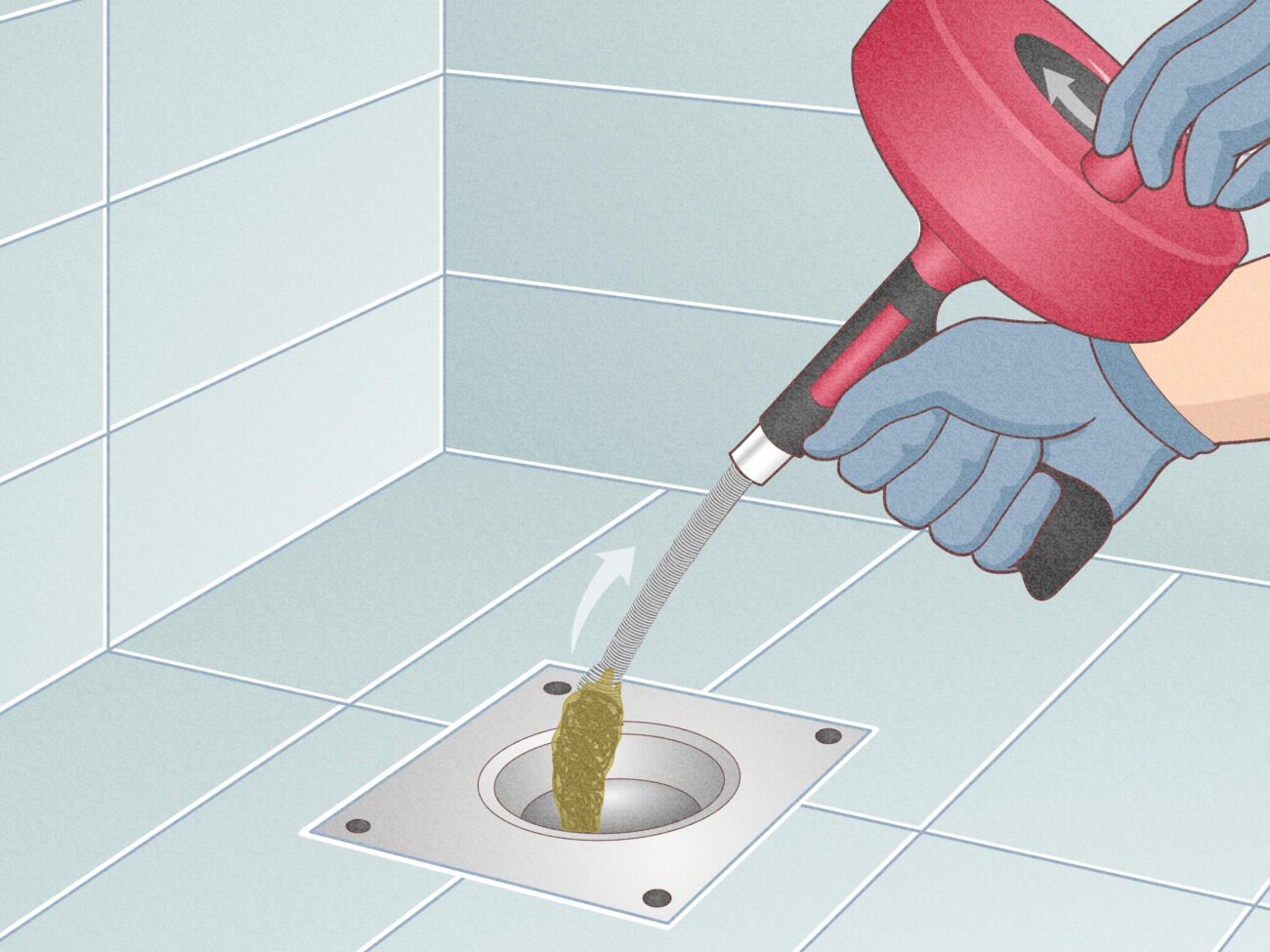
Drain snakes, also known as augers, are flexible tools that can reach deep into pipes to break up and remove clogs. They come in manual and powered varieties, offering various lengths and thicknesses to suit your needs.
Drain Cleaning Chemicals
While not always recommended due to potential pipe damage, chemical drain cleaners can be effective for dissolving certain types of clogs. Use them sparingly and according to the manufacturer’s instructions.
Plumber’s Wrench
A plumber’s wrench is invaluable for disassembling pipes to access deep clogs. It provides the necessary grip and leverage to loosen and tighten pipe fittings.
Expert Tips for Unclogging Your Bathroom Drain
Now that you’re equipped with the right tools, let’s explore some expert strategies for unclogging your bathroom drain.
Using a Plunger Effectively
Start by placing the plunger over the drain and ensuring a tight seal. Pump the plunger up and down vigorously for about 20 seconds. The suction and pressure should dislodge minor clogs and restore proper drainage.
Deploying a Drain Snake
Insert the drain snake into the drain and rotate it clockwise as you push it further in. Once you feel resistance, continue rotating to break up the clog. Slowly retract the snake, bringing the debris with it. Repeat as necessary until the drain is clear.
Creating a DIY Drain Cleaner
Combine baking soda and vinegar for a natural and effective drain cleaner. Pour half a cup of baking soda down the drain, followed by half a cup of vinegar. Cover the drain with a plug or cloth to contain the chemical reaction. After waiting 15 minutes, flush with hot water to clear any remaining debris.
Disassembling the P-Trap
If the clog persists, consider disassembling the P-trap, the curved section of pipe under the sink. Place a bucket beneath it to catch any water or debris. Use a plumber’s wrench to loosen the nuts and remove the trap. Clear out any obstructions and reassemble the trap securely.
Preventive Measures for Avoiding Future Clogs
Once you’ve successfully unclogged your drain, it’s crucial to implement preventive measures to avoid future issues.
Use Drain Guards
Install drain guards or strainers to catch hair and debris before they enter the pipes. Regularly clean these guards to ensure optimal performance.
Regular Maintenance
Perform regular maintenance by flushing your drains with hot water once a week. This simple practice can help dissolve soap scum and prevent buildup.
Avoid Excessive Product Use
Be mindful of the amount of soap, shampoo, and other products you use. Excessive amounts can contribute to residue buildup over time.
When to Call a Professional
While many clogs can be handled with DIY methods, some situations call for professional intervention. Consider calling a plumber if:
- The clog persists despite multiple attempts to clear it.
- You notice foul odors or strange noises coming from the drain.
- There’s water backup in multiple drains, indicating a larger plumbing issue.
Professional plumbers have the experience and tools to diagnose and fix complex plumbing problems, ensuring your bathroom functions smoothly.
Conclusion
Unclogging a bathroom drain doesn’t have to be a daunting task. With the right tools, techniques, and preventive measures, you can tackle most clogs efficiently. Remember to stay patient and persistent, and don’t hesitate to seek professional help if needed. By taking proactive steps to maintain your drains, you can enjoy a hassle-free bathroom experience and avoid future plumbing headaches.
#ChatGPT assisted in the creation of this article.
