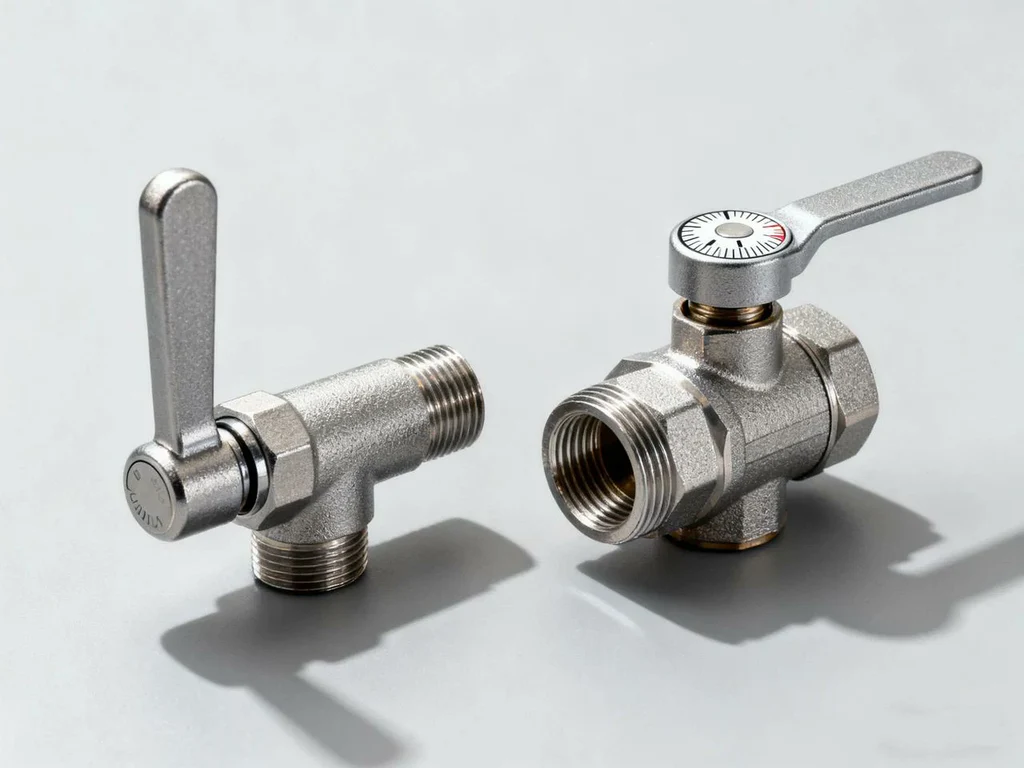
Plumbing systems are an integral part of any residential or commercial building, ensuring the efficient flow of water for various purposes. At the heart of these systems are plumbing valves, which control the flow and pressure of water. Understanding the basics of plumbing valves is crucial for both professional plumbers and DIY enthusiasts. This guide will take you through the different types of plumbing valves, their functions, and how to maintain them effectively.
Understanding Plumbing Valves
Plumbing valves are mechanical devices designed to regulate, direct, or control the flow of water by opening, closing, or partially obstructing various passageways. They are essential for isolating sections of a plumbing system, controlling the flow rate, and preventing backflow.
Types of Plumbing Valves
There are several types of plumbing valves, each serving a specific purpose. Here are some of the most common ones:
1. Gate Valves
Gate valves are typically used to completely shut off the flow of water or allow it to flow freely. They are not ideal for flow regulation as they are designed to be either fully open or fully closed. Turning the wheel handle raises or lowers a metal gate within the valve body to control the flow.
2. Ball Valves
Ball valves are known for their durability and reliability. They use a rotating ball with a hole through it to control the flow. When the handle is turned 90 degrees, the hole aligns with the pipe, allowing water to flow through. Ball valves are excellent for quick shut-off applications.
3. Globe Valves
Globe valves are used for regulating flow in a pipeline. They have a spherical body and a movable disk-type element that seals against a ring seat. This design allows for precise flow control, making them ideal for situations where throttling is necessary.
4. Check Valves
Check valves are designed to allow water flow in one direction only, preventing backflow. They are commonly used in systems where backflow could cause contamination or damage. The two main types of check valves are swing check valves and spring-loaded check valves.
5. Pressure Reducing Valves (PRVs)
PRVs are used to reduce and stabilize water pressure in a plumbing system. They help prevent damage to pipes and fixtures due to excessive pressure. These valves automatically adjust to maintain a set pressure level downstream.
6. Angle Valves
Angle valves, also known as stop valves, are commonly used under sinks and toilets. They allow for easy isolation of fixtures for repair or replacement without shutting off the main water supply. These valves typically have a 90-degree angle in their design.
Materials Used in Plumbing Valves
Plumbing valves are made from various materials, each with its advantages and disadvantages.
Brass
Brass is a popular choice for plumbing valves due to its durability and corrosion resistance. It is suitable for both hot and cold water applications and offers a long service life.
Stainless Steel
Stainless steel valves are highly resistant to corrosion and are suitable for harsh environments. They are often used in industrial and commercial applications where durability is paramount.
Plastic
Plastic valves, such as PVC (polyvinyl chloride) and CPVC (chlorinated polyvinyl chloride), are lightweight and resistant to corrosion. They are commonly used in residential applications for cold water systems.
Functions of Plumbing Valves
Valves serve several critical functions in a plumbing system:
Flow Control
Valves regulate the flow of water, allowing for precise control over the amount and direction of flow. This is essential for maintaining system efficiency and preventing wastage.
Pressure Regulation
Valves like PRVs help maintain consistent water pressure throughout the system, protecting pipes and fixtures from damage caused by excessive pressure.
Isolation
Valves allow for the isolation of specific sections of a plumbing system for maintenance or repair without disrupting the entire system.
Backflow Prevention
Check valves prevent the reverse flow of water, ensuring that contaminants or pollutants do not enter the clean water supply.
Installation and Maintenance Tips
Proper installation and maintenance of plumbing valves are crucial for ensuring their longevity and functionality.
Installation
When installing a valve, ensure it is suitable for the specific application and compatible with the pipe material. Follow these steps:
– Turn off the water supply before installation.
– Ensure the valve is installed in the correct orientation, especially for directional valves like check valves.
– Use appropriate pipe sealing methods, such as Teflon tape or pipe dope, to prevent leaks.
– Tighten the connections securely, but avoid over-tightening, which can damage the valve or pipe.
Maintenance
Regular maintenance can extend the life of plumbing valves:
– Periodically inspect valves for signs of wear, corrosion, or leaks.
– Operate valves periodically to prevent them from seizing.
– Clean sediment buildup from the valve seat and other components to maintain optimal performance.
– Replace worn or damaged seals and gaskets promptly.
Common Problems and Troubleshooting
Even with proper maintenance, plumbing valves can experience issues. Here are some common problems and troubleshooting tips:
Leaking Valves
If a valve is leaking, check for loose connections or damaged seals. Tighten connections and replace seals if necessary.
Stuck Valves
Valves that are difficult to operate may be seized due to mineral deposits or corrosion. Try gently tapping the valve with a rubber mallet or using a penetrating lubricant to free it.
Water Hammer
Water hammer is a loud banging noise caused by a sudden stop in water flow. It can be mitigated by installing water hammer arrestors or adjusting valve settings to reduce sudden pressure changes.
Conclusion
Understanding the basics of plumbing valves is essential for maintaining a functional and efficient plumbing system. By familiarizing yourself with the different types of valves, their functions, and how to install and maintain them, you can ensure a reliable water supply and prevent costly repairs. Whether you’re a professional plumber or a DIY enthusiast, this guide serves as a valuable resource for mastering plumbing valve basics.
